Supreme Court Summons Additional Accused Under Section 319 CrPC; Holds Dying Declarations and Child Witness Testimony Provide Strong Prima Facie Material
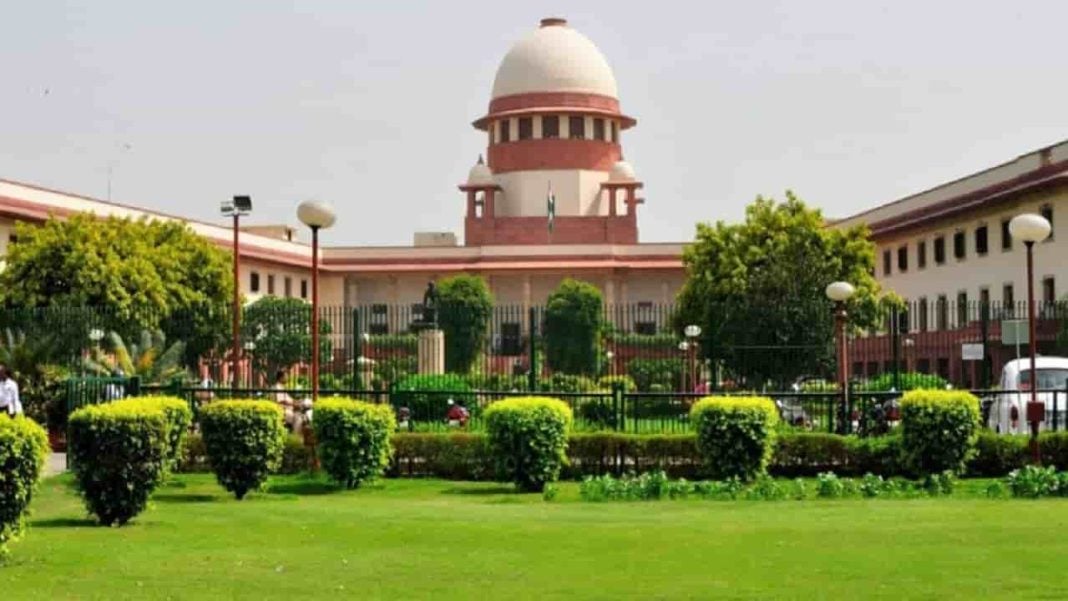
Case Name: Neeraj Kumar @ Neeraj Yadav v. State of U.P. & Others
Citation: 2025 INSC 1386
Date of Judgment/Order: 04 December 2025
Bench: Sanjay Karol, J.; Nongmeikapam Kotiswar Singh, J.
Held: The Supreme Court held that the Trial Court and High Court erred in refusing to summon the deceased’s in-laws as additional accused under Section 319 CrPC. The Court ruled that the combined effect of (i) the brother’s deposition, (ii) the minor child’s eyewitness account, and (iii) two statements of the deceased recorded under Section 161 CrPC—admissible as dying declarations under Section 32(1) of the Evidence Act—constituted strong and cogent prima facie material necessitating their summoning. The Court clarified that inconsistencies, absence of medical certification, or lack of a Magistrate during recording do not negate the admissibility of dying declarations. The High Court erred by conducting a mini-trial and discrediting the child witness on the basis of cross-examination at this preliminary stage.
Summary: The appellant’s sister was shot by her husband and later died. Her minor daughter (PW-2) testified that the shooting occurred at the instigation of the grandmother, uncle, and brother-in-law, who also provided the weapon. The appellant (PW-1) corroborated this narrative and had named all respondents in his contemporaneous representation. Two video-recorded statements of the deceased under Section 161 CrPC detailed harassment, pressure for sex determination, threats to kill her, and repeated instigation by in-laws. The Trial Court declined to summon them, finding the material insufficient; the High Court affirmed, holding that the deceased’s statements could not be treated as dying declarations due to the time gap before death. The Supreme Court rejected these conclusions, explaining that Section 32(1) imposes no requirement of imminent death and that all statements relating to the cause or circumstances of death are admissible. It held that at the Section 319 stage, courts cannot weigh evidence like at trial and must summon persons when prima facie involvement emerges. The material placed on record met the elevated threshold laid down in Hardeep Singh, Omi, Ispahani, and Shiv Baran.
Decision: The Supreme Court allowed the appeal, set aside the High Court’s judgment, and directed that the in-laws of the deceased be summoned as additional accused under Section 319 CrPC to face trial along with the principal accused. The Court clarified that all observations were confined to adjudicating the Section 319 application and shall not influence the merits of the trial. The parties were directed to appear before the Trial Court on 8 January 2026, and the trial was ordered to be expedited. All pending applications stood disposed of.