Supreme Court Holds Criminal Revision Does Not Abate on Death of Informant; Victim or Legal Heir May Assist Court in Exercise of Revisional Jurisdiction
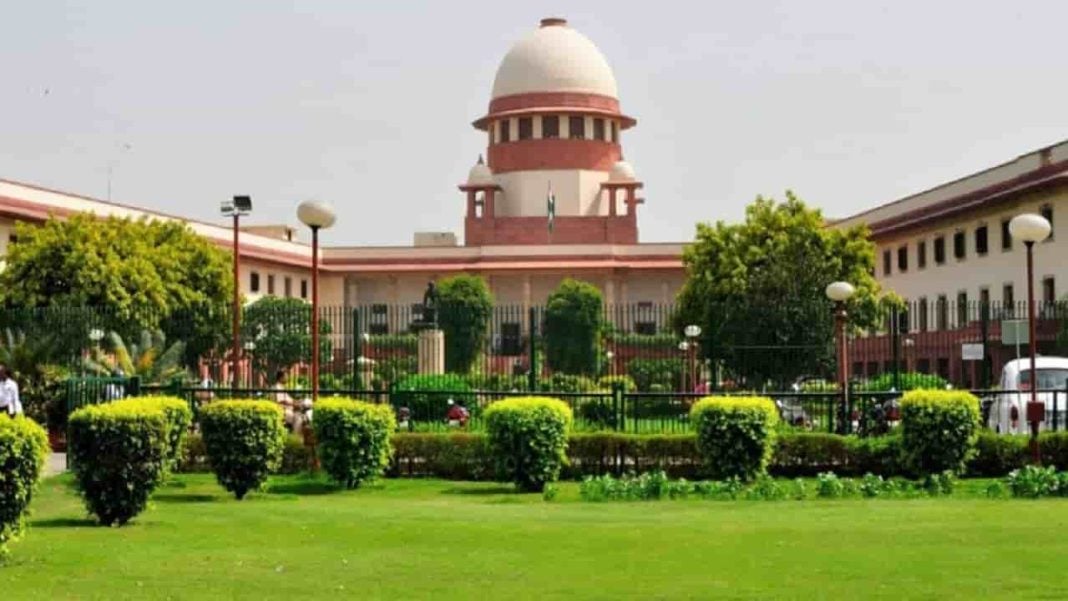
Case Name: Syed Shahnawaz Ali v. State of Madhya Pradesh & Others
Citation: 2025 INSC 1484
Date of Judgment/Order: 19 December 2025
Bench: Sanjay Karol, J.; Manoj Misra, J.
Held: The Supreme Court held that criminal revision proceedings under Sections 397 and 401 CrPC do not abate on the death of the revisionist, particularly when the revision is filed by an informant or victim and the underlying criminal trial against the accused continues. The Court ruled that revisional jurisdiction is discretionary, may be exercised suo motu, and is aimed at supervising the administration of criminal justice rather than enforcing a personal right of the revisionist. Consequently, the High Court erred in dismissing the revision as abated and in refusing to permit the deceased informant’s son, who qualified as a “victim” under Section 2(wa) CrPC, to assist the Court in the revisional proceedings.
Summary: The appellant’s father had filed a criminal revision before the Madhya Pradesh High Court challenging the discharge of the accused from several serious IPC offences, leaving the trial to proceed only for cheating under Section 420 IPC. During pendency of the revision, the informant died, after which the appellant sought permission to continue or assist in the revision proceedings. The High Court dismissed the revision as abated, holding that there was no provision for substitution in criminal revisions, and rejected the appellant’s application under Section 528 BNSS. The Supreme Court examined the concept of abatement, the nature of revisional jurisdiction, and Constitution Bench authority in Praban Kumar Mitra, along with later decisions on locus in revision proceedings. It held that unlike appeals governed by Section 394 CrPC, criminal revisions are not subject to statutory abatement and that once a revision is entertained, the High Court has discretion to decide it on merits irrespective of the death of the revisionist. The Court further held that victims or legal heirs falling within Section 2(wa) CrPC may be permitted to assist the Court to prevent abuse of revisional jurisdiction and to further the cause of justice.
Decision: The Supreme Court allowed the appeals, set aside the High Court’s orders dated 21 February 2024 and 31 August 2024, and restored Criminal Revision No. 1986 of 2020 to the file of the High Court. It granted liberty to the appellant to assist the revisional court in the capacity of a victim of the crime and directed the High Court to decide the revision expeditiously on merits, clarifying that no opinion was expressed on the correctness of the discharge order. Pending applications were disposed of.