Supreme Court Upholds Constitutional Validity of Section 17A of the Prevention of Corruption Act While Mandating a Balanced Approach Between Honest Decision-Making and Anti-Corruption Enforcement
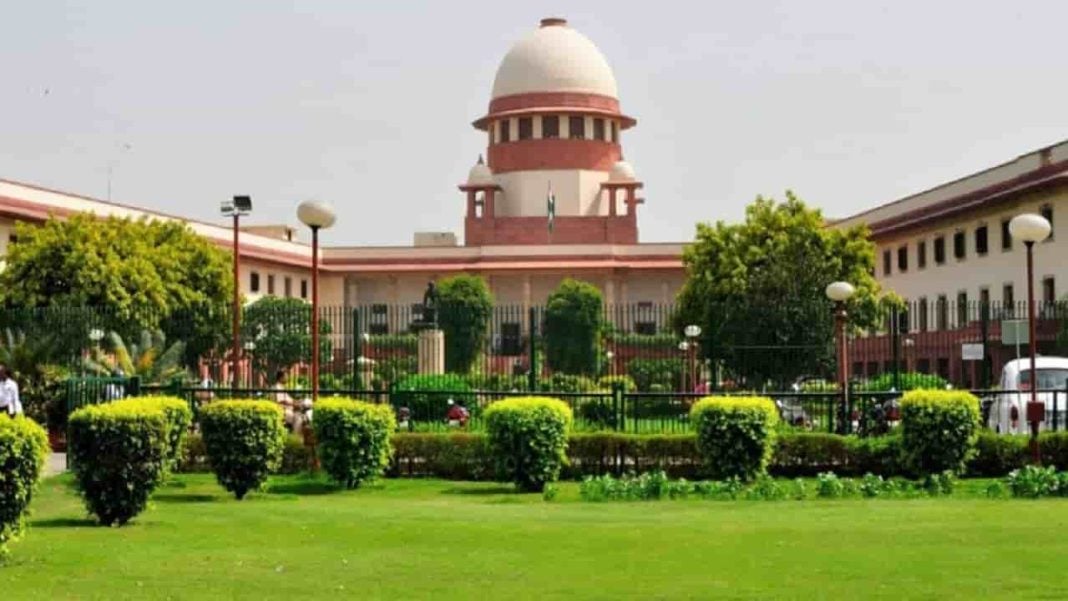
Case Name: Centre for Public Interest Litigation v. Union of India
Citation: 2026 INSC 55
Date of Judgment/Order: 13 January 2026
Bench: Justice K.V. Viswanathan, B.V. Nagarathna
Held: The Supreme Court held that Section 17A of the Prevention of Corruption Act, 1988, which requires prior approval before initiating enquiry, inquiry or investigation against a public servant for acts relatable to recommendations made or decisions taken in discharge of official duties, is constitutionally valid, as it does not violate Articles 14 or 21 of the Constitution and represents a permissible legislative balance between protecting honest decision-making and enabling anti-corruption enforcement.
Summary: The writ petition challenged the constitutional validity of Section 17A, inserted by the Prevention of Corruption (Amendment) Act, 2018, on the ground that it reintroduced an impermissible prior approval regime earlier struck down in Vineet Narain and Subramanian Swamy, allegedly shielding corrupt public servants and impeding independent investigation. The Supreme Court undertook an exhaustive analysis of the legislative history, including the erstwhile Single Directive, Section 6A of the DSPE Act, Law Commission and Rajya Sabha Select Committee recommendations, and the qualitative differences between Section 6A and Section 17A. The Court emphasised the necessity of protecting honest and fearless administrative decision-making, recognised the chilling effect of frivolous complaints, and examined the Standard Operating Procedure governing approvals. While acknowledging concerns of potential abuse, the Court held that mere possibility of misuse cannot invalidate a statute and that judicial review remains available to check arbitrary exercise of power.
Decision: The writ petition was dismissed, Section 17A of the Prevention of Corruption Act, 1988 was upheld as constitutionally valid, and the Court clarified that the provision must be applied in a manner that does not foreclose legitimate investigation into corruption, while protecting bona fide official decision-making, with consequential observations and directions issued and all pending applications disposed of.