Section 175(4) BNSS Is Not Standalone: Magistrate Must Follow Affidavit Requirement and Special Safeguards Before Ordering Probe Against Public Servant
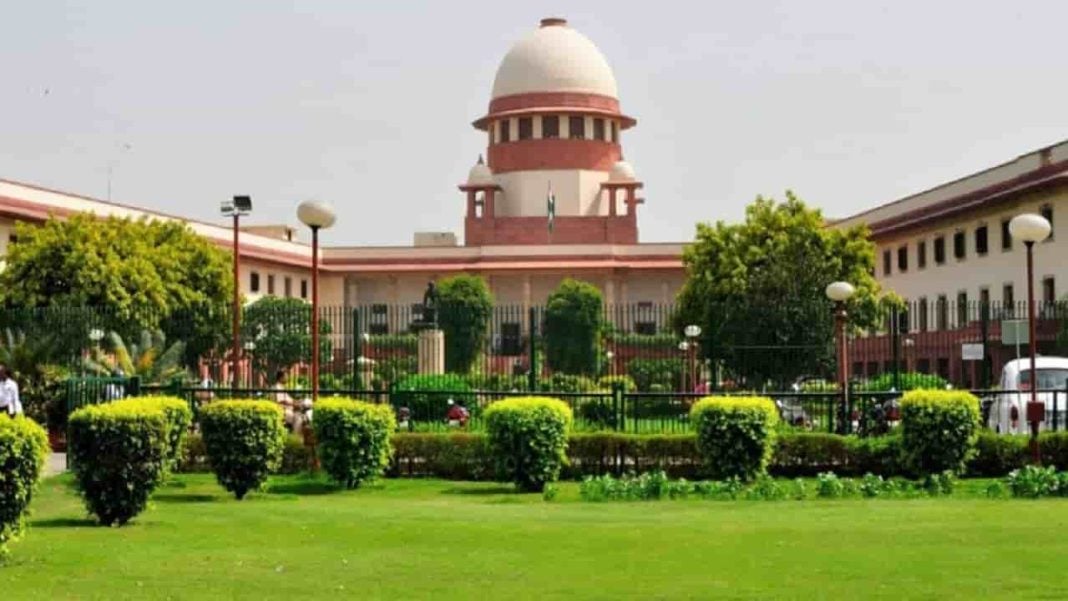
Case Name: XXX v. State of Kerala & Ors.
Citation: 2026 INSC 88
Date of Judgment/Order: 27 January 2026
Bench: Justice Dipankar Datta, and Justice Manmohan
Held: The Supreme Court held that Section 175(4) of the BNSS is neither a standalone provision nor a proviso to Section 175(3), but must be read harmoniously with it. A Magistrate empowered under Section 210 may order investigation against a public servant for acts allegedly committed in discharge of official duties only after compliance with both the affidavit requirement traceable to Section 175(3) and the additional safeguards under Section 175(4), namely obtaining a report from the superior officer and considering the public servant’s version. The expression “complaint” in Section 175(4) must be purposively construed as a written complaint supported by affidavit, and not an oral allegation.
Summary: The appellant alleged sexual assault by police officers and, after non-registration of FIR, approached the Judicial Magistrate under Section 210 read with Section 173(4) BNSS seeking direction for registration of FIR. The Magistrate invoked Section 175(4) BNSS and called for a superior officer’s report. The High Court Single Judge held that compliance with Section 175(4) was not mandatory as rape could not be considered an act in discharge of official duty and directed registration of FIR. The Division Bench reversed, holding that Article 226 jurisdiction was improperly invoked during pendency of the Magistrate’s proceedings. Before the Supreme Court, important questions arose regarding the interplay between Sections 173 and 175 BNSS, the scope of Section 175(4), and whether it operated independently. The Court examined Lalita Kumari, Priyanka Srivastava, Anil Kumar, Manju Surana, and the legislative history including Parliamentary Committee recommendations. It rejected the view that Section 175(4) is a standalone provision and held that allowing oral complaints without affidavit would dilute safeguards evolved to prevent vexatious proceedings. The Court emphasized that BNSS creates a two-tier protection for public servants: at the threshold stage under Section 175(4) and at the cognizance stage under Section 218.
Decision: The Supreme Court clarified the correct interpretation of Section 175(3) and (4) BNSS, upheld the harmonious construction requiring affidavit support and procedural safeguards before ordering investigation against a public servant, and proceeded to examine the jurisdictional issues arising from the High Court’s interference. The appeal was disposed of in terms of the conclusions recorded, with guidance issued for Magistrates dealing with complaints under Section 175(4) BNSS.