Supreme Court Holds Forgery Charge in Disciplinary Proceedings Must Be Proved with Credible Evidence — Reinstates Court Attender
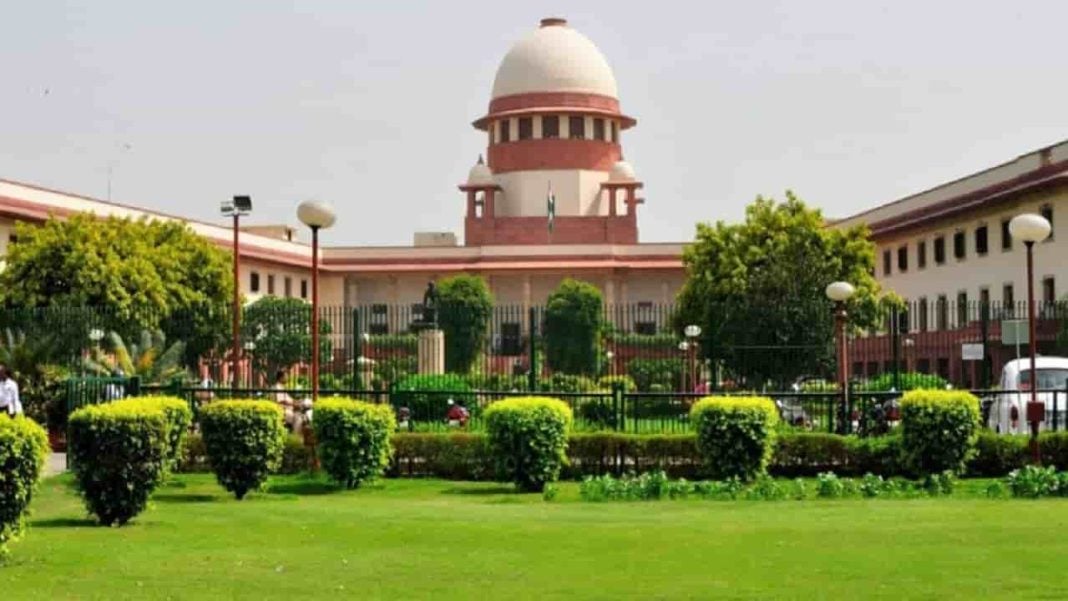
Case Name: K. Rajaiah v. The High Court for the State of Telangana
Citation: 2026 INSC 142; Civil Appeal No. 1560 of 2026 (@ SLP (C) No. 11965 of 2024)
Date of Judgment/Order: 11 February 2026
Bench: Hon’ble Mr. Justice K. V. Viswanathan and Hon’ble Mr. Justice Vipul M. Pancholi
Held: The Supreme Court held that a grave charge of fabrication and forgery in disciplinary proceedings must be proved by credible and reliable evidence, and where the finding is based on conjecture, without proper verification of disputed signatures or expert examination, such finding is perverse and unsustainable in judicial review; when allegations involve serious civil consequences like dismissal from service, greater caution and circumspection are required, and absence of conclusive proof renders the punishment illegal.
Summary: The appellant, a court attender appointed in 1998, was dismissed from service on the allegation that he fabricated a medical certificate to justify his absence from 03.08.2017 to 07.08.2017. Although he had consulted the concerned doctor and received treatment, the disciplinary authority concluded that the medical certificate was fabricated based primarily on the doctor’s statement that he had not issued it. The Inquiry Officer did not compare the disputed and admitted signatures nor refer the matter to a handwriting expert, despite the certificate being fully handwritten and the rubber stamp and letterhead being admitted as genuine. The Supreme Court examined the evidence in detail, including the deposition of the doctor, the acknowledgment signatures, and the surrounding circumstances, and found material inconsistencies. The Court reiterated that although judicial review in disciplinary matters is limited, interference is warranted where findings are perverse or unsupported by evidence. It emphasised that in cases involving allegations of forgery—where rules mandate dismissal upon proof—authorities must exercise heightened caution and ensure proper verification before recording guilt. The Court held that the conclusion of fabrication was not supported by credible evidence and amounted to a perverse finding.
Decision: The Supreme Court allowed the appeal, set aside the High Court’s judgment dated 12.02.2024, quashed the dismissal order dated 13.11.2018 and the appellate order dated 08.01.2021, directed reinstatement of the appellant forthwith with all consequential benefits including arrears of salary and emoluments, ordered implementation within three weeks, made no order as to costs, and disposed of the appeal accordingly.