Upper cap on disability unconstitutional: Supreme Court holds exclusion of candidates with higher disability violates equality and RPwD Act
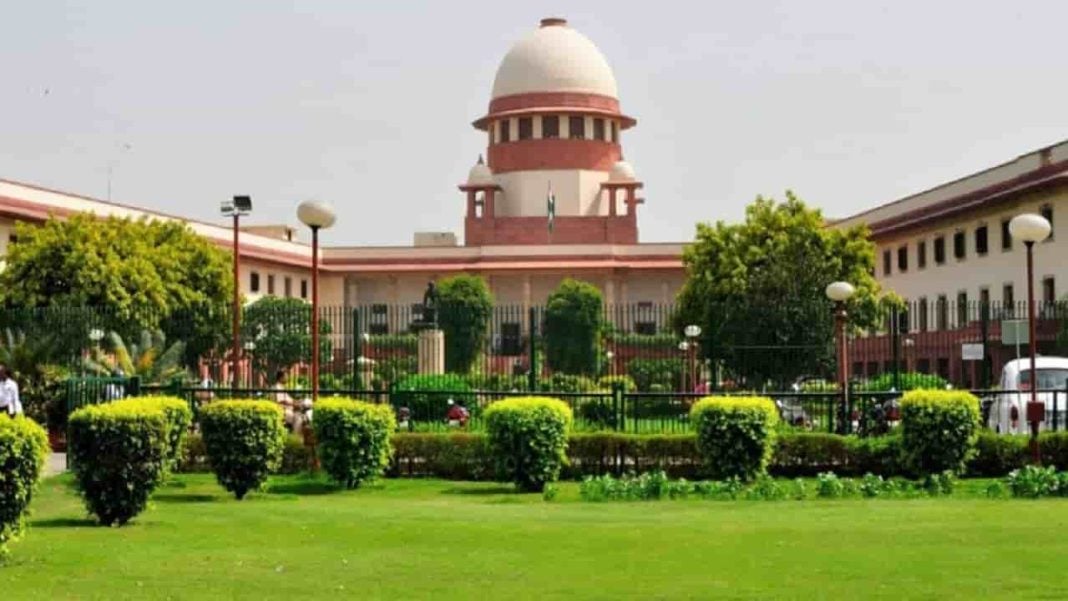
Case Name: Prabhu Kumar v. State of Himachal Pradesh & Ors.
Citation: 2026 INSC 253
Date of Judgment/Order: 11 March 2026
Bench: Justice Vikram Nath and Justice Sandeep Mehta
Held: The Supreme Court held that prescribing an upper limit of disability for reservation under the Rights of Persons with Disabilities Act, 2016 is unconstitutional, arbitrary, and violative of Articles 14 and 16, as the statute provides only a minimum threshold and does not permit exclusion based on higher disability. It was further held that suitability for public employment must be assessed on functional capability and reasonable accommodation, and not merely on the percentage of disability.
Summary: The appellant, a practising advocate with 90% locomotor disability, was selected and recommended for appointment to the post of Assistant District Attorney under the reserved category but was denied appointment on the ground that the recruitment advertisement prescribed an upper limit of 60% disability. The High Court upheld this exclusion. The Supreme Court examined the scheme of the Rights of Persons with Disabilities Act, 2016, particularly the concept of “benchmark disability”, and held that the statute creates only a minimum eligibility threshold of 40% and does not contemplate any upper ceiling. The Court found that the prescription of a maximum limit amounted to rewriting the statutory framework and unjustifiably excluding eligible candidates.
The Court relied on the principle of reasonable accommodation and clarified that disability percentage cannot be determinative of suitability. It observed that the appellant had successfully cleared the selection process and had demonstrated professional competence despite his disability. The Court further noted that the impugned restriction had no rational nexus with the duties of the post and was imposed without any expert consultation or objective assessment. The earlier precedent permitting such caps was held inapplicable in light of subsequent jurisprudence emphasizing inclusion and accommodation. The Court emphasized that exclusion based on arbitrary disability limits perpetuates discrimination and defeats the purpose of the RPwD Act, which seeks to ensure full participation and equality for persons with disabilities.
Decision: The Supreme Court allowed the appeal, set aside the judgment of the High Court, directed the State to issue appointment to the appellant within two weeks (or create a supernumerary post if necessary), granted notional benefits from the date when others were appointed, imposed costs of INR 5,00,000 on the State, and disposed of all pending applications accordingly.