AFGIS is ‘State’ under Article 12: Supreme Court holds deep and pervasive control makes welfare society amenable to writ jurisdiction
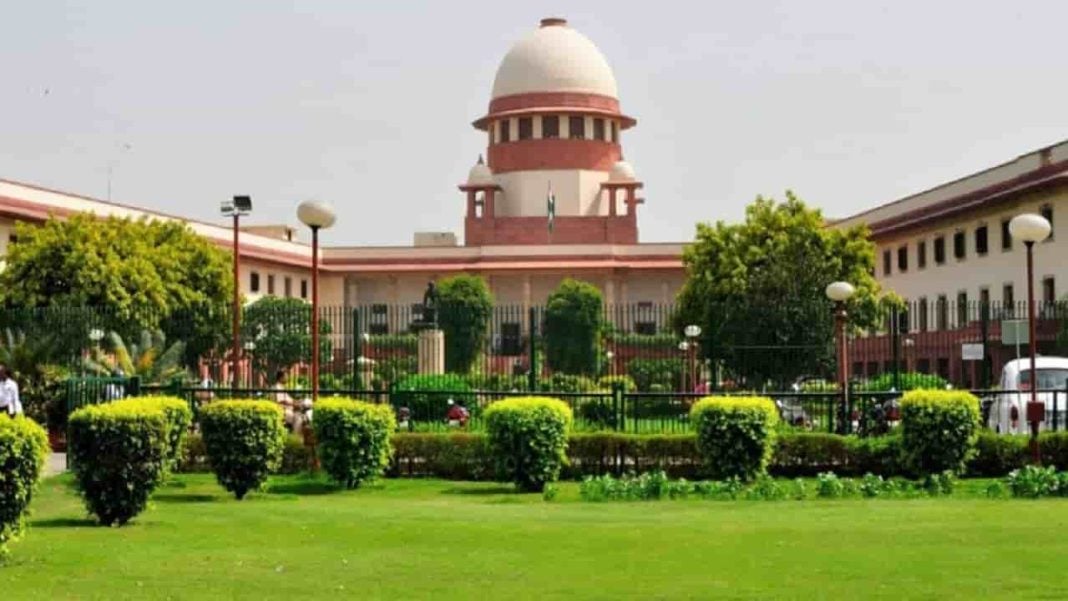
Case Name: Ravi Khokhar & Ors. v. Union of India & Ors.
Citation: 2026 INSC 233
Date of Judgment/Order: 12 March 2026
Bench: Justice Sanjay Karol and Justice Vipul M. Pancholi
Held: The Supreme Court held that the Air Force Group Insurance Society (AFGIS) qualifies as “State” under Article 12 of the Constitution, as it is subject to deep and pervasive administrative control of the Government and performs a public function related to the welfare of armed forces personnel. The Court held that the cumulative effect of compulsory membership, administration by serving Air Force officers, governmental sanction, and public duty brings the body within the ambit of Article 12, making it amenable to writ jurisdiction.
Summary: The appellants, employees of AFGIS, challenged the denial of pay parity with Central Government employees after the Society delinked its pay structure from Pay Commission recommendations. The Delhi High Court dismissed the writ petitions holding that AFGIS was not “State” under Article 12 and therefore not amenable to writ jurisdiction. Before the Supreme Court, the appellants argued that AFGIS was functionally, administratively, and structurally controlled by the Government, with compulsory membership for Air Force personnel and direct involvement of serving officers in governance. The respondents contended that AFGIS was a self-financed, autonomous society without governmental funding or control.
The Supreme Court undertook a detailed analysis of the jurisprudence on Article 12, including the tests laid down in Ajay Hasia, Pradeep Kumar Biswas, and other precedents, emphasizing that the determination depends on cumulative factors such as financial, functional, and administrative control. Applying these principles, the Court found that AFGIS was established with Presidential sanction, its Board of Trustees and management consisted entirely of serving Air Force officers, and its functioning was closely monitored by senior Air Force authorities. The Court also noted that membership and financial contributions were compulsory and directly linked to service conditions, and that the Society performed a vital public function by providing insurance and welfare to armed forces personnel. It further observed that AFGIS itself had previously claimed governmental status in official communications, undermining its contention of autonomy. On this basis, the Court concluded that the degree of governmental control and the nature of its functions satisfied the test of “State” under Article 12.
Decision: The Supreme Court allowed the appeal, set aside the judgment of the Delhi High Court, held that AFGIS is “State” under Article 12 and that the writ petitions are maintainable, restored the matters to the High Court for adjudication on merits, directed expeditious disposal, and disposed of all pending applications accordingly.