Conversion to Christianity extinguishes SC status: Supreme Court upholds quashing of SC/ST Act case for lack of caste status
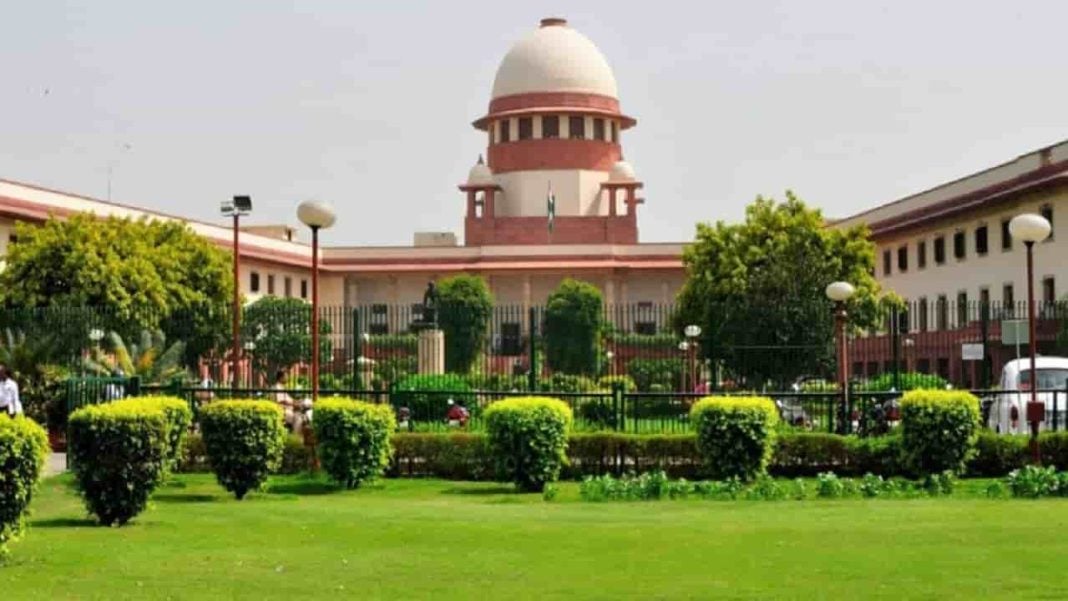
Case Name: Chinthada Anand v. State of Andhra Pradesh & Ors.
Citation: 2026 INSC 283
Date of Judgment/Order: 24 March 2026
Bench: Justice Prashant Kumar Mishra and Justice Manmohan
Held: The Supreme Court held that a person who professes Christianity cannot claim Scheduled Caste status under Clause 3 of the Constitution (Scheduled Castes) Order, 1950, and consequently cannot invoke protections under the SC/ST (Prevention of Atrocities) Act, 1989. It was further held that caste status is contingent not merely on birth but on continued professing of a religion recognized under the Presidential Order, and that conversion to a non-recognized religion results in immediate loss of SC status unless valid reconversion and community acceptance are proved.
Summary: The appellant, originally belonging to the Madiga Scheduled Caste, had converted to Christianity and was functioning as a Pastor for over a decade. He alleged caste-based assault, abuse, and intimidation by the accused and initiated proceedings under the SC/ST Act along with IPC offences. The High Court quashed the proceedings, holding that the appellant, being a practising Christian, could not claim SC status.
The Supreme Court undertook an extensive constitutional and statutory analysis of Articles 341–342, the Constitution (Scheduled Castes) Order, 1950, and the meaning of “professes” religion. It reiterated that SC status is restricted to persons professing Hinduism, Sikhism, or Buddhism, and that public profession and practice of another religion, such as Christianity, disentitles a person from claiming SC benefits. The Court rejected reliance on State Government Orders extending non-statutory benefits, holding that such executive orders cannot override constitutional provisions or statutory entitlements. It further clarified that caste certificates must conform to constitutional requirements and cannot confer status contrary to law.
On facts, the Court found that the appellant had openly professed Christianity and had not reconverted or been accepted back into the caste community, thereby losing SC status. Consequently, the SC/ST Act was held inapplicable. The Court also examined IPC allegations and found no sufficient material to establish offences of wrongful restraint, hurt, or criminal intimidation, as the allegations lacked corroboration and foundational evidence.
Decision: The Supreme Court dismissed the appeal, upheld the High Court’s quashing of proceedings under the SC/ST Act and IPC provisions, held that the appellant was not entitled to protection under the SC/ST Act due to loss of caste status upon conversion, and confirmed that continuation of proceedings would amount to abuse of process, with all pending applications disposed of accordingly.