Withholding Salary Violates Articles 21 & 23: Punjab & Haryana HC Directs CONFED to Pay Arrears with Interest and ₹2 Lakh Costs
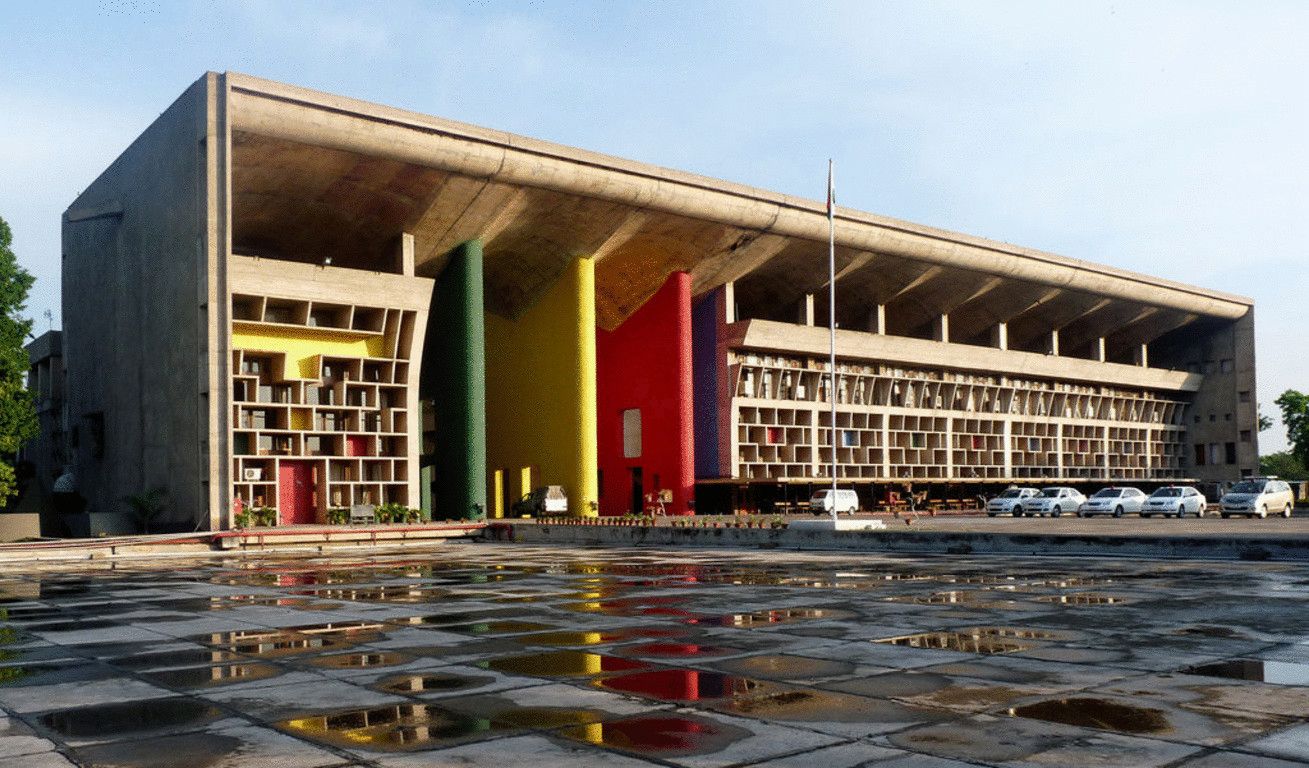
Case Name: Duni Chand v. State of Haryana & Ors.
Date of Judgment: May 01, 2026
Citation: CWP No. 5074 of 2026
Bench: Justice Harpreet Singh Brar
Held: The High Court held that non-payment of salary for work duly performed violates Articles 21 and 23 of the Constitution. CONFED, being the principal employer, was held liable to pay arrears with interest and costs.
Summary: The petitioner, appointed as a Salesman under the Haryana State Federation of Consumer Co-operative Wholesale Stores Limited (CONFED), sought release of unpaid salary for the period from October 1989 to July 1996. Despite rendering services, he was not paid salary for nearly seven years and was later relieved from service without a formal termination order.
The petitioner had previously approached the Court multiple times and even secured favourable orders directing payment, but the respondents failed to comply, citing lack of funds and denial of employer liability. The respondent-Federation contended that the petitioner was an employee of the Central Cooperative Store, Mandi Dabwali, which had gone into liquidation, and thus CONFED bore no liability.
The Court examined the employment relationship and found that the petitioner was appointed by CONFED, governed by its service rules, and merely posted to cooperative stores. Such posting was held to be in the nature of deputation, and the employer-employee relationship with CONFED continued uninterrupted.
Rejecting the respondent’s defence based on amended service rules, the Court held that CONFED remained the principal employer and could not evade liability. The Court emphasized that deputation does not sever the lien of an employee with the parent organization.
On the constitutional aspect, the Court held that the right to livelihood is an integral part of Article 21. Denial of salary for services rendered amounts to exploitation and violates fundamental rights. It further held that extracting work without payment amounts to forced labour prohibited under Article 23.
The Court strongly deprecated the conduct of the State authority in forcing the petitioner to litigate repeatedly for decades, terming it a gross violation of dignity and administrative fairness.
Decision: The writ petition was allowed. The High Court quashed the order denying liability and directed the respondent-Federation to compute and pay arrears of salary for the period from October 1989 to July 1996 along with interest at 6% per annum from the due date till realization. Additionally, exemplary costs of ₹2,00,000 were imposed on the respondents for violation of the petitioner’s fundamental rights and prolonged harassment.