Rights of Prisoners with Disabilities Require a Uniform, Monitored and Rights-Based Prison Compliance Framework Across India
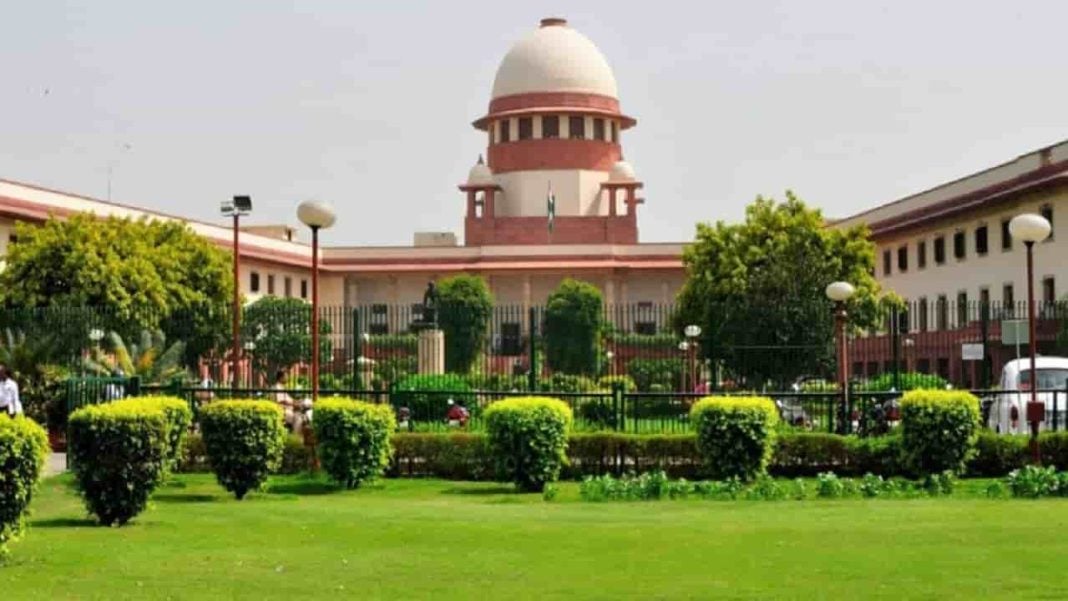
Case Name: Sathyan Naravoor v. Union of India & Ors.
Citation: 2026 INSC 397
Date of Judgment/Order: 21 April 2026
Bench: Justice Vikram Nath and Justice Sandeep Mehta
Held: The Supreme Court held that prisoners with disabilities are entitled to the full protection of dignity, equality, non-discrimination and substantive justice under Articles 14 and 21 of the Constitution, read with the Rights of Persons with Disabilities Act, 2016, even within custodial settings. The Court held that incarceration cannot dilute the fundamental rights of prisoners with disabilities and that the directions earlier issued in L. Muruganantham v. State of Tamil Nadu must be implemented across all States and Union Territories through a structured, uniform and continuously monitored framework. The Court further held that the High-Powered Committee constituted in Suhas Chakma v. Union of India is the appropriate institutional mechanism to oversee compliance, evolve standards, secure assistive devices, monitor accessibility, and ensure accountability across prison systems.
Summary: The writ petition raised systemic concerns regarding the rights and conditions of detention of prisoners with disabilities in prisons across India. The Supreme Court noted that in L. Muruganantham v. State of Tamil Nadu, it had already issued detailed directions for identification of prisoners with disabilities, accessible prison infrastructure, healthcare, assistive devices, disability-related data, accessibility audits, inclusive prison manuals, training of prison staff and monitoring mechanisms. In the present proceedings, the Court had earlier directed that those protections be extended to all States and Union Territories and supplemented them with additional requirements, including independent grievance redressal mechanisms, inclusive education, application of Section 89 of the RPwD Act to prison establishments, structured systems for assistive devices, and enhanced visitation rights for prisoners with benchmark disabilities. Since only 12 States and Union Territories had filed compliance affidavits, the Court considered that the issues required a more coordinated and expert-driven mechanism. It therefore entrusted the matter to the High-Powered Committee already constituted in Suhas Chakma, observing that such a mechanism would avoid fragmentation, strengthen accountability and ensure a uniform rights-based implementation model.
Decision: The Supreme Court issued further directions requiring the Secretary, Department of Empowerment of Persons with Disabilities, Union of India, and the Social Justice/Social Welfare Secretaries of all States and Union Territories, or their senior nominees, to actively participate in proceedings before the High-Powered Committee. All States and Union Territories were directed to place compliance affidavits before the Committee within six weeks, while the petitioner and intervenors were permitted to file representations and relevant material. The Committee was empowered to ensure compliance with L. Muruganantham and the Court’s earlier order dated 2 December 2025, formulate a comprehensive action plan for assistive devices and mobility aids, seek expert assistance, and submit a consolidated status report before the Court within four months. The Registry was directed to transmit the order to the Chairperson of the High-Powered Committee, and the matter was listed for 1 September 2026 along with Suhas Chakma v. Union of India & Ors.