Signed and Uploaded Supreme Court Order Prevails Over Oral Dictation, and Miscellaneous Applications Cannot Be Used to Rewrite Final Judgments
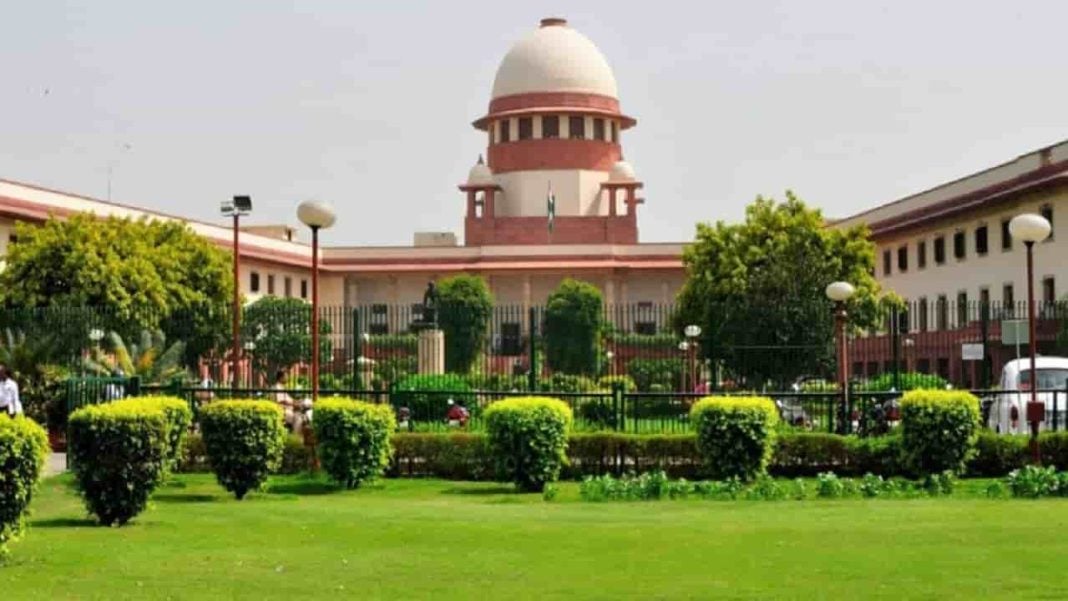
Case Name: Fakir Mamad Suleman Sameja and Ors. v. Adani Ports and Special Economic Zones Ltd. and Ors.
Citation: 2026 INSC 483
Date of Judgment/Order: 12 May 2026
Bench: Justice J.K. Maheshwari and Justice Atul S. Chandurkar
Held: The Supreme Court held that the final binding judicial order is the signed and uploaded order of the Court, and not the oral dictation or rough draft dictated in open Court to the Court-master. The Court clarified that draft dictations remain subject to correction, refinement, enhancement and removal of accidental errors before signing, provided no material change requiring rehearing is introduced. The Court further held that miscellaneous applications in disposed matters cannot be used to seek rewriting of final judgments or to declare the signed order “without force of law.” Such applications are maintainable only for correction of clerical or arithmetical mistakes or where executory directions become impossible to implement due to subsequent events.
Summary: The applicants sought clarification in a disposed civil appeal arising from proceedings concerning resumption of land allotted to Adani Ports and Special Economic Zones Ltd. They contended that there was a variance between the oral dictation made by the Bench in open Court on 27 January 2026 and the final signed order uploaded on 12 February 2026. According to the applicants, the oral dictation contained directions for maintenance of status quo over the land and continuation of proceedings before the Gujarat High Court, whereas the signed order disposed of the writ petition and omitted the status quo direction. Relying upon video recordings uploaded on YouTube, media reports, and precedents including Vinod Kumar Singh v. Banaras Hindu University, the applicants argued that the oral pronouncement constituted the final operative judgment. The Supreme Court rejected the contention and distinguished the earlier precedents on facts. The Court held that there was only one final order in the present case — namely the signed and uploaded order — and that the differences between the oral dictation and the final order were merely corrections and refinements made before signing. The Court also extensively discussed judicial practice, the distinction between dictation and formal pronouncement, the realities of heavy judicial docket management, and the permissible scope of post-dictation corrections before signing.
Decision: The Supreme Court dismissed the miscellaneous application as not maintainable and also on merits. The Court held that the application was a misconceived attempt to rewrite the final order through collateral proceedings and amounted to an abuse of process. It reaffirmed that only the signed and uploaded order dated 27 January 2026 constituted the operative and binding judgment of the Court. The Court further directed the concerned Registrar to explain how the miscellaneous application had been listed without compliance with the Circular dated 03 January 2025 governing post-disposal miscellaneous applications. Considering the frivolous nature of the proceedings and the attempt to undermine the authority of the Court, the Bench imposed symbolic exemplary costs of INR 2,000 each on the applicants, payable to the Supreme Court Legal Services Committee within four weeks.