Mediclaim Reimbursement Cannot Be Deducted from MACT Compensation Since Contractual Insurance Benefits Are Independent of Statutory Motor Accident Claims
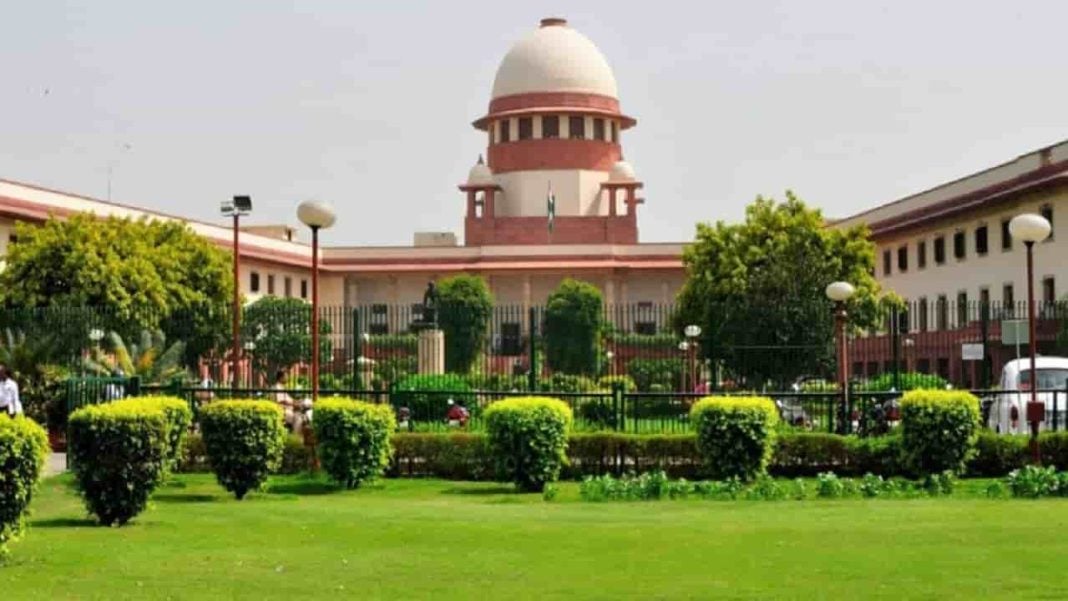
Case Name: New India Assurance Company Limited v. Dolly Satish Gandhi & Anr.
Citation: 2026 INSC 498
Date of Judgment/Order: 15 May 2026
Bench: Justice Sanjay Karol and Justice Vipul M. Pancholi
Held: The Supreme Court held that amounts received by a claimant under a Mediclaim or medical insurance policy are not deductible from compensation awarded under the Motor Vehicles Act, 1988, even where compensation under the MACT award includes medical expenses. The Court clarified that Mediclaim benefits arise from a private contractual arrangement based on payment of premiums by the insured, whereas compensation under the Motor Vehicles Act is a statutory entitlement arising from a tortious wrong and beneficial legislation. Since the two remedies operate in distinct legal spheres, receipt of Mediclaim reimbursement does not amount to “double benefit” or unjust enrichment warranting deduction from MACT compensation.
Summary: The appeal arose from a conflict of judicial opinion regarding whether medical expenses reimbursed under a Mediclaim policy should be deducted while computing compensation under Section 166 of the Motor Vehicles Act. The Bombay High Court, through a larger Bench, had held that Mediclaim reimbursements are not deductible from MACT compensation. Challenging this view, the insurer argued before the Supreme Court that once medical expenses stood reimbursed under a Mediclaim policy, awarding the same amount again under MACT would amount to duplication and violate the principle of “just compensation.” Reliance was placed upon judgments such as Reliance General Insurance Co. Ltd. v. Shashi Sharma and Oriental Insurance Co. Ltd. v. R. Swaminathan to contend that overlapping benefits under identical heads cannot be permitted. The respondents, on the other hand, relied upon Helen C. Rebello v. Maharashtra SRTC, Patricia Jean Mahajan, and Sebastiani Lakra to argue that contractual insurance benefits stand entirely independent of statutory compensation and therefore cannot be adjusted against MACT awards.
The Supreme Court undertook an extensive analysis of divergent High Court judgments across the country and noted the existence of contradictory rulings even within the same High Courts. The Court explained the distinction between statutory entitlements and contractual benefits, observing that statutory compensation under the Motor Vehicles Act arises by operation of law upon proof of negligence and injury, whereas Mediclaim reimbursement flows from a separate contractual arrangement supported by premiums paid by the insured. The Court held that Mediclaim policies are purchased by individuals as financial preparedness against medical contingencies and are not confined solely to motor accident injuries. Consequently, denying MACT compensation merely because the claimant prudently secured medical insurance would unjustly benefit the tortfeasor or insurer of the offending vehicle. The Court emphasized that MACT compensation is governed by the principle of “just compensation” under a beneficial statute and therefore stands on a higher pedestal than contractual insurance recoveries. The Court further clarified that the concept of “double benefit” applies only where two compensations arise from the same source and for the same legal entitlement, which is not the case with Mediclaim and MACT claims.
Decision: The Supreme Court dismissed the appeal filed by New India Assurance Company Limited and affirmed the legal position that Mediclaim or medical insurance reimbursements are not deductible from compensation awarded under the Motor Vehicles Act, including compensation awarded towards medical expenses. The Court held that Mediclaim benefits and MACT compensation operate independently in separate legal domains — one contractual and the other statutory. The matter was remanded to the High Court for determination consistent with the principles laid down in the judgment. Pending applications were disposed of accordingly.