• Call Us+91 7388255933
  • Email Uslawgiconivisam@gmail.com
LaWGiCo
  • Home
  • Law Updates
    • PIL is not maintainable in service matters: Supreme Court
  • Publications
  • About Us
  • Features
  • FAQ
  • Contact Us
Login Register

Natural Heirs Can Be Excluded if the Will Is Proved and Suspicion Is Properly Removed
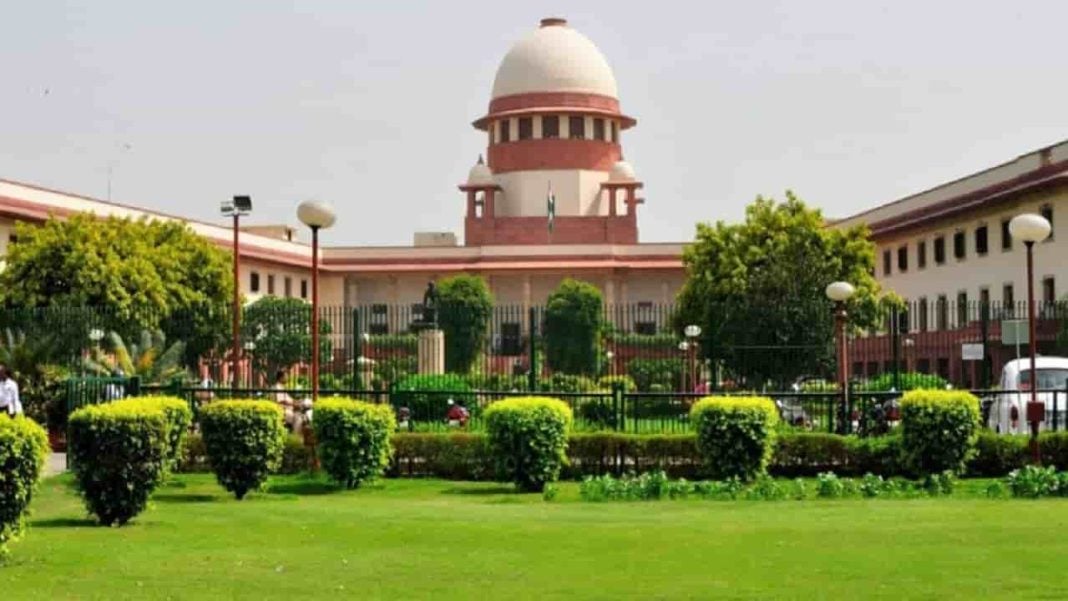
Natural Heirs Can Be Excluded if the Will Is Proved and Suspicion Is Properly Removed

Case Name: Parvathi Nairthi (Dead) and Ors. v. Laxmi Nairthy (Dead) Through LRs. and Ors.

Citation: 2026 INSC 521

Date of Judgment/Order: 21 May 2026

Bench: Justice Ujjal Bhuyan and Justice Vijay Bishnoi

Held: The Supreme Court held that a Will cannot be invalidated merely because the testator excluded his natural heirs, if the execution of the Will is duly proved in accordance with Section 68 of the Indian Evidence Act and the alleged suspicious circumstances are not real, germane or valid. The Court reiterated that the very object of a Will is to alter the ordinary line of succession, and therefore exclusion of wife and children by itself is not suspicious, especially where the Will records that the testator had already made sufficient provision for them. The Court further held that affidavits allegedly filed by attesting witnesses denying execution cannot be treated as substantive evidence unless proved in accordance with law and tested through cross-examination.

Summary: The dispute concerned immovable properties of B. Sheena Nairi, who executed a Will dated 15.05.1983 bequeathing the plaint schedule properties to his sister, Laxmi Nairthy, while stating that his wife and children had already been sufficiently provided for. After his death, his wife obtained mutation of the properties in her favour, but Laxmi Nairthy filed a suit seeking declaration of title, possession, mesne profits and consequential reliefs on the basis of the Will. The wife and children disputed the Will as forged and fabricated, but did not personally enter the witness box, and only their power of attorney holder gave evidence. The Trial Court decreed the suit, the First Appellate Court affirmed the decree, and the Karnataka High Court dismissed the second appeal. The Supreme Court upheld the concurrent findings, noting that one attesting witness, B. Jagannatha Nairi, had proved execution of the Will, the courts were entitled to compare admitted and disputed signatures, mutation entries did not confer title, non-registration of a Will did not affect its validity, and the alleged delay stood explained by the plaintiff’s earlier representation to the Tehsildar.

Decision: The Supreme Court dismissed the appeal and affirmed the judgment dated 15.11.2012 passed by the Karnataka High Court in Regular Second Appeal No. 1970 of 2012, thereby upholding the judgments of the Trial Court and the First Appellate Court declaring the plaintiff as owner of the plaint schedule properties under the Will. The Court held that the concurrent findings validating the Will were well reasoned and did not warrant interference. Pending applications were disposed of, with no order as to costs.

Click here to Read/Download the Order

If You Need Any Help Contact LaWGiCo

+91 7388255933

Contact us today!

image

Whether you’re a litigant, a legal counsel, or a corporation — LaWGiCo bridges the gap between law and accessibility.

Quick Links

  • Home
  • Features
  • FAQ
  • Law Updates
  • Contact Us

Resources

  • About us
  • Privacy Policy
  • Cookie Policy
  • Terms & Conditions

Contact us

268 GR FLR HIMSHIKHA COLONY PANCHKULA C.R.P.F. Pinjore Panchkula Haryana India 134104

+91 7388255933

lawgiconivisam@gmail.com

Open Time

Opening Day:
Monday - Friday: 8am to 6pm
Saturday: 9am to 5pm

Vacation:
All Sunday's

Copyright © 2025 LaWGiCo | All Rights Reserved