Punjab & Haryana High Court Orders Continuous CCTV Surveillance of Strong Rooms and Appoints Court Observers for Punjab Municipal Elections to Ensure Free & Fair Polling
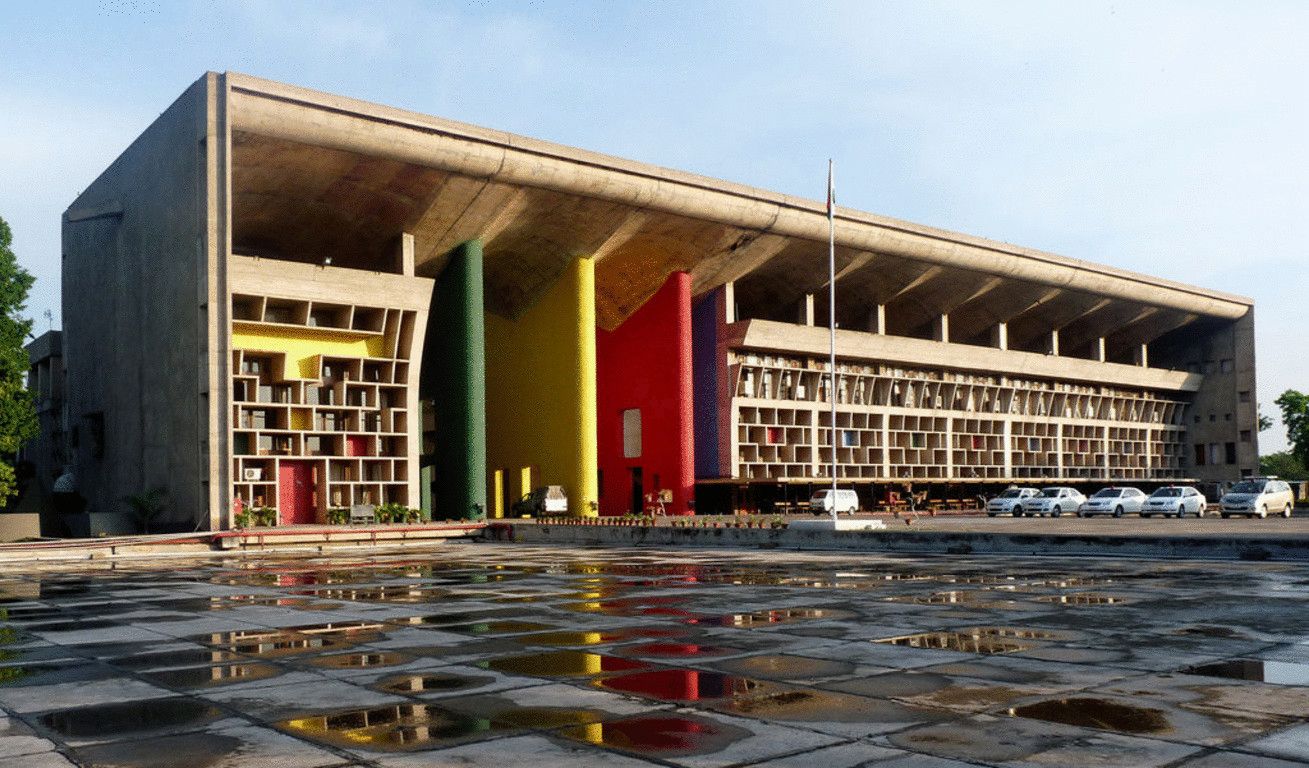
Case Name: Amarpal Singh Toor and Others v. State of Punjab and Others
Date of Judgment: 25 May 2026
Citation: CWP-17112-2026
Bench: Justice Harsimran Singh Sethi and Justice Deepak Manchanda
Held: The Punjab and Haryana High Court directed continuous videography and CCTV surveillance of polling booths, counting centres and storage rooms where votes are kept after polling in order to ensure free and fair municipal elections in Punjab. The Court also appointed independent Court Observers for Municipal Council Bhawanigarh, Sangrur, to monitor polling and counting proceedings and submit reports directly to the Court.
Summary: The writ petition sought directions for ensuring free and fair conduct of municipal elections scheduled in Punjab, including installation of CCTV cameras inside and outside polling booths, counting centres and storage rooms where votes would be preserved after polling.
The parties agreed that the controversy was substantially covered by an earlier judgment of the High Court in Amandeep Singh Nagi v. State of Punjab concerning similar safeguards during municipal elections.
During the hearing, the petitioners highlighted that while videography had already been directed by the earlier order, no specific direction had been issued for continuous videography of storage rooms where votes would remain stored after polling and before counting. The petitioners further sought appointment of Court Observers for Municipal Council Bhawanigarh, Sangrur, both for polling and counting days, offering to bear the expenses of such observers.
Accepting the request, the High Court directed that storage rooms containing votes shall be continuously videographed from both inside and outside to eliminate allegations of manipulation or tampering. The Court further directed the State to provide adequate security arrangements to ensure safe custody of votes until counting. The directions were made applicable to all Municipal Councils where elections were scheduled on 26.05.2026 or during the first week of June 2026.
The State submitted that appointment of Court Observers was within the prerogative of the Court and expressed no objection to such appointments so long as the observers worked alongside official observers already appointed by the Government. The Court clarified that the observers would only monitor the conduct of elections and counting proceedings and submit reports to the Court, without issuing directions to election authorities.
The High Court also laid down safeguards regarding functioning of the Court Observers, including security arrangements, transportation and payment of professional fees. The Court fixed remuneration of ₹1 lakh each for the appointed observers and directed that the expenses would form part of election expenditure attributable to the candidates.
For Municipal Council Bhawanigarh, Sangrur, the Court appointed advocates as independent observers for polling and counting duties and directed them to submit reports after completion of their assignments.
Decision: The writ petition was disposed of with directions for continuous videography of polling booths, counting centres and storage rooms, provision of adequate security for strong rooms, and appointment of Court Observers for Municipal Council Bhawanigarh, Sangrur. The Court further directed that expenses incurred for Court Observers would be treated as election expenditure attributable to the candidates.