High Court Can Order Police Investigation if Someone Is Suspected of Siphoning a Disputed Estate
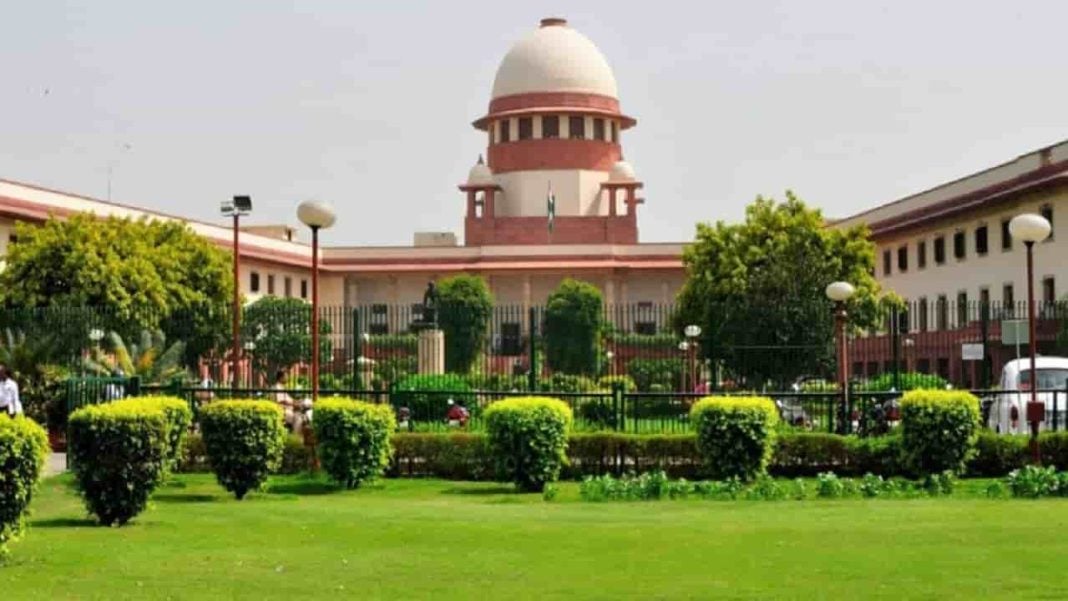
Case Name: Bai Avabai Hormusji Tata Trust v. Shernaz Faroukh Lawyer & Ors. with connected appeals
Citation: 2026 INSC 540
Date of Judgment/Order: 25 May 2026
Bench: Justice Pankaj Mithal and Justice Prasanna B. Varale
Held: The Supreme Court held that although the primary function of a testamentary court is to decide the genuineness and due execution of a Will, a High Court exercising testamentary jurisdiction does not lose its inherent, plenary and constitutional powers as a Court of Record under Article 215 of the Constitution. Where the estate of a deceased person is in custodia legis, an Administrator pendente lite has been appointed under Section 247 of the Indian Succession Act, 1925, and the Court notices serious allegations of siphoning, deceit, suppression of bank accounts, fraudulent transactions or obstruction of the Administrator’s mandate, the High Court can direct a criminal investigation to protect the estate and prevent abuse of process. The Court clarified that the Indian Succession Act does not grant immunity for fraud, criminal breach of trust or conspiracy in relation to estate assets, and Section 340 CrPC does not bar such broader investigation where the Court acts to uncover a larger conspiracy affecting the estate.
Summary: The litigation arose from competing Wills of late Purvez Burjor Dalal, a Parsi Zoroastrian bachelor who died leaving behind an estate valued at over INR 100 crores. One Will dated 22.11.2010 was propounded by the respondents, while another Will dated 08.09.2011 was propounded by Manek Dara Sukhadwalla, who claimed to be sole executor and asserted that the estate was bequeathed to charitable purposes. During the testamentary proceedings, the Bombay High Court appointed an Administrator pendente lite under Section 247 of the Indian Succession Act to protect the estate. The Administrator discovered that substantial sums had been transferred from the estate account after the testator’s death, including INR 17,08,147 to Amoha Traders Private Limited and INR 15,00,000 to Bai Avabai Hormusji Tata Trust. The respondents alleged that the Trust and other entities were part of a web of connected entities linked to Jamsheed Panday and that the estate funds had been siphoned through suspicious transactions. The learned Single Judge directed the Administrator to prepare a criminal complaint to be forwarded through the Prothonotary and Senior Master to the Commissioner of Police, Mumbai, for investigation, with progress reports to be submitted to the Court. The Division Bench upheld the order. The Supreme Court agreed, holding that the High Court was not conducting a roving inquiry in a mere civil dispute, but was exercising necessary powers to protect an estate under court control from suspected fraud and depletion.
Decision: The Supreme Court dismissed the appeals and upheld the Bombay High Court’s common judgment dated 16.07.2024 as well as the learned Single Judge’s order dated 21.12.2018 directing a court-monitored criminal investigation. The Court held that the High Court was justified in invoking Article 215 and its inherent plenary powers to protect the estate in medio and to ensure that the Administrator’s duties were not frustrated by obstruction, suppression or alleged siphoning. The Court directed that if a report is drawn by the Prothonotary and submitted for investigation pursuant to the High Court’s directions, the competent investigating authority shall proceed expeditiously and submit progress reports as directed by the High Court. Pending applications were also dismissed.