Cheque Bounce Cases Do Not Automatically Stop During Personal Insolvency; Supreme Court Refers NI Act–IBC Moratorium Conflict to Larger Bench
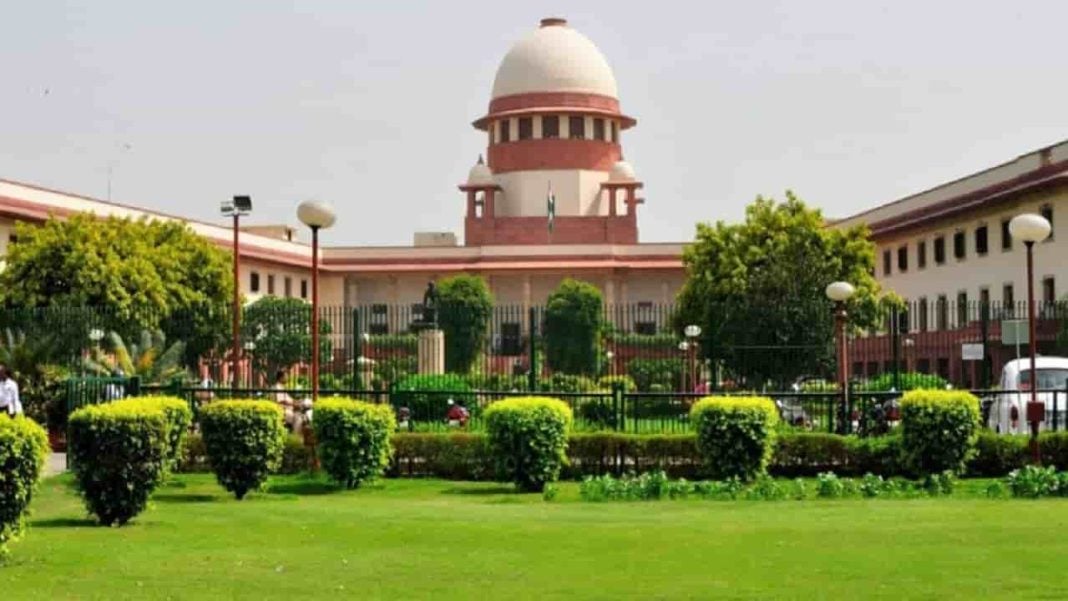
Case Name: Dineshchand Surana v. UCO Bank
Citation: 2026 INSC 579
Date of Judgment/Order: May 27, 2026
Bench: Justice J.B. Pardiwala and Justice K.V. Vishwanathan
Held: The Supreme Court held that proceedings under Section 138 of the Negotiable Instruments Act, 1881 cannot be treated as ordinary money recovery proceedings merely because they arise from a debt. The Court explained that cheque dishonour is made a criminal offence by statutory deeming fiction, and the criminal liability is attached to the dishonour of the cheque, not merely to non-payment of the debt. At the same time, the Court recognised that Section 138 proceedings also contain a strong compensatory element, and that moratorium provisions under Part III of the Insolvency and Bankruptcy Code, 2016 may affect the compensatory or recovery aspect of such proceedings. Since the issue involves an important conflict between the criminal object of Section 138 NI Act and the debt-protection object of personal insolvency moratorium under the IBC, the Court referred the matter for consideration by an appropriate three-Judge Bench.
Summary: The appellant, former Managing Director of Surana Power Ltd., was facing a complaint under Section 138 of the NI Act after a cheque issued in favour of UCO Bank for discharge of liability arising from a letter of credit was dishonoured for insufficient funds. During the pendency of the complaint, personal insolvency proceedings were initiated against the appellant under Part III of the IBC, and he sought quashing or stay of the cheque bounce proceedings on the ground that the interim moratorium under Section 96, and later moratorium under Sections 101 and 128, barred legal proceedings in respect of debt. The Madras High Court rejected this contention, holding that Section 138 proceedings are criminal in nature and not proceedings for recovery of money. Before the Supreme Court, the appellant relied on P. Mohanraj to argue that Section 138 proceedings are a “civil sheep in a criminal wolf’s clothing”, while the bank relied on later decisions holding that moratorium cannot be used to avoid personal criminal liability. The Supreme Court analysed the dual nature of Section 138, the distinction between fine and compensation, the scheme of compensation under Section 395 BNSS, and the object of moratorium under personal insolvency and bankruptcy provisions of the IBC.
Decision: The Supreme Court did not finally decide the appeals on merits. It directed the Registry to place the matters before the Chief Justice of India for constitution of an appropriate three-Judge Bench. The larger Bench was requested to consider whether Section 138 NI Act proceedings are quasi-criminal with a tilt towards the criminal side, and whether moratorium under Part III of the IBC applies to the entire Section 138 proceeding or only to its compensatory aspect.