Reserved Judgments Must Be Delivered Within a Reasonable Time: Supreme Court Frames Binding Guidelines for All High Courts
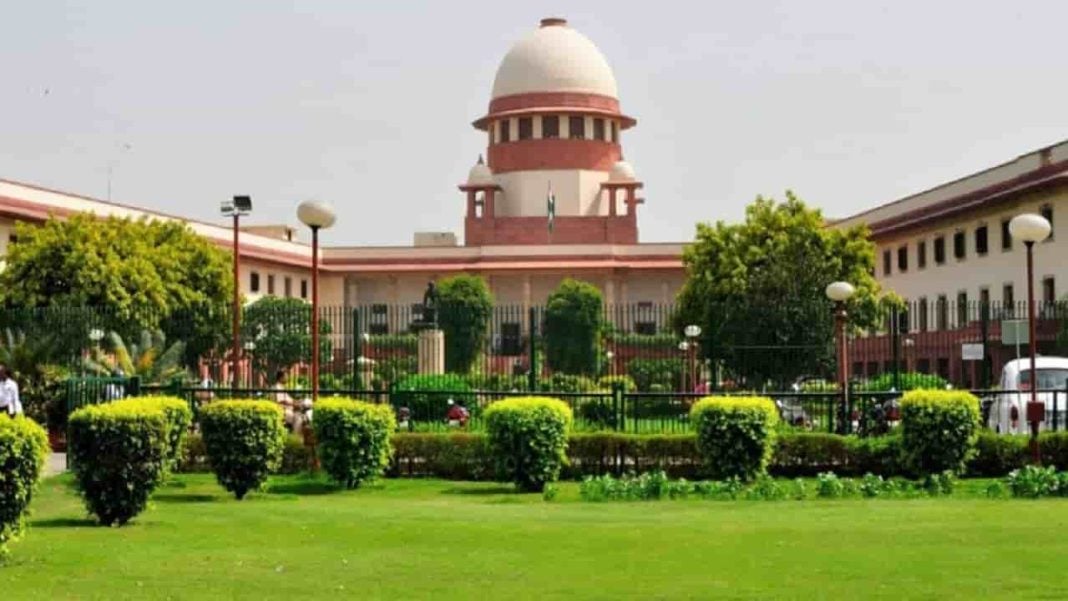
Case Name: Pila Pahan @ Peela Pahan and Others v. State of Jharkhand and Another
Citation: 2026 INSC 604
Date of Judgment/Order: May 29, 2026
Bench: Chief Justice Surya Kant and Justice Joymalya Bagchi
Held: The Supreme Court held that delay in pronouncing reserved judgments directly affects the administration of justice and may violate Article 21, especially where personal liberty is involved. The Court held that the right to life and personal liberty is not limited to speedy trial alone, but extends to every stage of judicial proceedings, including timely pronouncement after conclusion of hearing. It further held that delayed judgments weaken public confidence in courts, affect the quality of adjudication, and may render the relief claimed by litigants nugatory. Therefore, in exercise of powers under Article 142, the Court issued binding guidelines for all High Courts prescribing timelines for pronouncement, uploading, monitoring and remedies where judgments remain reserved beyond the permissible period.
Summary: The proceedings arose from petitions filed by convicts and litigants seeking pronouncement of judgments that had remained reserved for long periods before certain High Courts. In the lead matter, the petitioners had filed criminal appeals before the Jharkhand High Court after conviction and long custody, but judgments remained reserved for years. The Supreme Court initially sought a report from the Jharkhand High Court, which revealed numerous matters where judgments had remained reserved for months and even years. The Court then expanded the scope of the case and directed all High Courts to provide data on reserved judgments and delayed uploads. With the assistance of the learned Amicus Curiae, the Court examined the pan-India problem and found that delayed pronouncement of reserved judgments was a serious systemic issue. The Court relied on earlier decisions including Anil Rai v. State of Bihar and Ratilal Jhaverbhai Parmar v. State of Gujarat, and framed a more comprehensive mechanism for timely pronouncement and transparency.
Decision: The Supreme Court disposed of the writ petitions by issuing binding directions applicable to all High Courts. It directed that reserved judgments should ordinarily be pronounced within a maximum period of three months; bail orders should preferably be pronounced and uploaded on the same day or, if reserved, on the next day; orders granting bail, suspension of sentence or acquittal of persons in custody must be immediately communicated to jail authorities and trial courts; and reasoned judgments should be uploaded within 24 hours of pronouncement. Where only the operative part is pronounced, reasons must be uploaded within seven days, extendable up to fifteen days in exceptional practical difficulty. The Court further directed automated monthly monitoring of reserved judgments, confidential circulation to the Chief Justice where judgments remain pending, listing of applications for early judgment within two days, possible reassignment after three and a half months, and website disclosure of reservation, pronouncement and uploading dates. The Registrars General of all High Courts were directed to place the guidelines before their Chief Justices for necessary amendments to High Court Rules and websites.