Indian Stamp Act, Section 47-A – Requirement of Reasons in Form-I Notice; Collector Must Follow Procedural Safeguards
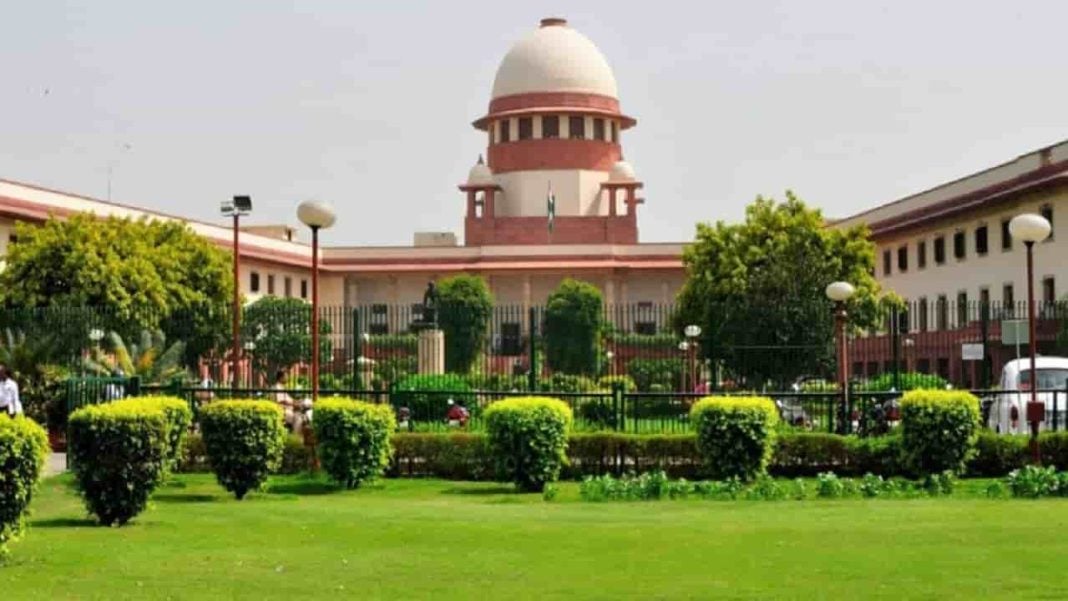
Case Name: Chief Revenue Controlling Officer-cum-Inspector General of Registration & Others v. P. Babu
Citation: Civil Appeal Nos. 75–76 of 2025 (@ SLP (C) Nos. 18676–18677 of 2018)
Date of Judgment: 3 January 2025
Bench: Justice J.B. Pardiwala and Justice R. Mahadevan (DB)
Held: The Supreme Court held that for a valid reference under Section 47-A of the Indian Stamp Act, 1899, the Registering Authority must record reasons in the Form-I notice as to why the document appears undervalued. Further, the Collector must comply with the procedural safeguards under the Tamil Nadu Stamp (Prevention of Undervaluation of Instruments) Rules, 1968, including provisional determination, issuance of Form-II, and an opportunity of hearing. A failure to follow these mandatory requirements vitiates the proceedings.
Summary: The respondent purchased land under two sale deeds dated 02.09.2000 and 05.09.2002, with consideration amounts of ₹1,30,000 and ₹1,20,000 respectively. The Sub-Registrar, Tindivanam, declined to release the documents citing undervaluation and referred them under Section 47-A(1) of the Stamp Act. The Special Deputy Collector (Stamps) fixed market values at ₹10,36,937 and ₹51,16,600 respectively, substantially higher than the stated consideration, and demanded deficit stamp duty. The Inspector General of Registration affirmed the determination. The Madras High Court, however, allowed the purchaser’s appeals, holding that the Form-I notices lacked reasons for undervaluation, no material was cited to justify enhancement, and the enquiry process violated the statutory mandate.
Before the Supreme Court, the Revenue argued that reasons were not mandatory in Form-I notices. The Court disagreed, affirming the Full Bench ruling of the Madras High Court in G. Karmegnam v. Joint Sub-Registrar (2007) 5 CTC 737, which held that though the Registering Officer cannot refuse registration, he must record reasons, however brief, before making a Section 47-A reference. It emphasized that “reason to believe” under Section 47-A must be based on objective material, not subjective satisfaction or routine practice, otherwise it risks arbitrary action. The Court also found that the Collector skipped the mandatory step of issuing a provisional order under Rule 4(4) of the 1968 Rules before proceeding to final determination. The failure to follow Rules 4 and 6 of the 1968 Rules, which ensure due process, rendered the proceedings unsustainable.
Decision: The Supreme Court upheld the Madras High Court’s order dated 2 September 2015, dismissed the appeals of the Revenue Authorities, and reaffirmed that non-speaking Form-I notices and non-compliance with Rules 4 and 6 of the 1968 Rules vitiate the determination of market value under Section 47-A of the Indian Stamp Act.