State Cannot Grab Citizens’ Land Through Adverse Possession; Illegal Occupation of Private Land by State Cannot Be Cured Through Adverse Possession: Punjab & Haryana High Court Orders Compensation for Illegal Occupation
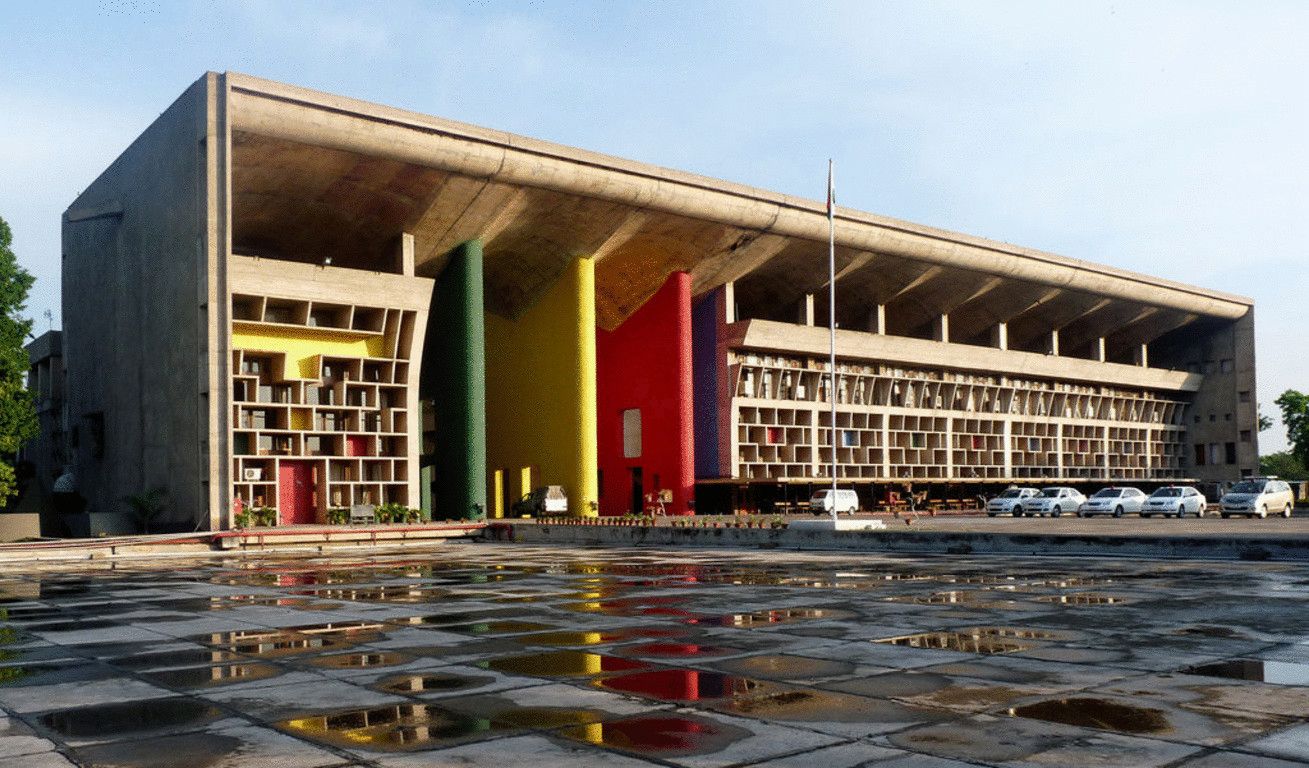
Case Name: Ranbir Singh and Others v. Haryana State through Collector, Fatehabad
Date of Judgment: 22 May 2026
Citation: RSA-4001 of 2006
Bench: Hon’ble Mrs. Justice Ramesh Kumari
Held: The Punjab & Haryana High Court held that the State, being a welfare State, cannot dispossess citizens of their land without following due process of law, nor can it perfect its title by invoking the doctrine of adverse possession. Where private land is utilized for a public purpose without acquisition or payment of compensation, the State is liable to compensate the landowners at fair market value with all statutory benefits by treating the land as a case of deemed acquisition.
Summary: The appellants instituted a suit seeking possession of approximately seven kanals of land through which the Banmandori distributary passed. They contended that although the distributary had originally existed, the State had subsequently brick-lined and cemented it over their land without initiating acquisition proceedings or paying any compensation. The trial court and the first appellate court dismissed the suit, holding that the State had perfected its title through adverse possession and that the claim was barred by limitation.
Before the High Court, the appellants argued that they continued to be recorded owners of the land and that the State could neither encroach upon private property nor rely upon adverse possession to defeat constitutional property rights. They further submitted that no compensation had ever been paid despite the continued use of their land for a public irrigation distributary. The State defended the judgments below by asserting that the distributary had existed since 1960, had been openly used for public irrigation for decades and that the plaintiffs had acquiesced in its existence, thereby enabling the State to acquire title through adverse possession.
The High Court extensively examined the constitutional protection of property under Article 300-A and relied upon the decisions of the Supreme Court in State of Haryana v. Mukesh Kumar, Vidya Devi v. State of Himachal Pradesh, Pradyumna Mukund Kokil v. State of Maharashtra and State of Haryana v. Amin Lal. Reiterating that the right to property is a constitutional as well as a human right, the Court held that the State cannot assume the character of a trespasser and thereafter invoke adverse possession to legitimise its occupation of citizens’ land. The Court observed that land required for public purposes must be acquired strictly in accordance with law and upon payment of fair compensation.
While acknowledging that the distributary had been serving public irrigation needs for several decades and could not practically be removed, the Court held that the State’s continued possession without acquisition remained illegal. Consequently, instead of directing restoration of possession, the Court balanced public interest with private property rights by directing the State to compensate the landowners at the prevailing market value together with all statutory benefits, including solatium and interest, treating the case as one of deemed acquisition.
Decision: The Regular Second Appeal was partly allowed. The judgments of the trial court and the first appellate court were set aside. The State of Haryana was directed to pay compensation at the fair market value of the seven kanals of land along with all statutory benefits, including solatium and interest, within three months by treating the acquisition as a case of deemed acquisition.