Truck Parked on Road at Night Without Warning Signs Makes Driver Liable; Rear-End Collision Alone Does Not Prove Car Driver’s Negligence: Supreme Court
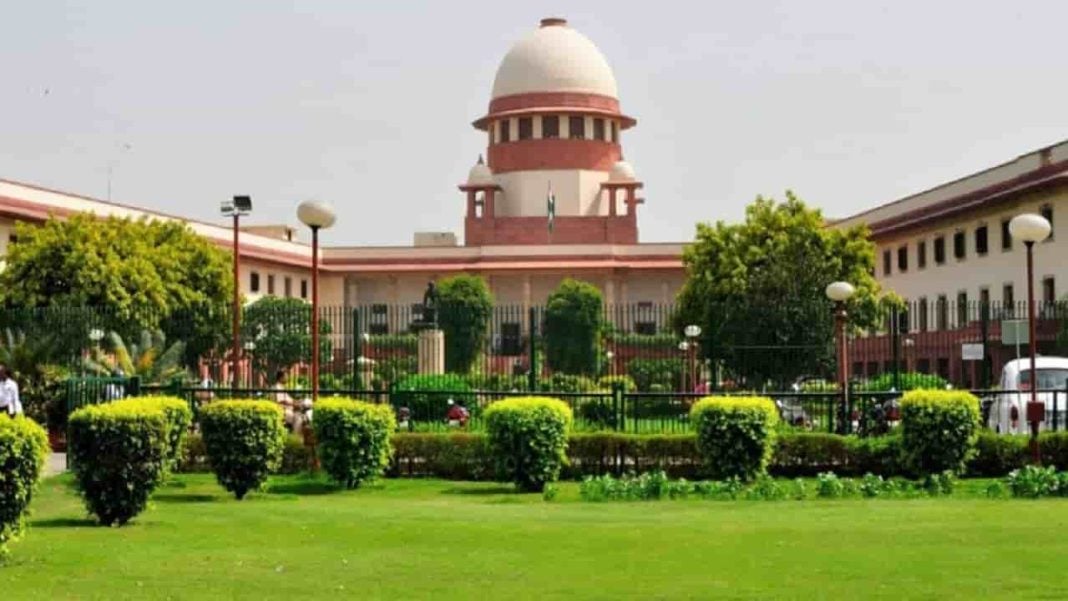
Case Name: The Oriental Insurance Company Limited v. Kalu Ram and Others
Citation: 2026 INSC 653
Date of Judgment/Order: 23 June 2026
Bench: Prashant Kumar Mishra, J. and N.V. Anjaria, J.
Held: The Supreme Court held that where a truck is stationed on a road at night without parking lights, indicators, reflectors or cautionary signs, and the driver or owner fails to enter the witness box to prove that reasonable precautions were taken, negligence can validly be fastened upon the truck driver. The Court clarified that a rear-end collision by itself does not automatically prove negligence or contributory negligence on the part of the vehicle coming from behind; the issue must be assessed in the totality of circumstances. The Court further held that while compensation under the Motor Vehicles Act must not be based on pure speculation, a tribunal may take a liberal and realistic view of the future earning potential of a young professional student, and parents of an unmarried deceased child are also entitled to filial consortium.
Summary: The case arose from a fatal accident on 11.06.2013 at about 3:00 a.m. near Andrews Ganj Bus Stop, BRT Corridor, Delhi, where Akash Kumar, a 20-year-old CA Final student undergoing articleship, died when the Wagon-R car in which he was travelling collided with a truck. The claimants alleged that the truck was parked in the middle of the road without warning lights, indicators or reflectors, while the insurer contended that the truck had suffered tyre puncture and was parked on the extreme left side, and that the Wagon-R driver was negligent. The Motor Accident Claims Tribunal relied on the testimony of the injured eyewitness, site photographs and the failure of the truck driver and owner to testify, and held the truck driver negligent. It awarded ₹81,21,900 by assessing the deceased’s monthly income at ₹55,500 in view of his CA Final status and professional prospects. The Delhi High Court affirmed the award. The Supreme Court upheld the concurrent finding on negligence, rejected the insurer’s plea of contributory negligence, and declined to reduce the compensation despite noting some technical overlap in the Tribunal’s forward-looking income assessment and future prospects addition, as the award still fell within the bounds of just compensation.
Decision: The Supreme Court dismissed the insurer’s appeal and partly allowed the claimants’ appeal. It upheld the compensation of ₹81,21,900 awarded by the Tribunal and affirmed by the High Court, but added ₹80,000 towards filial consortium, i.e., ₹40,000 each to the deceased’s parents, along with interest at the rate awarded by the Tribunal. The total compensation was enhanced to ₹82,01,900, and the insurer was directed to deposit the enhanced amount before the Tribunal within four weeks. The Court also reiterated that amounts under conventional heads such as consortium, loss of estate and funeral expenses should be enhanced by 10% every three years.