Amputation of Leg Can Amount to 100% Functional Disability When Injured Cannot Continue Manual Work: Supreme Court
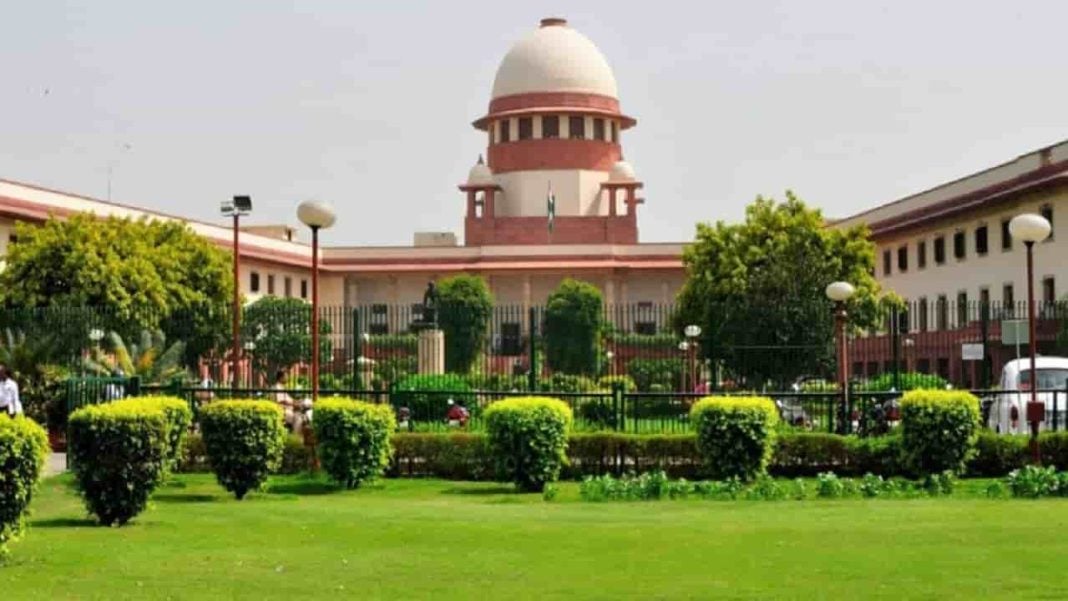
Case Name: M. Paramesh v. VRL Logistics Ltd. and Another
Citation: 2026 INSC 655
Date of Judgment/Order: 23 June 2026
Bench: Prashant Kumar Mishra, J. and N.V. Anjaria, J.
Held: The Supreme Court held that in motor accident injury cases, compensation for loss of earning capacity cannot be calculated mechanically by equating physical disability with functional disability. The Court held that where the injured claimant was working as a mason and suffered above-knee amputation of his right leg, the effect of the injury on his actual earning capacity had to be assessed with reference to the nature of his work. Since masonry is a physical and manual avocation requiring continuous use and support of both legs, the claimant’s 70% physical disability was required to be treated as 100% functional disability for computing loss of earning capacity.
Summary: The appellant, a 30-year-old mason, was riding his bicycle on the Namakkal–Salem NH-7 Road when a lorry hit him from behind, causing grievous injuries to his head, jaw, eye and right leg, ultimately resulting in above-knee amputation of his right leg. The Motor Accident Claims Tribunal held the lorry driver negligent and awarded ₹10,84,330 by assessing the appellant’s monthly income at ₹6,000 and disability at 70%. The Madras High Court enhanced the monthly income to ₹12,000, added 40% future prospects and increased compensation to ₹23,86,320, but continued to assess earning loss on the basis of 70% disability. The Supreme Court found that the High Court had also made computational errors by calculating future prospects on the Tribunal’s lower loss of income figure and by omitting certain heads such as nutrition, clothing and medical expenses from the final computation. Relying on Raj Kumar v. Ajay Kumar, the Court held that the real inquiry is how the disability affects the injured person’s earning capacity in his actual occupation, and in the present case the amputation destroyed the appellant’s ability to continue masonry work.
Decision: The Supreme Court partly allowed the appeal and modified the compensation awarded by the High Court. It assessed the appellant’s functional disability at 100%, retained monthly income at ₹12,000, applied multiplier 17, added 40% future prospects, enhanced future medical expenses for artificial limb/prosthesis from ₹1,00,000 to ₹2,00,000, and affirmed the remaining heads. The total compensation was enhanced to ₹40,29,730 with interest at the same rate awarded by the High Court. The Insurance Company was directed to deposit the enhanced amount before the Tribunal within six weeks, whereafter the appellant would be entitled to withdraw it in accordance with law.