Punjab and Haryana High Court – Appointment of Arbitrator Under Requisition and Acquisition of Immovable Property Act Denied Due to Delay of 29 Years
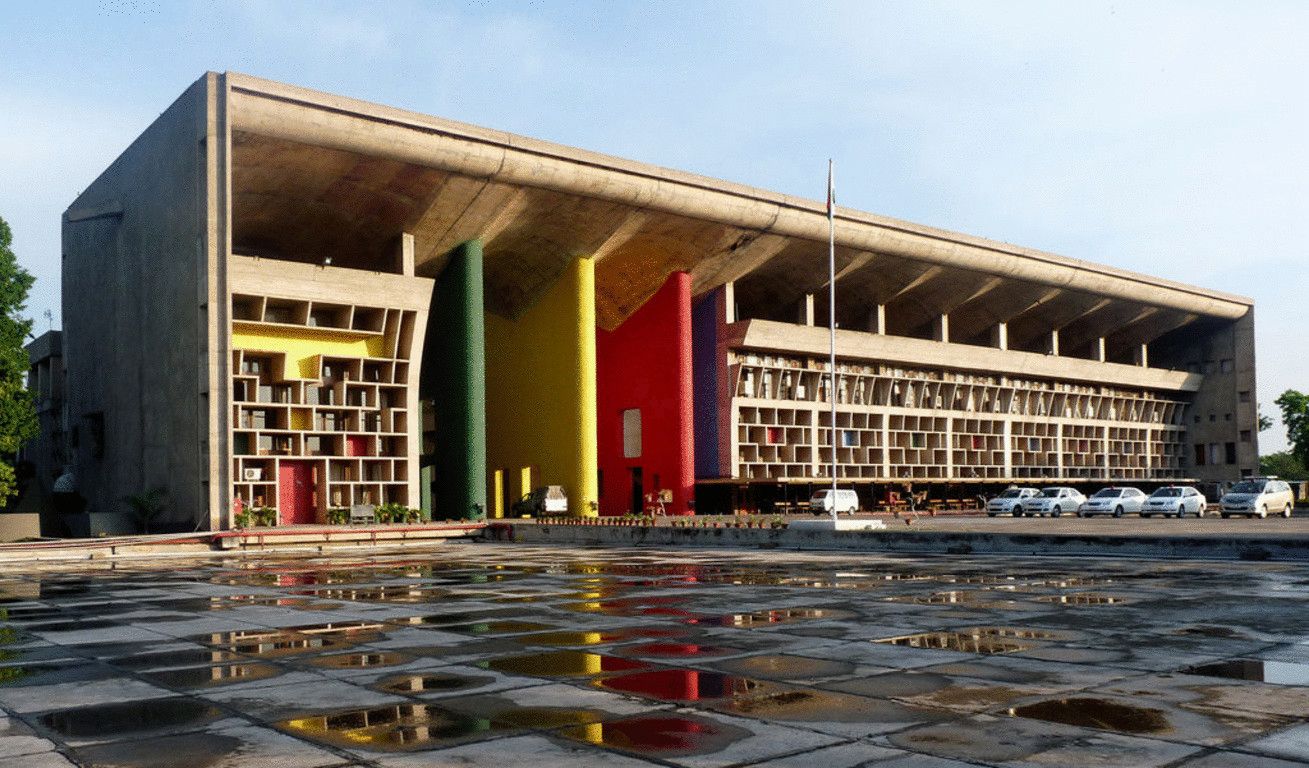
Case Name: Gurcharan Singh and Another v. Union of India and Others
Citation: LPA Nos. 2076 and 2069 of 2019
Date of Judgment: 6 January 2020
Bench: Chief Justice Ravi Shanker Jha and Justice Arun Palli (DB)
Held: The Punjab and Haryana High Court dismissed the appeals seeking appointment of an arbitrator under the Requisition and Acquisition of Immovable Property Act, 1952. It held that a delay of 29 years in raising such a claim disentitled the appellants from relief. The plea for parity with another landowner who had sought arbitration promptly in 1983 was rejected on the ground that vigilance and timely action were essential.
Summary: The appellants’ land had been requisitioned in 1975 and compensation awarded on 06.03.1975. They did not challenge the award or seek appointment of an arbitrator at that time. Only in October 2004 did they issue a notice requesting appointment of an arbitrator, nearly three decades after the award. Their writ petition was dismissed by a Single Judge on the ground of delay and laches. On appeal, they contended that parity ought to have been extended because another landowner, Gurbax Singh, whose land was acquired under the same notification, had successfully secured the appointment of an arbitrator by filing a writ in 1983.
The Division Bench rejected this plea, holding that Gurbax Singh was vigilant in pursuing his rights, whereas the appellants had remained silent for decades. Relying on the principles laid down by the Supreme Court in New Delhi Municipal Council v. Pan Singh (2007) 9 SCC 278 and S.S. Balu v. State of Kerala (2009) 2 SCC 479, the Court emphasized that delay defeats equity. It further noted that under the 1952 Act and Rules, an aggrieved landowner was required to approach the competent authority within 15 days of the compensation offer to seek appointment of an arbitrator. The appellants had clearly failed to do so.
Decision: The Division Bench dismissed both appeals, upholding the Single Judge’s order that denied relief on grounds of delay and laches, and confirmed that no appointment of an arbitrator could be ordered after such extraordinary delay.