Absconding Accused Cannot Benefit from a Witness’s Death: Supreme Court Allows Deceased Victim’s Prior Deposition Under Section 299 CrPC
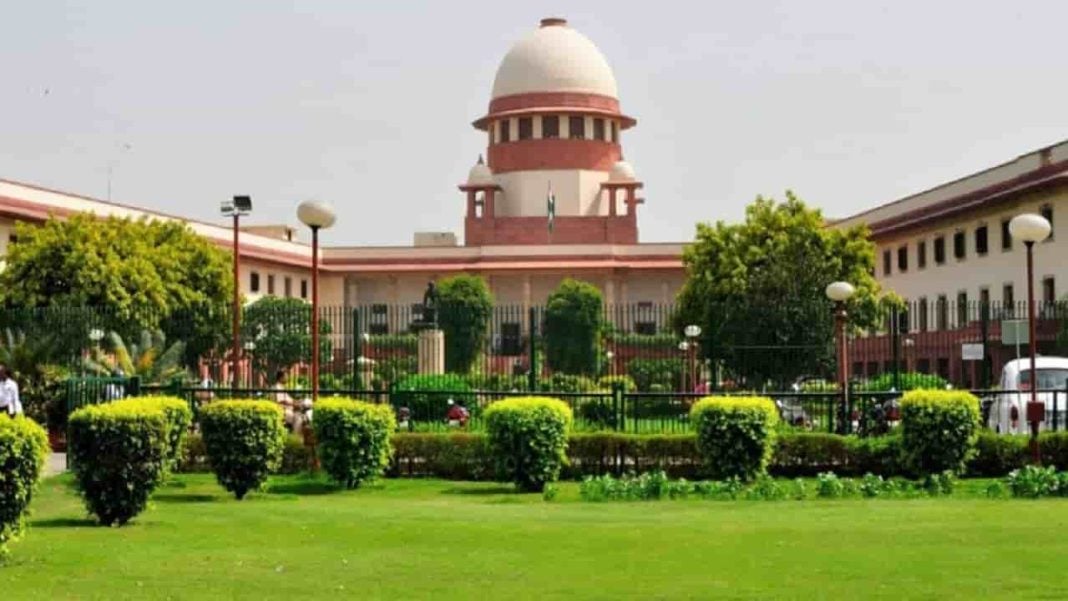
Case Name: State of West Bengal v. Kader Khan
Date of Judgment: 17 July 2026
Citation: 2026 INSC 718
Bench: Justice Sanjay Karol and Justice Vipul M. Pancholi
Held: The Supreme Court held that the deposition of a witness recorded during the trial of co-accused may be used against an accused who had absconded, provided the conditions under Section 299(1) CrPC are established. The prosecution must show that the accused was absconding, there was no immediate prospect of arrest and, when the earlier deposition is sought to be used, the witness is dead, incapable of giving evidence, untraceable or cannot be produced without unreasonable delay, expense or inconvenience. A separate formal order expressly invoking Section 299 before recording the witness’s deposition is not mandatory if these foundational facts are otherwise proved.
Summary: The case arose from the 2012 Kolkata gang rape in which the victim was allegedly abducted, threatened and sexually assaulted at gunpoint inside a moving car. Three accused were arrested and tried, while the respondent and another accused remained absconding. Proclamation proceedings were issued against them, and the trial was split. The victim was examined and extensively cross-examined during the first trial but died in March 2015. The respondent was arrested only in September 2016.
During the respondent’s subsequent trial, the prosecution sought to rely upon the deceased victim’s earlier deposition. The Trial Court allowed the application, but the Calcutta High Court set aside that order, holding that the earlier evidence was inadmissible because no specific direction had been obtained under Section 299 CrPC before recording it.
The Supreme Court rejected this restrictive interpretation. It observed that Section 299 is intended to preserve prosecution evidence where an accused deliberately evades trial. Requiring the prosecution to predict, during the earlier trial, that a witness may die or become unavailable before the absconder is arrested would defeat the provision’s purpose. The provision does not prescribe any particular stage at which it must be invoked or require a formal order in a specified form.
The Court cautioned that an accused cannot remain absconding for years, wait until a material witness dies and thereafter claim that the earlier deposition cannot be read against him. Such an interpretation would reward deliberate evasion of the criminal process and permit an accused to benefit from his own wrong.
In the present case, the respondent had been proclaimed absconding in April 2012, the chargesheet recorded him as absconding and the victim’s deposition was recorded in 2013 when there was no immediate prospect of his arrest. Since the victim subsequently died and the respondent was arrested only three years later, the statutory conditions under Section 299(1) stood satisfied.
Decision: The Supreme Court allowed the State’s appeals, set aside the Calcutta High Court’s order and restored the Trial Court’s decision permitting the deceased victim’s earlier deposition to be used in the respondent’s trial.