Appeal Challenging Solatium, Additional Amount or Statutory Interest in Land Acquisition Case Attracts Ad Valorem Court Fee; Section 8 Court Fees Act Applies Even When Appeal Does Not Challenge Market Value but Only Solatium and Interest: Supreme Court
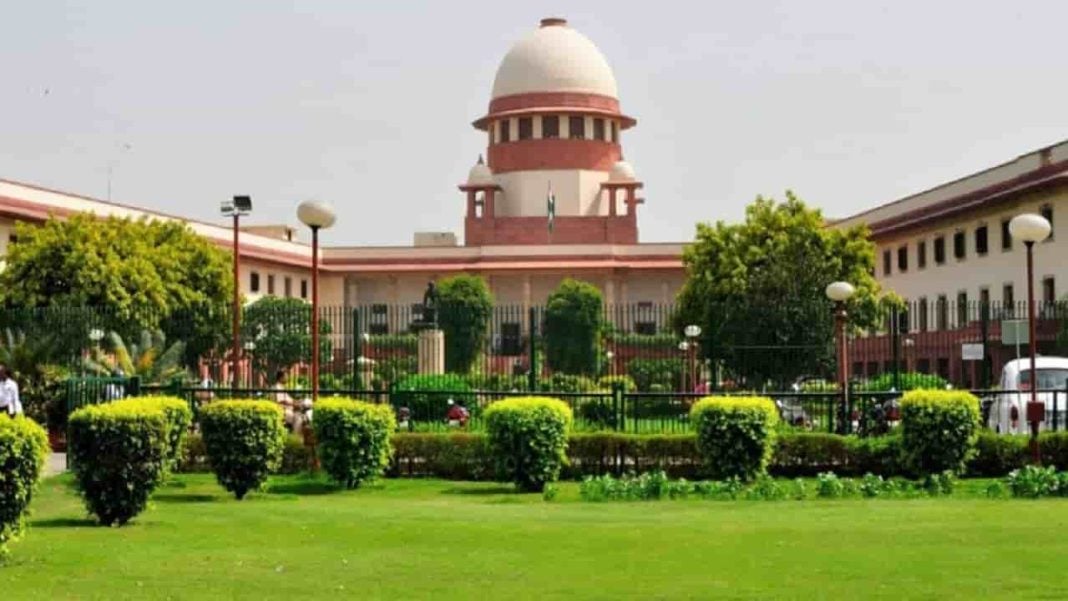
Case Name: Tehri Hydro Development Corporation Ltd. v. S.P. Singh & Ors.
Date of Judgment: 31 July 2026
Citation: 2026 INSC 773
Bench: Justice R. Mahadevan and Justice Manmohan
Held: The Supreme Court held that the additional amount under Section 23(1-A), solatium under Section 23(2), and statutory interest under Section 28 of the Land Acquisition Act, 1894 are integral and inseparable components of “compensation” and together form part of the composite decree passed by the Reference Court. Consequently, an appeal under Section 54 of the Land Acquisition Act seeking deletion or reduction of any of these components is an appeal “relating to compensation” within Section 8 of the Court Fees Act, 1870 and attracts ad valorem court fee on the value of the relief sought. The requirement cannot be avoided merely because the appellant accepts the market value of the acquired land and challenges only statutory additions.
Summary: The dispute arose from acquisition of land at Banjarawala Mafi, Dehradun, for rehabilitation of Tehri Dam oustees. The Reference Court did not enhance the market value claimed by the landowners but granted statutory benefits comprising an additional amount at 12% per annum, 30% solatium and statutory interest. Tehri Hydro Development Corporation challenged only these statutory benefits before the Uttarakhand High Court under Section 54 of the Land Acquisition Act and paid a fixed court fee of ₹10. The High Court directed it to pay ad valorem court fee on the amount under challenge, leading to the appeal before the Supreme Court.
The Supreme Court rejected the Corporation’s argument that statutory benefits are conceptually separate from the determination of compensation. Section 8 of the Court Fees Act requires court fee on the difference between the amount awarded and the amount claimed in an appeal concerning compensation and does not distinguish between different constituents of compensation. Correspondingly, the scheme of Section 23 of the Land Acquisition Act treats market value, the additional amount and solatium as components of the compensation payable, while Section 28 provides statutory interest on excess compensation. The resulting Reference Court award is therefore a single composite determination.
Relying on Narain Das Jain, the Constitution Bench ruling in Sunder v. Union of India, Gurpreet Singh and Indore Development Authority, the Court reiterated that solatium is not a collateral benefit but an intrinsic component of compensation. Once the Reference Court’s award is deemed a decree under Section 26(2), an appellant seeking to exclude any quantified statutory component necessarily seeks modification and reduction of that decree. The character of the appeal does not change simply because only one constituent of the decretal amount is challenged.
The Court also rejected reliance on older High Court decisions treating statutory benefits separately, holding that they could no longer be regarded as good law in light of subsequent Supreme Court authority. It further clarified that there can be no estoppel against a fiscal statute: an earlier acceptance of deficient court fee by the Registry or even the Court does not confer a vested right, though the litigant must be given a reasonable opportunity to cure the deficiency. Since Uttarakhand had enacted no statutory exemption comparable to amendments made in some other States, the Court could not judicially create one.
Decision: The Supreme Court dismissed the appeal and affirmed the Uttarakhand High Court’s direction requiring ad valorem court fee on the amount sought to be excluded from the land acquisition award. Since Tehri Hydro Development Corporation had already deposited the deficit court fee pursuant to the Supreme Court’s interim order dated 12 February 2018, the Court directed that the amount kept in fixed deposit be transferred to the High Court’s account, after which the High Court would proceed with First Appeal in accordance with law.