Punjab & Haryana High Court: AICTE-Validated Distance Engineering Degrees Cannot Be ‘Frozen in Time’; Candidates Clearing 2018 Special Test Entitled to Future Promotion, Plea to Bar Promotion as Executive Engineers Dismissed
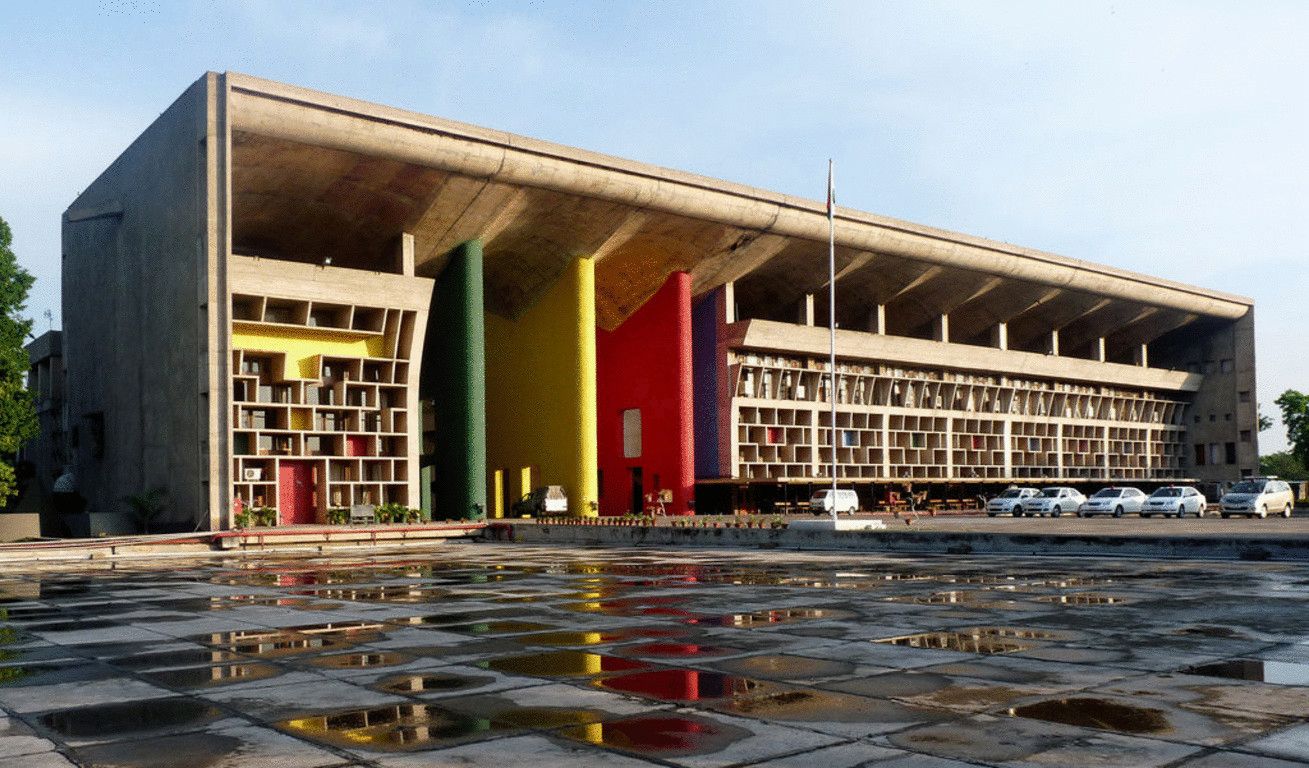
Case Name: Romil Singh and Others v. State of Haryana and Others
Date of Judgment: 22 September 2026.
Citation: CWP-20943-2026
Bench: Hon’ble Ms. Justice Nidhi Gupta
Held: The Punjab and Haryana High Court held that engineering degrees obtained through distance education mode by candidates enrolled during the academic session 2001–2005, which stood validated after the candidates successfully cleared the AICTE-UGC Special Examination conducted pursuant to the Supreme Court’s directions in Orissa Lift Irrigation Corporation Ltd. v. Rabi Sankar Patro, could not be treated as permanently incapable of conferring future service benefits. Once the prescribed test was cleared within the stipulated period, the degrees stood fully revived and the candidates became entitled to the benefits and entitlements available in accordance with law, including consideration for future promotion.
The Court rejected the contention that the expression “additional benefit” used by the Supreme Court in Ashok Kumar v. Depinder Singh Dhesi imposed a perpetual embargo on subsequent promotions. It held that those observations were directed against claiming retrospective benefits or a status which had not been enjoyed at the relevant time; they did not prohibit prospective career progression on the strength of a subsequently validated degree.
Accordingly, employees who had cleared the 2018 AICTE test, including the private respondents before the Court, could lawfully be considered for promotion to the post of Executive Engineer, subject to the applicable service rules and other eligibility conditions. The Court specifically observed that the benefits flowing from such validated degrees could not remain “frozen in time”.
Summary: The writ petition was instituted by Sub-Divisional Engineers in the Haryana Development and Panchayats Department seeking a direction restraining the State from considering certain private respondents for promotion to the post of Executive Engineer. The petitioners contended that the private respondents had obtained engineering degrees through distance education from deemed-to-be universities in Rajasthan and that, in view of the Supreme Court’s decisions concerning such degrees, they could not use those qualifications to secure any further promotional benefit. The petition itself sought a mandamus preventing consideration of the private respondents for promotion on the basis of the Supreme Court decisions in Orissa Lift Irrigation Corporation Ltd. v. Rabi Shankar Patro and Ashok Kumar v. Depinder Singh Dhesi.
Under the Haryana Development and Panchayats Department (Group A) Service Rules, 1988, 50% of the posts of Executive Engineer (Panchayati Raj) are to be filled by promotion from Sub-Divisional Officers. For appointment otherwise than by direct recruitment, Appendix B requires a degree or equivalent qualification in Civil Engineering together with eight years’ experience as a Sub-Divisional Officer.
The petitioners principally relied upon the Supreme Court’s decision in Orissa Lift Irrigation, under which engineering degrees granted through distance education mode by certain deemed universities were subjected to scrutiny, and the subsequent order in Ashok Kumar. Their case was that even where the candidates had successfully cleared the AICTE validation examination, the Supreme Court had protected only those benefits which they were already enjoying and had prohibited the grant of any “additional advantage”. Promotion to Executive Engineer, according to the petitioners, therefore constituted an impermissible additional service benefit.
The private respondents, however, had been enrolled during 2001–2005 and had successfully cleared the special validation examination conducted by AICTE in 2018 in the first attempt. Their case was that the Supreme Court’s directions resulted in full revival and validation of their degrees. They argued that the bar against “additional benefit” concerned retrospective restoration of benefits never previously enjoyed and could not be converted into a permanent disability preventing ordinary future career progression.
Accepting this interpretation, the High Court closely examined the original judgment in Orissa Lift Irrigation, the clarificatory order dated 22 January 2018 and the contempt order in Ashok Kumar. The Court held that the Supreme Court had expressly contemplated full revival of the degrees upon successful clearance of the prescribed test and had further recognised that candidates whose degrees stood restored would be eligible for entitlements available to them in accordance with law.
The Court distinguished between “restoration” of benefits as on the date of the Supreme Court judgment and the acquisition of prospective service benefits after validation. It held that Ashok Kumar could not be read as permanently sterilising a validated degree for future promotional purposes. Such an interpretation, according to the Court, would defeat the object of conducting the AICTE validation examination itself.
The Court also relied upon Division Bench precedent of the Punjab and Haryana High Court, particularly State of Haryana v. Sanjeev Tanwar, where it had been held that a candidate who had cleared the AICTE-UGC examination was entitled to enjoy the fruits of the restored and validated engineering degree. Significantly, the Court noted that the Special Leave Petition against that judgment had been dismissed by the Supreme Court on 28 July 2025.
On the facts, the private respondents had originally been appointed as Junior Engineers on the strength of their diplomas and had subsequently become Sub-Divisional Engineers on the basis of service. Their distance-mode engineering degrees were being relied upon for future career progression to Executive Engineer. Since they had passed the AICTE examination in the first attempt, the Court held that their degrees stood fully revived and placed them at par, for the relevant purpose, with holders of recognised engineering degrees. There was no direction in the Supreme Court judgments imposing a lifetime prohibition on future promotions after successful validation.
Decision: The High Court dismissed the writ petition and declined to restrain the State of Haryana from considering the private respondents for promotion to the post of Executive Engineer. It held that successful clearance of the 2018 AICTE validation test fully revived the engineering degrees of the private respondents and that the service benefits flowing from those degrees could not remain permanently frozen at the position prevailing when the Supreme Court delivered its earlier judgment.
The Court found no legal basis for treating future promotion as an impermissible “additional advantage” merely because the underlying engineering qualification had originally been obtained through distance education mode. Once the degree had been validated in accordance with the mechanism laid down by the Supreme Court, future promotion could be considered in the ordinary course under the applicable service rules.