Profitability Cannot Defeat Section 7 IBC Admission Once Default Is Established: Supreme Court Upholds Hotel Companies’ CIRP, Explains Evidentiary Weight of Information Utility Records
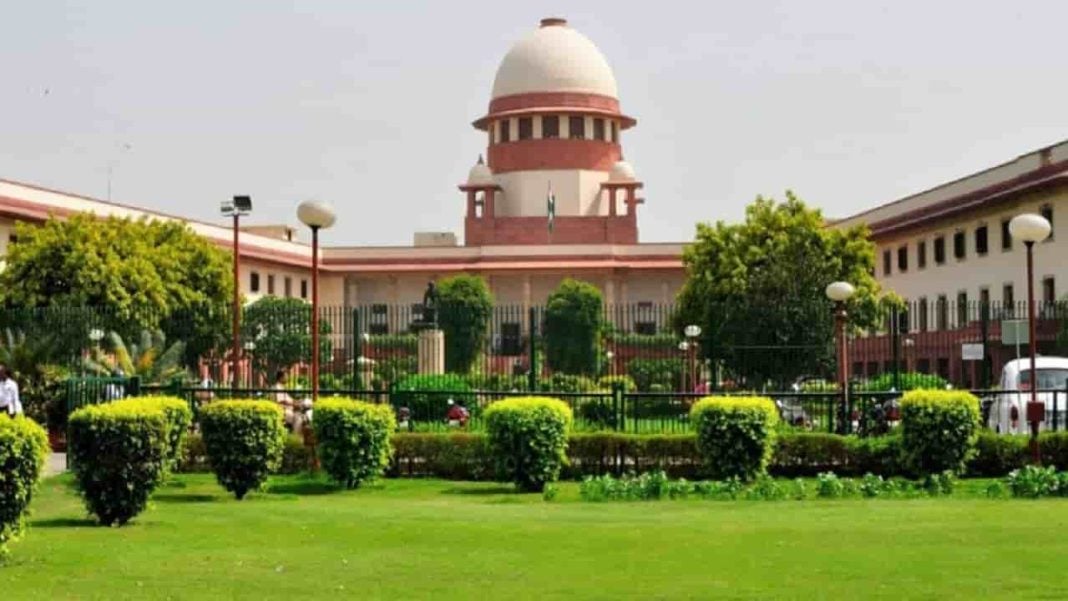
Case Name: Deepak Raheja and Another v. Omkara Assets Reconstruction Private Ltd. and Another, with connected appeal
Date of Judgment: 15 October 2026
Citation: 2026 INSC 1134
Bench: Justice Dipankar Datta and Justice Augustine George Masih.
Held: The Supreme Court held that admission under Section 7 of the Insolvency and Bankruptcy Code, 2016, requires a summary determination of financial debt and default on a preponderance of probabilities, rather than a forensic reconciliation of accounts or final adjudication of the creditor’s entire claim. Where documentary material establishes an unpaid amount exceeding the statutory threshold under Section 4, disputes concerning interest, charges or accounting adjustments do not, by themselves, prevent admission. Detailed verification and quantification of claims belong to the subsequent corporate insolvency resolution process.
The Court recognised a hierarchy of documentary evidence for establishing default. An authenticated Information Utility record is independently sufficient to establish default prima facie and carries a presumption of high evidentiary value. Although not irrebuttable, it can be displaced only by clear, cogent, credible and compelling material, rather than bare denials or bookkeeping disagreements. Other documents, including loan agreements, account statements, acknowledgments and contemporaneous correspondence, may collectively establish default.
The Court further held that profitability and positive EBITDA do not establish a company’s ability to service debt. The Code adopts default, rather than commercial or balance-sheet insolvency, as its jurisdictional trigger and provides for timely intervention before financial distress becomes irreversible.
Summary: The Supreme Court dismissed challenges to the initiation of CIRP against GSTAAD Hotels Private Limited and Neo Capricorn Plaza Private Limited, which own and operate the JW Marriott Hotel in Bengaluru and the Crowne Plaza Hotel in Pune, respectively. The appeals arose from the NCLAT’s judgment affirming fresh admission orders passed by the NCLT, Mumbai, following an earlier remand.
The companies had obtained credit facilities from Piramal entities, including a ₹600 crore lending arrangement and additional facilities under the Emergency Credit Line Guarantee Scheme. The debts were subsequently assigned to Omkara. The borrowers disputed default by relying on a cash management arrangement directing part of hotel revenues towards debt servicing, a debt service reserve mechanism and alleged errors in the treatment of payments and interest. They also relied on their operating profitability to oppose insolvency admission.
Rejecting these objections, the Court found that the contractual cash management mechanism did not exhaust or replace the borrowers’ underlying repayment obligations. The tribunals had considered the reserve-account arguments and found that defaults exceeding the statutory threshold remained even on assumptions favourable to the borrowers. The earlier remand had expressly left the issues open and therefore did not conclusively determine them in the borrowers’ favour.
The Court distinguished the occurrence of default, a historical event crystallising when a due payment remains unpaid, from the outstanding debt, which changes with interest, repayments and adjustments. Section 7 requires ascertainment of the former; it does not require the adjudicating authority to settle every disputed entry before admitting an application. The Court found sufficient support for default in the Information Utility records, account statements, review reports, settlement correspondence and admissions appearing in the record.
Addressing the plea of profitability, the Court explained that EBITDA is calculated before interest and does not establish the availability of funds to meet repayment obligations. GSTAAD’s own audited statements recorded a debt service coverage ratio of 0.12 for the financial year 2022–23, indicating that internal accruals covered only 12 per cent of its debt obligations for that year. Positive operating earnings therefore did not answer the established payment defaults.
The Court also rejected the attempt to reopen Omkara’s status as financial creditor. The validity of the assignment had already been litigated to finality, and a renewed challenge was barred by issue estoppel. Referring to the April 2026 amendments to Section 7(5), the Court noted that the amended provision mandates admission when the statutory conditions are satisfied and expressly recognises the sufficiency of qualifying Information Utility records. It treated the explanations as clarificatory and stated that its reasoning would have remained the same without the amendments.
In a separate closing observation, the Court recorded the respondents’ objection that the appellants’ compilation contained AI-generated, non-existent judgments. It criticised the Advocate-on-Record’s attempt to shift responsibility to the appellants while professing ignorance of the compilation’s contents.
Decision: Both appeals were dismissed. The Supreme Court upheld the NCLT’s orders admitting the Section 7 applications against GSTAAD Hotels Private Limited and Neo Capricorn Plaza Private Limited, as affirmed by the NCLAT .