Arbitrators Cannot Rewrite Contract to Grant Specific Performance: Supreme Court Upholds Setting Aside of Award, Orders Refund with 9% Interest
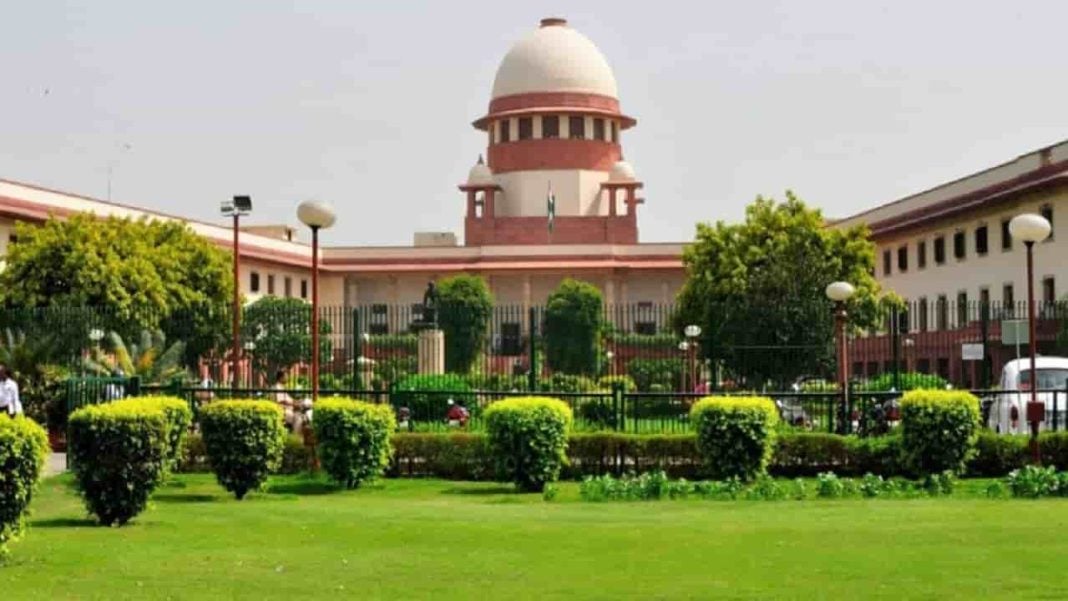
Case Name: Shreeram Builders v. Upendra Kantilal Thanawala and Others.
Date of Judgment: 29 October 2026.
Citation: 2026 INSC 1176.
Bench: Justices Sanjay Kumar and Sanjeev Sachdeva.
Held: The Supreme Court held that an arbitral tribunal cannot disregard express contractual obligations, alter their agreed sequence or substitute new terms while granting specific performance. Upholding the setting aside of the majority award, the Court found that the arbitrators had violated Section 28(3) of the Arbitration and Conciliation Act, 1996 by effectively rewriting the parties’ agreement.
The Court also clarified that an agreement’s legal character depends on the rights and obligations it creates, rather than its title or the stamp duty paid. Regardless of whether the document was classified as a development agreement or an agreement to sell, its express terms remained binding. Exercising Article 142 jurisdiction, the Court directed the landowners to refund the amounts received under the agreement with 9% simple interest, as they had retained the consideration despite terminating the contract.
Summary: The dispute arose from an agreement dated 6 August 2003 between Shreeram Builders and members of the Thanawala family concerning their undivided 2/9th share in property at Thane. Although titled an “Agreement for Development”, the document also contemplated eventual conveyance of the landowners’ share, subject to performance of the stipulated obligations. The landowners terminated the agreement on 9 April 2008, leading to arbitration.
A majority award dated 10 December 2011 declared the termination illegal and granted specific performance upon the builder depositing ₹10,91,30,164. The award increased the contractual rate sixfold and also provided alternative damages if the relief of specific performance was subsequently overturned. The District Court ultimately upheld the award under Section 34, but the Bombay High Court set it aside in proceedings under Section 37.
Before the Supreme Court, the builder relied on substantial payment of consideration and expressed willingness to accept the enhanced consideration fixed by the arbitrators. The Court, however, emphasised that it was examining the validity of an arbitral award rather than deciding a regular appeal against a decree for specific performance.
The Bench found that the agreement prescribed time-bound payments and linked the final consideration to matters including sanctioned Floor Space Index, possible regularisation of additional land and construction of basements. The builder had not secured a sanctioned plan, the consideration remained indeterminate, and even the estimated consideration had not been fully paid within the contractual period. Acceptance of six delayed instalments without protest cured those particular delays; it did not extinguish the remaining payment deadlines or the stipulation that time was of the essence.
The award nevertheless directed conveyance without satisfaction of the contractual requirements. It also brought part of expressly excluded property within the proposed conveyance, adjusted payments outside the governing agreement and adopted a sixfold increase in the agreed rate without a reasoned computation. The alternative damages direction was likewise found unsustainable.
The Court rejected the High Court’s reliance on the document’s title and lower stamp duty as decisive of its character. However, that disagreement did not affect the outcome because the award’s departure from the express contractual terms independently justified interference. The Court applied the unamended Section 34, since the challenge applications had been filed.
Decision: The Supreme Court declined to restore the majority award and sustained its setting aside. However, it held that the landowners could not terminate the agreement while retaining the consideration received, particularly when the contract required repayment where no construction had taken place.
To avoid another round of litigation, the Court invoked Article 142 and directed refund of the amounts paid under the agreement with simple interest at 9% per annum from the date of each payment until actual refund.