SC: Writ of habeas corpus cannot secure premature release of life convicts; only competent authorities under remission scheme can decide
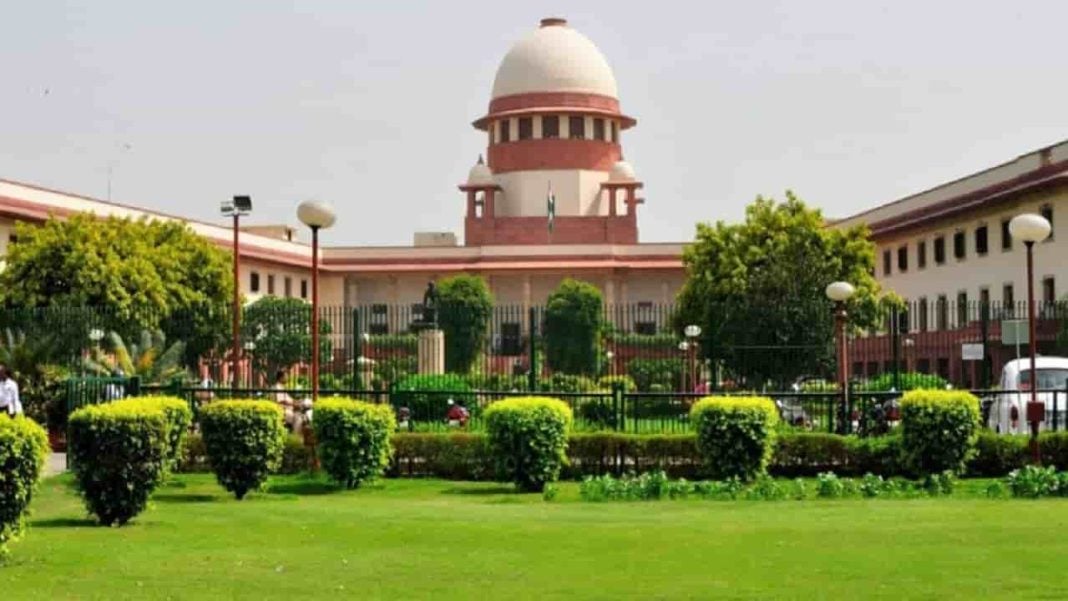
Case Name: The Home Secretary (Prison) & Others v. H. Nilofer Nisha & Others
Date of Judgment: JANUARY 23, 2020
Citation: Criminal Appeal Nos. 144–148 of 2020 (arising out of SLP (Crl.) Nos. 626/2020, 627/2020, 7697/2019, 6159/2019 & 11494/2019)
Bench: Hon’ble Mr. Justice Deepak Gupta
Held: The Supreme Court held that habeas corpus lies only in cases of unlawful detention and not where a person is in custody pursuant to a valid conviction and sentence. Life imprisonment means imprisonment for the remainder of the convict’s natural life unless remitted or commuted. Premature release under Government Orders or remission policies is not a right of the prisoner but a privilege to be considered by the competent authorities. High Courts, therefore, cannot themselves order release of life convicts through habeas corpus petitions; at best, they may direct the State to decide pending representations within a reasonable time.
Summary: The appeals arose from orders of the Madras High Court directing immediate release of life convicts under Tamil Nadu G.O.(Ms.) No.64 dated 01.02.2018, issued in commemoration of M.G. Ramachandran’s centenary. The scheme permitted premature release of certain life convicts subject to conditions, including satisfactory conduct and absence of risks to victims’ families. The High Court had ordered release despite adverse probation reports citing communal tensions and risk to safety. The State of Tamil Nadu and prison authorities challenged the orders, contending that detention after conviction was legal and habeas corpus was not maintainable. The Supreme Court agreed, ruling that the High Court exceeded its jurisdiction. While reaffirming that prisoners retain fundamental rights even in custody, the Court emphasized that decisions on remission, parole or premature release lie exclusively with designated committees. However, considering long incarceration and reformative steps like education and vocational training, the Court, in exercise of Article 142 powers, directed release of certain detenus to avoid further litigation.
Decision: Appeals allowed in part. Orders of the Madras High Court releasing convicts through habeas corpus quashed as beyond jurisdiction. However, the Court directed that detenus’ representations be decided expeditiously under G.O.(Ms.) No.64. In exceptional cases, release was granted under Article 142 of the Constitution.