SC: Conviction overturned after 35 years—prosecution failed to prove genesis, place, and reliability of eyewitnesses in murder case
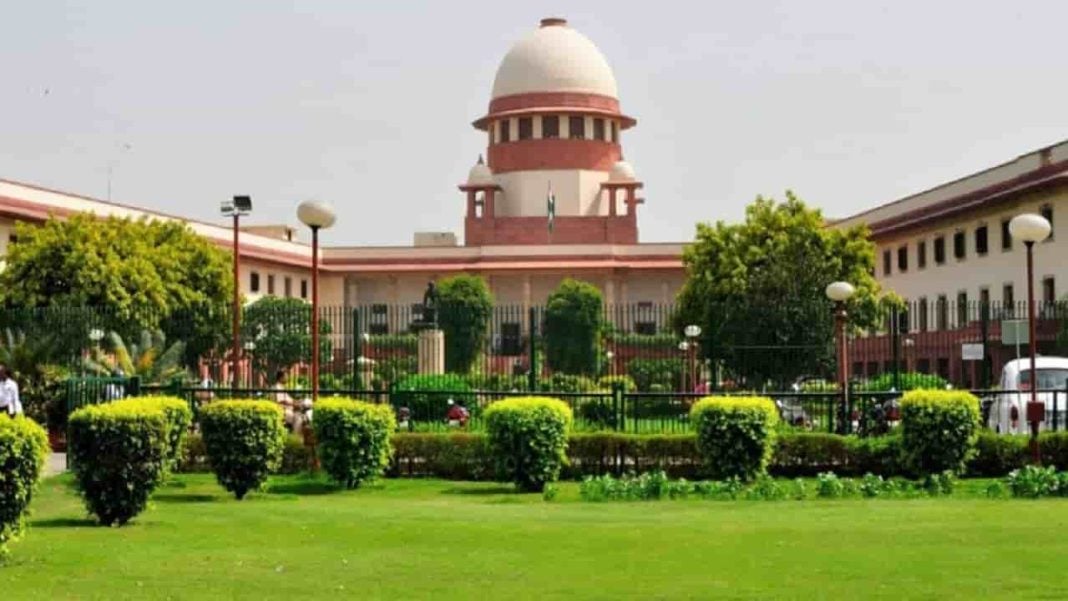
Case Name: Kannaiya v. State of Madhya Pradesh
Citation: Criminal Appeal No. 116 of 2012
Date of Judgment: 17 October 2025
Bench: Justice Sanjay Karol and Justice Sandeep Mehta
Held: The Supreme Court set aside the conviction of Kannaiya and three co-accused under Section 302 IPC, holding that the prosecution failed to establish the genesis of the occurrence, consistency of place of incident, or credibility of its key eyewitnesses. The Court found that both alleged eyewitnesses gave materially contradictory versions and that the FIR’s narrative regarding demolition of a hut leading to the assault was fundamentally altered at trial. Once the origin and manner of occurrence became doubtful, the conviction could not stand.
Summary: The case arose from a 1990 incident in Indore district where Ramesh was fatally assaulted. Ten accused were charged; six were acquitted, while four including Kannaiya were convicted for murder. The prosecution relied on two witnesses, Puniya (PW-12) and Madho Singh (PW-5). However, their testimonies diverged sharply: Puniya claimed the assault occurred in one field, while Madho Singh placed it near his house. Each denied the other’s presence. The site inspection plan did not support either account, and crucial witnesses, including the informant and the hut owner, turned hostile. The Court held that both witnesses were unreliable—one wholly and the other only partially credible without corroboration.
The Court reiterated that when the prosecution suppresses the origin or shifts the scene of occurrence, the accused must be given the benefit of doubt. It relied on precedents such as Pankaj v. State of Rajasthan (2016) and Bhagwan Sahai v. State of Rajasthan (2016), emphasizing that conviction cannot rest on uncertain, contradictory evidence, especially in politically motivated village rivalries.
Decision: Appeal allowed. The conviction and sentence of Kannaiya and his three co-accused Govardhan, Raja Ram, and Bhima were quashed under Article 142 of the Constitution. All four were acquitted of all charges and ordered to be released forthwith if not required in any other case.