Bank Cannot Settle Loan Before DRT and Later Start Criminal Case on Same Transaction: Supreme Court Protects Finality of Banking Settlements
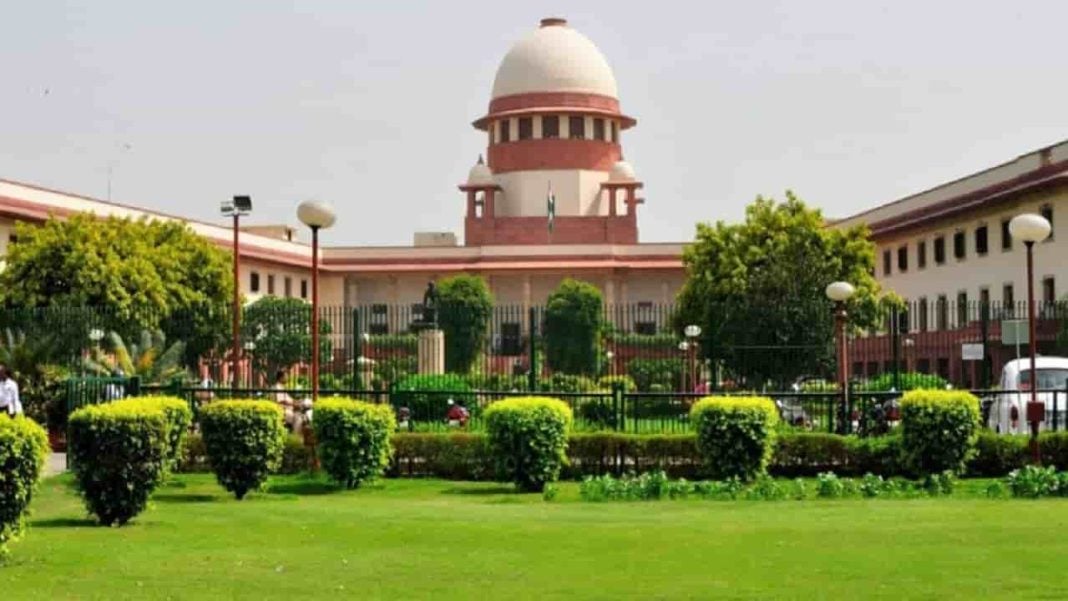
Case Name: Vijay Kumar Kela & Anr. v. Central Bureau of Investigation & Anr.
Citation: 2026 INSC 588
Date of Judgment/Order: May 29, 2026
Bench: Justice B.V. Nagarathna and Justice Ujjal Bhuyan
Held: The Supreme Court held that where a banking dispute arising out of commercial loan transactions has been fully settled through an approved compromise before the Debts Recovery Tribunal, and the bank has issued a no-dues certificate after receiving the settlement amount, belated criminal prosecution on the same transaction may amount to abuse of process. The Court clarified that offences involving commercial, financial or mercantile transactions with overwhelmingly civil flavour may be quashed under Section 482 CrPC after settlement, particularly where the possibility of conviction is remote and continuation of prosecution would cause oppression and prejudice. The Court further held that a bank cannot, after accepting settlement before the DRT and certifying that there were no documentation lapses, later initiate criminal proceedings on suspected fraud which it had allegedly noticed before settlement but chose not to act upon.
Summary: The appellants had availed cash credit and letter of credit facilities from UCO Bank, secured by primary and collateral securities. After business difficulties and default, the loan account was declared NPA and the bank initiated SARFAESI proceedings and filed recovery proceedings before the DRT. During the DRT proceedings, the parties entered into a compromise for INR 4.25 crore against outstanding dues of about INR 6.49 crore. The compromise was approved by the bank’s competent authority, recorded before the DRT, fully paid by the appellants, and followed by a no-dues certificate dated September 30, 2015. The DRT then dismissed the bank’s OA as withdrawn. More than two years later, the bank lodged a complaint with CBI alleging that the appellants had submitted forged audit reports and substituted valuable mortgaged properties with encroached property. The CBI filed chargesheet under Sections 420 and 471 IPC, and the Magistrate framed charges. The High Court refused to quash the proceedings. The Supreme Court held that the bank’s conduct lacked good faith because it claimed to have suspected fraud in 2013, yet entered into the compromise in 2015, certified no documentation irregularity in the compromise proposal, accepted full settlement, obtained closure before the DRT, and thereafter initiated criminal prosecution after delay.
Decision: The Supreme Court allowed the appeal, set aside the Chhattisgarh High Court order dated July 5, 2024, and quashed the chargesheet dated November 27, 2018 as well as the charge-framing order dated February 20, 2023 passed by the Special Judicial Magistrate. The Court held that continuing the prosecution would be oppressive, prejudicial and an abuse of the process of court, since the dispute arose from banking and commercial transactions, had been settled with DRT imprimatur, and the possibility of conviction was remote and bleak. The Court also cautioned that allowing banks to pursue criminal prosecution after concluded DRT settlements would undermine the sanctity of judicially endorsed settlements and discourage commercial resolution of banking disputes. No costs were awarded.