Can a Government Employee Acquiring Disability During Service Be Medically Invalidated Without Offering an Alternative Post? Supreme Court Answers
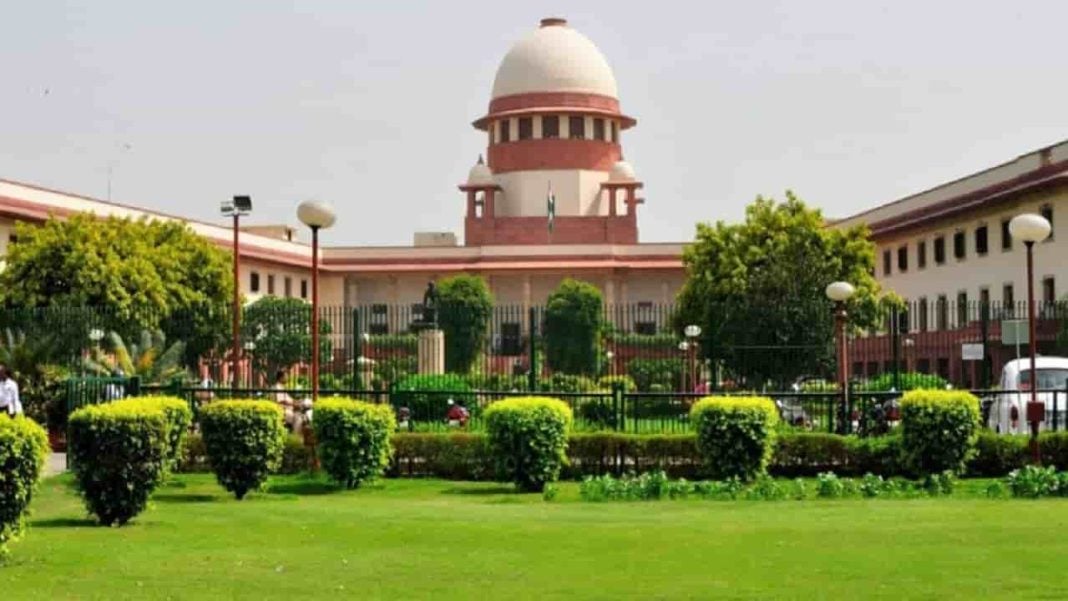
Case Name: Union of India & Others v. Bali Ram
Date of Judgment: 13 July 2026
Citation: 2026 INSC 689 | Civil Appeal No. 13783 of 2015
Bench: Justice Dipankar Datta and Justice Augustine George Masih
Held: The Supreme Court held that a government employee who acquires a disability during service cannot be medically invalidated or removed from service without first complying with the mandatory requirements of Section 47 of the Persons with Disabilities (Equal Opportunities, Protection of Rights and Full Participation) Act, 1995. The Court reiterated that if the employee becomes unfit for the post held, the employer is under a statutory obligation to provide an alternative post with the same pay and service benefits or place the employee on a supernumerary post until superannuation. The Court also held that the 2002 notification exempting combatant personnel of the CRPF from Section 47 operates prospectively and does not validate actions taken before its issuance.
Summary: The respondent, a Constable (Driver) in the Central Reserve Police Force (CRPF), developed a serious eye condition during service, resulting in complete blindness in one eye and partial loss of vision in the other. In 1998, he was medically invalidated from service after being declared permanently unfit by the Medical Board. His subsequent representations seeking relief were rejected, leading him to approach the Himachal Pradesh High Court.
The Single Judge allowed the writ petition by invoking Section 47 of the Persons with Disabilities Act, 1995 and directed the respondent’s reinstatement with consequential benefits. The Division Bench affirmed the decision, holding that the CRPF had violated its statutory obligation to protect an employee who acquired a disability during service.
Before the Supreme Court, the Union of India contended that the respondent could not be retained in service due to his disability and relied on the 2002 notification exempting combatant personnel from the operation of Section 47. Rejecting the contention, the Court held that the notification had only prospective effect and could not apply to the respondent’s invalidation in 1998. The Court further observed that welfare legislation must receive a liberal interpretation and that the employer was duty-bound to accommodate the respondent by providing an alternative post instead of terminating his service.
Decision: The Supreme Court dismissed the appeal and upheld the finding that the respondent’s medical invalidation was illegal. However, considering that the respondent had already attained the age of superannuation, the Court modified the relief granted by the High Court and directed the Union of India to pay him ₹1.25 crore, inclusive of back wages, interest and costs, within eight weeks. It also directed the Legal Services Authority to assist the visually impaired respondent in safely investing the compensation and addressing his future medical needs.