Cancellation of Bail Requires Supervening Circumstances: Supreme Court Refuses to Interfere with High Court’s Order After 6.5 Years’ Pre-Trial Custody
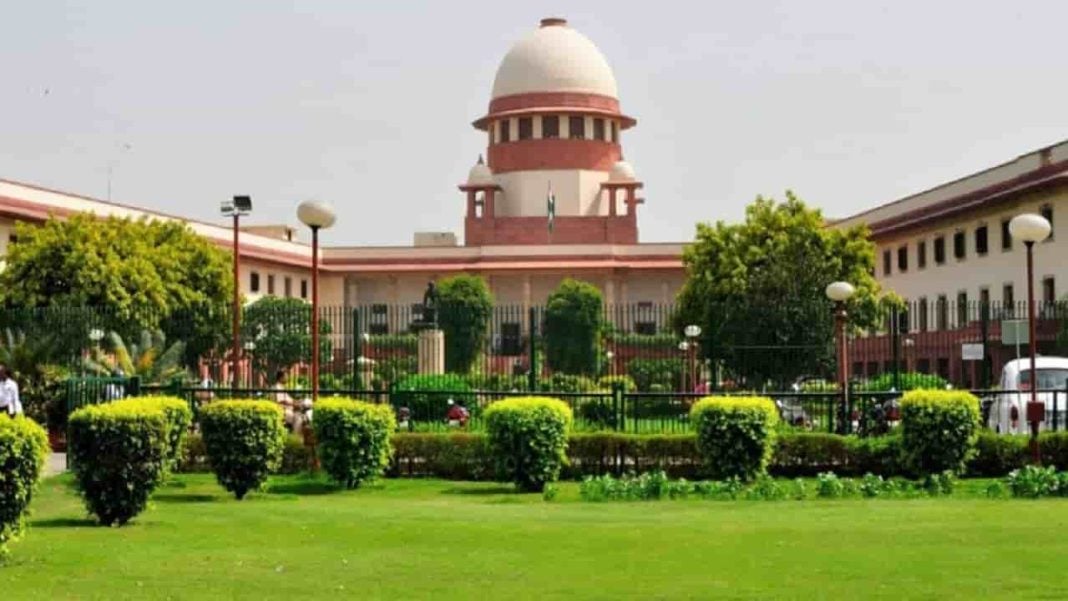
Case Name: Usman Ali v. State of Uttar Pradesh & Anr.
Citation: 2026 INSC 98
Date of Judgment/Order: 30 January 2026
Bench: Justice Sanjay Karol and Justice Prashant Kumar Mishra
Held: The Supreme Court held that cancellation of bail requires supervening circumstances such as misuse of liberty, interference with the course of justice, or likelihood of absconding, and that bail once granted should not be cancelled in a mechanical manner. In the present case, considering that the accused was not named in the FIR, had been implicated subsequently on the basis of oral dying declaration and disclosure statement, had undergone approximately six and a half years of pre-trial incarceration, and had not misused the liberty granted after release on bail, no ground was made out to interfere with the High Court’s order granting bail.
Summary: The appellant challenged the Allahabad High Court’s order dated 22.01.2025 granting bail to respondent No.2, who was accused under Sections 147, 148, 149, 302, 120B and 34 IPC and Section 7 of the Criminal Law (Amendment) Act in connection with the murder of a Panchayat Chairman in 2018. It was argued that the respondent was a habitual offender with criminal history, had local influence, and posed threat to witnesses. The Amicus Curiae, however, emphasized the settled distinction between rejection of bail and cancellation of bail, relying upon Mahipal, Dolat Ram, Ram Govind Upadhyay and Manjit Prakash. The Supreme Court noted that respondent No.2 was not named in the FIR and was arrested later on the basis of oral dying declaration and disclosure statement; that only 13 out of 55 witnesses had been examined; that co-accused had been granted bail; and that the respondent had already undergone prolonged incarceration before release. Applying the principles governing cancellation of bail, the Court found no material to demonstrate misuse of liberty or supervening circumstances warranting interference.
Decision: The Supreme Court dismissed the appeal seeking cancellation of bail, upheld the High Court’s order dated 22.01.2025 granting bail to respondent No.2, and declined to interfere with the discretionary order, holding that the case did not warrant cancellation of bail. There was no order as to costs.