Delhi High Court Has Writ Jurisdiction Against CAPF Service Termination When Union and Force Headquarters Are in Delhi: Supreme Court
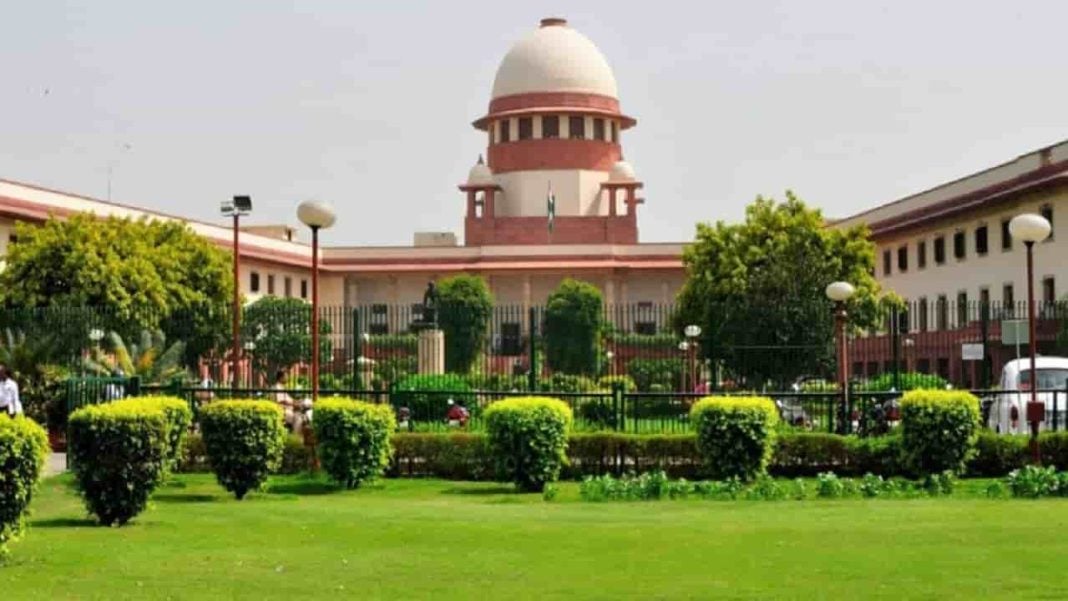
Case Name: Baksish Ahmad v. Union of India & Anr.
Citation: 2026 INSC 630
Date of Judgment/Order: 09 June 2026
Bench: Dipankar Datta, J. and Satish Chandra Sharma, J.
Held: The Supreme Court held that the Delhi High Court has territorial jurisdiction under Article 226(1) of the Constitution to entertain a writ petition filed by a member of the Central Armed Police Forces, including the BSF, challenging an administrative order of service termination, where the Union of India and the Director General/controlling authority of the force have their offices in Delhi. The Court held that even if the cause of action arose outside Delhi, such as where the dismissal order was issued or where the statutory appeal was rejected, the situs of the necessary respondent authorities in Delhi confers jurisdiction. The doctrine of forum non conveniens may rarely apply when writ jurisdiction is invoked under Article 226(1), particularly where the petitioner has approached a forum convenient to the respondents themselves.
Summary: The appellant, a BSF constable, was dismissed from service after a Staff Court of Inquiry found that he had contracted a second marriage during the subsistence of his first marriage without permission, violating the BSF Rules and CCS Conduct Rules. The show cause notice and dismissal order were issued in West Bengal, while his statutory petition under Rule 28A of the BSF Rules was rejected by the Inspector General, Frontier Headquarters, BSF, Jammu. The appellant approached the Delhi High Court, contending that the offices of the Director General, BSF and the Ministry of Home Affairs were located in Delhi. The Delhi High Court declined to entertain the writ petition by applying the doctrine of forum non conveniens, holding that the appropriate forums were in West Bengal or Jammu and Kashmir. Reversing that view, the Supreme Court examined Article 226(1) and 226(2), Abrar Ali v. CISF, Ranjeet Mal, Eastern Coalfields, Dinesh Chandra Gahtori, Kusum Ingots and Arif Azim, and held that although several High Courts may have jurisdiction based on cause of action, Delhi High Court was also a competent forum because the necessary respondent authorities were situated in Delhi.
Decision: The Supreme Court allowed the appeal against dismissal of the writ petition, set aside the Delhi High Court’s order dated 10.01.2025, and revived the appellant’s writ petition for decision on merits in accordance with law. The respondents were granted two months to file their counter affidavit, and the appellant was granted one month thereafter to file rejoinder, if any. The appeal against dismissal of the review petition was dismissed as not maintainable since no appeal lies against such an order. All connected applications were disposed of.