Compassionate Appointment Cannot Be Denied on Ground of Delay Where Dependent Was Minor at Time of Employee’s Death; Six-Month Limitation Cannot Be Applied Rigidly: Punjab and Haryana High Court
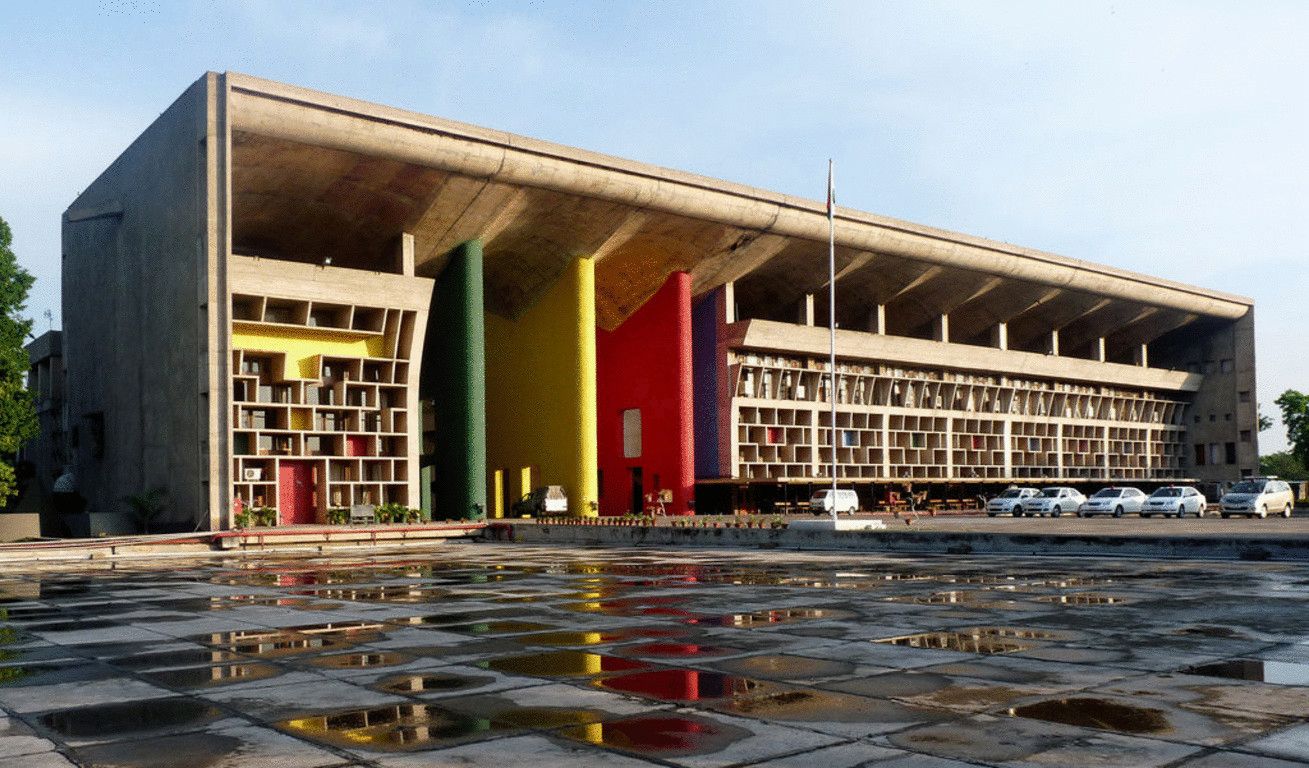
Case Name: Rahul Khan v. State of Haryana and Others
Date of Judgment: 13 October 2026
Citation: CWP No. 33034 of 2024
Bench: Hon’ble Ms. Justice Nidhi Gupta
Held: The Punjab and Haryana High Court held that a claim for compassionate appointment cannot be rejected merely for non-compliance with the six-month limitation prescribed under Rule 8(a) of the Haryana Civil Services (Compassionate Financial Assistance or Appointment) Rules, 2019, without considering the dependent’s minority and unavoidable circumstances contributing to the delay.
The Court observed that when Rule 15(e) of the same Rules preserves the claim of orphaned children until they attain majority, denying comparable consideration to other minor dependents would give rise to discrimination. The beneficial object of compassionate appointment requires a sympathetic rather than hyper-technical approach, particularly where the delay is not deliberate.
Summary: The petitioner sought compassionate appointment following the death of his father, a government school PTI teacher, on 20.01.2020. Being a minor at the time, the petitioner attained majority on 30.04.2022 and submitted his application on 02.09.2022. However, the Haryana Government rejected his claim on 28.12.2022 for failure to apply within six months of his father’s death, as prescribed under Rule 8(a) of the 2019 Rules.
The principal issue was whether the prescribed six-month period could operate as an absolute bar against a dependent who was legally ineligible for appointment during his minority, particularly when the delay was also attributed to the COVID-19 pandemic.
The Court observed that an application submitted during the petitioner’s minority could not have been entertained. It further noted that Rule 15(e) expressly preserves compassionate appointment claims of orphaned children until one of them attains the minimum age for government service. The Court found no justification for denying similar consideration to other minor dependents, as such differential treatment could result in discrimination.
Emphasising the welfare objective of the 2019 Rules, the Court considered the family’s financial hardship and the absence of deliberate delay. It relied upon Ashok Kumar v. State of Haryana, CWP No. 5277 of 2020, decided on 11.07.2022, to reiterate that procedural timelines should not be applied rigidly where unavoidable circumstances, including minority, prevent timely consideration of a compassionate appointment claim.
The Court also distinguished the Supreme Court’s three-Judge Bench decision in Tinku v. State of Haryana, relied upon by the State, observing that the dependent in that case attained majority 11 years after the employee’s death, whereas the present petitioner attained majority approximately two years after his father’s death.
Decision: The High Court allowed the writ petition and directed the respondents to reconsider the petitioner’s claim for compassionate appointment in accordance with his entitlement under law. The Court found the rejection based solely on the six-month application deadline untenable in the peculiar circumstances of the case.