Compassionate Assistance Under 2006 Rules Deductible from Motor Accident Compensation: Supreme Court Restores Deduction Principle
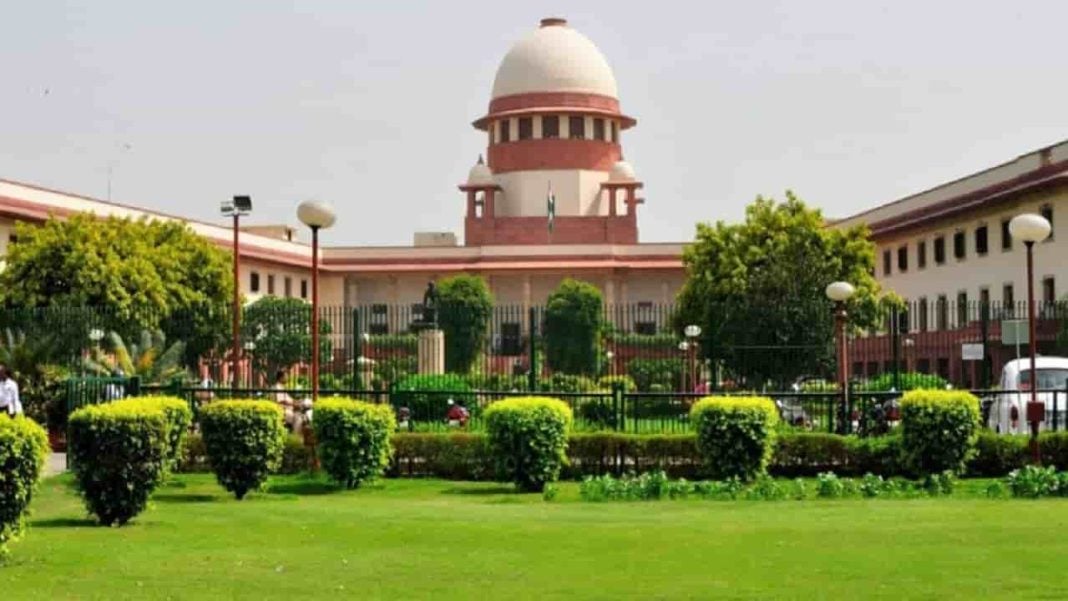
Case Name: Reliance General Insurance Company Limited v. Kanika & Ors.
Citation: 2026 INSC 188; Civil Appeal Nos. 2506–2507 of 2026 (Arising out of SLP (Civil) Nos. 26979–80 of 2025)
Date of Judgment/Order: 24 February 2026
Bench: Hon’ble Mr. Justice Sanjay Karol and Hon’ble Mr. Justice Augustine George Masih
Held: The Supreme Court held that financial assistance received under the Haryana Compassionate Assistance to Dependents of Deceased Government Employees Rules, 2006, to the extent that it substitutes loss of income, is liable to be deducted from compensation awarded under the Motor Vehicles Act, 1988, in order to prevent double recovery. The Court further held that a High Court exercising appellate jurisdiction under Section 173 of the Motor Vehicles Act cannot, under the guise of clarification, substantively alter its concluded judgment by modifying the quantum of compensation, as such exercise amounts to review and must conform to Order XLVII CPC.
Summary: The deceased, a government employee drawing a monthly salary of Rs. 21,805, died in a motor vehicle accident on 2 November 2009. The Motor Accidents Claims Tribunal awarded compensation of Rs. 8,80,000 with interest. On appeal, the High Court enhanced the compensation to Rs. 29,09,240 but directed deduction of amounts received under the 2006 Rules. Subsequently, on a clarification application, the High Court modified its earlier direction and held that the entire amount received under the 2006 Rules would not be deductible, thereby effectively increasing the payable amount. The insurer challenged this modification before the Supreme Court. The Court examined the decisions in Reliance General Insurance v. Shashi Sharma and National Insurance Co. Ltd. v. Birender, and clarified that both judgments are consistent: Shashi Sharma lays down the substantive rule that overlapping income-replacement benefits must be deducted, while Birender addresses the procedural stage and evidentiary basis for such deduction. The Court also analysed the scope of Sections 151 and 152 CPC, reiterating that clerical corrections are permissible but substantive modification of compensation under the guise of clarification is impermissible.
Decision: The appeals were allowed, the High Court’s order passed in review was set aside, and the original main order directing deduction of compensation received under the 2006 Rules was restored. The claimant-respondents were directed to file an affidavit before the Tribunal disclosing amounts received, if any, under the 2006 Rules for appropriate deduction, with interest payable from the date of institution of the claim petition, and the balance amount to be released within six weeks of determination. Pending applications were closed with no order as to costs.