• Call Us+91 7388255933
  • Email Uslawgiconivisam@gmail.com
LaWGiCo
  • Home
  • Law Updates
    • PIL is not maintainable in service matters: Supreme Court
  • Publications
  • About Us
  • Features
  • FAQ
  • Contact Us
Login Register

Compensatory Allowances Must Be Included in “Ordinary Rate of Wages” for Overtime Under Section 59(2) Factories Act: Supreme Court Rejects Executive Exclusions
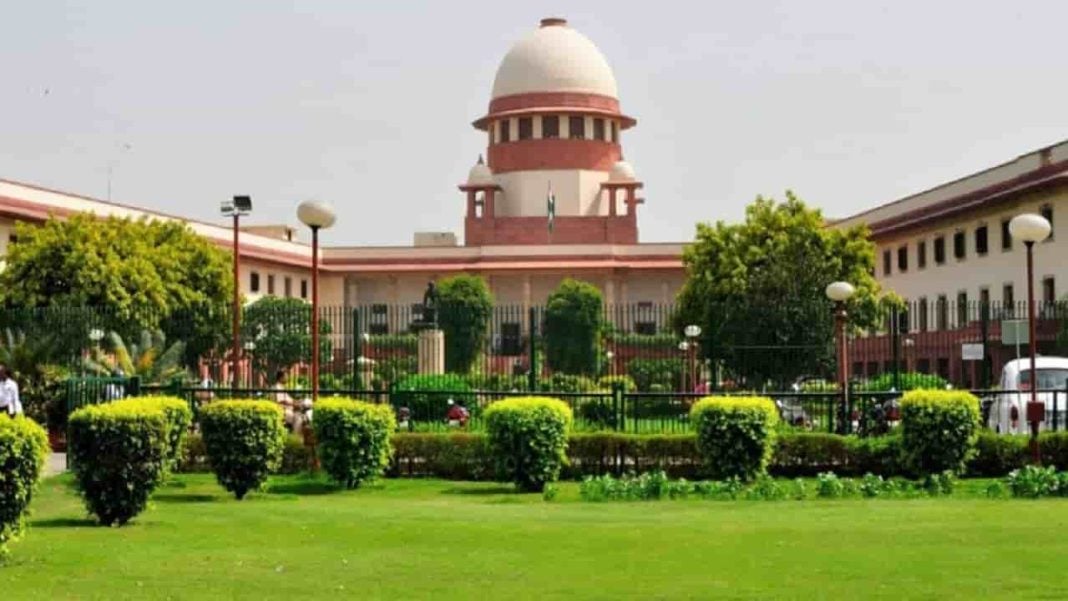
Compensatory Allowances Must Be Included in “Ordinary Rate of Wages” for Overtime Under Section 59(2) Factories Act: Supreme Court Rejects Executive Exclusions

Case Name: Union of India & Others v. Heavy Vehicles Factory Employees’ Union & Another
Citation: 2026 INSC 74

Date of Judgment/Order: 20 January 2026

Bench: Justice Rajesh Bindal and Justice Manmohan

Held: The Supreme Court held that the expression “ordinary rate of wages” under Section 59(2) of the Factories Act, 1948 includes basic wages plus all allowances to which a worker is for the time being entitled, except bonus and overtime wages, and that compensatory allowances such as House Rent Allowance, Transport Allowance, Clothing and Washing Allowance and Small Family Allowance cannot be excluded by executive instructions. The Court ruled that various Office Memorandums issued by different Ministries lacked statutory authority and could not override the plain language of Section 59(2). The Kerala High Court judgment in V.E. Jossie to the contrary was expressly held not to lay down the correct law.

Summary: The dispute arose from claims of employees of defence factories seeking inclusion of HRA, TA, CWA and SFA in the computation of overtime wages under Section 59 of the Factories Act. The Union of India relied on a series of Office Memorandums issued by the Ministries of Defence, Finance and Labour excluding such compensatory allowances from overtime calculations. The Central Administrative Tribunal dismissed the employees’ applications; however, the Madras High Court reversed the CAT’s decision, holding that executive memoranda could not read additional exclusions into Section 59(2). Before the Supreme Court, the Union contended that compensatory allowances varied among employees and that inclusion would cause financial burden. The Court examined the scheme of Chapter VI of the Factories Act, particularly Sections 59, 64 and 65, and held that rule-making power is vested in the State Government, and no power is conferred on Central Ministries to reinterpret or restrict statutory entitlements. Relying on Gujarat Mazdoor Sabha and settled principles of statutory construction, the Court emphasized that beneficial labour legislation must be liberally construed and that the legislature consciously excluded only bonus and overtime wages from the definition. It further noted inconsistency in interpretation even within different Central Ministries, such as Railways including allowances for overtime computation.

Decision: The Supreme Court dismissed the appeals filed by the Union of India, upheld the judgment of the Madras High Court directing inclusion of compensatory allowances in calculating overtime wages under Section 59(2) of the Factories Act, and declared that executive instructions excluding such allowances are without legal authority. Pending applications were disposed of with no order as to costs.

Click here to Read/Download the Order

If You Need Any Help Contact LaWGiCo

+91 7388255933

Contact us today!

image

Whether you’re a litigant, a legal counsel, or a corporation — LaWGiCo bridges the gap between law and accessibility.

Quick Links

  • Home
  • Features
  • FAQ
  • Law Updates
  • Contact Us

Resources

  • About us
  • Privacy Policy
  • Cookie Policy
  • Terms & Conditions

Contact us

268 GR FLR HIMSHIKHA COLONY PANCHKULA C.R.P.F. Pinjore Panchkula Haryana India 134104

+91 7388255933

lawgiconivisam@gmail.com

Open Time

Opening Day:
Monday - Friday: 8am to 6pm
Saturday: 9am to 5pm

Vacation:
All Sunday's

Copyright © 2025 LaWGiCo | All Rights Reserved