Conviction Can Rest Solely on Reliable Dying Declaration: Supreme Court Restores Murder Conviction Set Aside by High Court
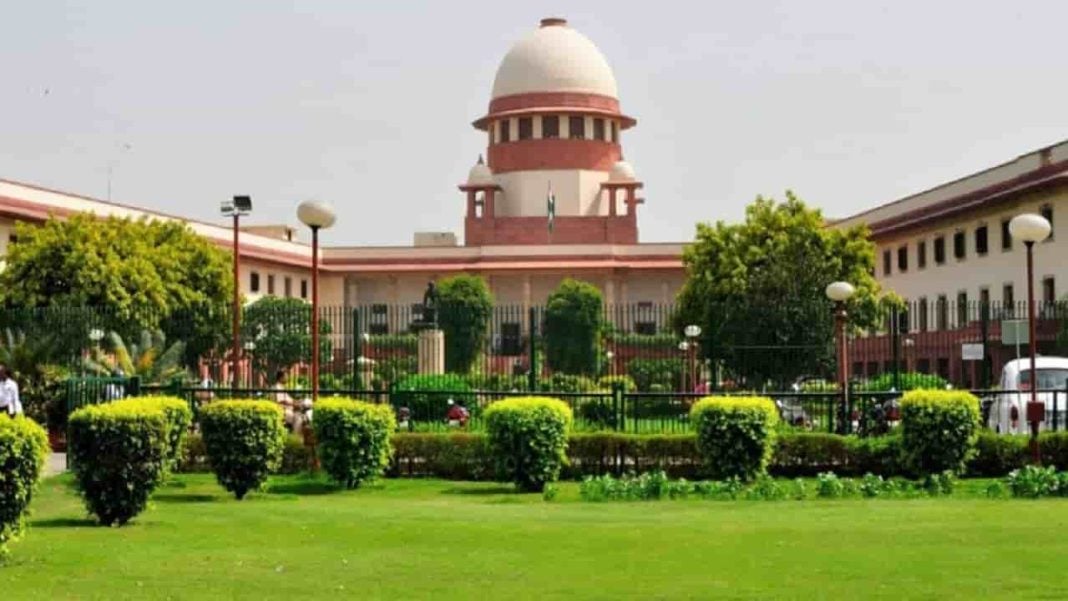
Case Name: State of Himachal Pradesh v. Chaman Lal
Citation: 2026 INSC 57
Date of Judgment/Order: 15 January 2026
Bench: Justice B.V. Nagarathna and Justice R. Mahadevan
Held: The Supreme Court held that a conviction based solely on dying declaration is legally permissible when the declaration is voluntary, truthful, and recorded in accordance with law. The Court found that the dying declaration recorded by the Tehsildar-cum-Executive Magistrate, after obtaining medical opinion regarding fitness, clearly and unequivocally attributed the act of pouring kerosene and setting the deceased on fire to the respondent. The High Court erred in discarding this crucial evidence on minor discrepancies regarding the timing and manner of recording. The dying declaration inspired full confidence and required no corroboration, and the acquittal was based on a misappreciation of evidence.
Summary: The prosecution case was that on 07.12.2009, the respondent-husband poured kerosene on his wife Saro Devi and set her ablaze at their residence in District Chamba, Himachal Pradesh. The deceased suffered approximately 70% burn injuries and later succumbed to septic shock on 15.01.2010. On 08.12.2009, her statement was recorded in the hospital by the Tehsildar (PW-1) after medical certification of her fitness, in the presence of the Deputy Superintendent of Police (PW-10). In her dying declaration, she stated that her husband had poured kerosene on her and set her on fire after abusing her and calling her a “Kanjri.” The trial Court relied upon this dying declaration and convicted the respondent under Section 302 IPC. However, the High Court reversed the conviction and acquitted the respondent, primarily doubting the dying declaration on alleged inconsistencies regarding the time of recording and the presence of police officers. The Supreme Court examined settled principles governing dying declarations under Section 32(1) of the Evidence Act, including Khushal Rao, Paniben, Laxman, and Veerpal, and reiterated that a truthful and voluntary dying declaration can form the sole basis of conviction. The Court held that the High Court adopted a hyper-technical approach and wrongly relied upon hostile and defence witnesses while ignoring cogent and consistent prosecution evidence.
Decision: The Supreme Court allowed the appeal filed by the State, set aside the High Court’s judgment of acquittal, restored the trial Court’s conviction and sentence of life imprisonment under Section 302 IPC, and directed the respondent to surrender forthwith to undergo the remaining sentence, failing which appropriate steps were to be taken in accordance with law. Pending applications, if any, stood disposed of.