Equal Pay for Equal Work Applies to PUNBUS Drivers & Conductors: Punjab & Haryana High Court Grants Pay Parity with Punjab Roadways
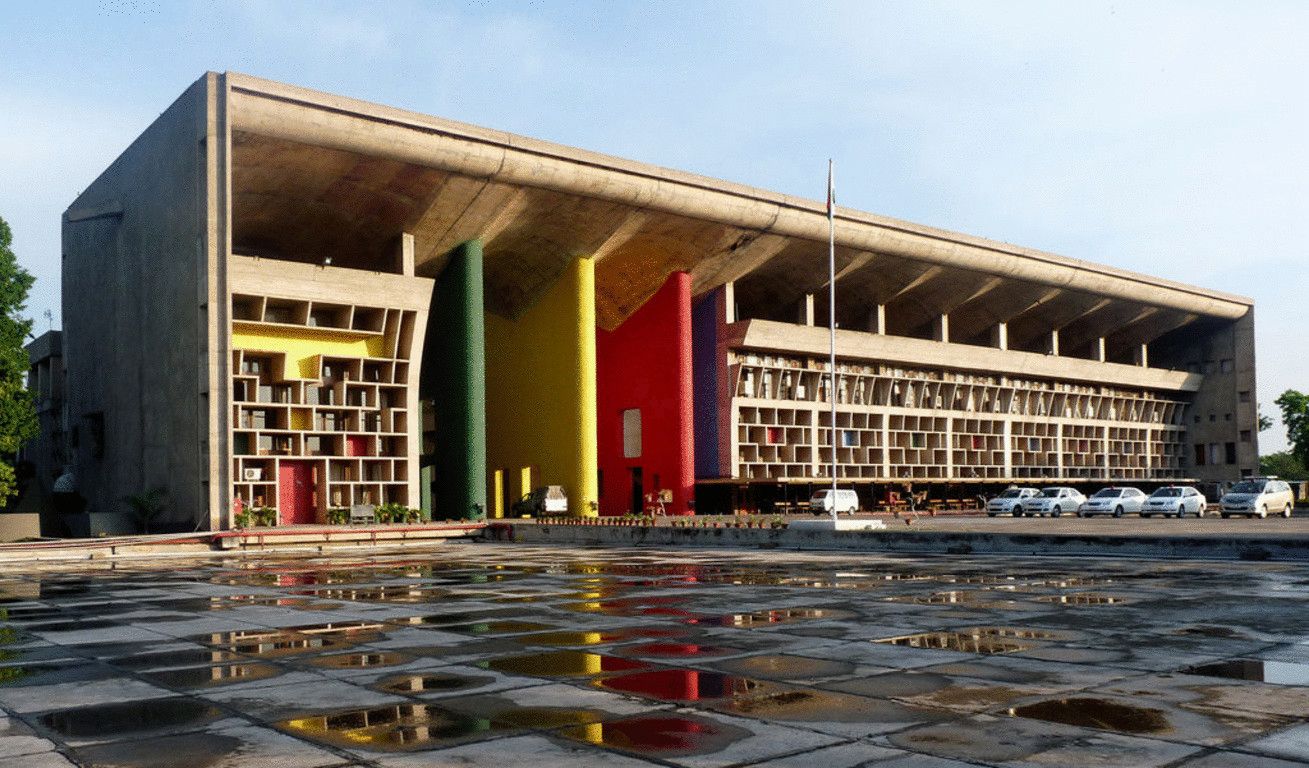
Case Name: Mukesh Kumar and Others v. State of Punjab and Others
Date of Judgment: 07 March 2026
Citation: CWP-3652-2026
Bench: Justice Harpreet Singh Brar
Held: The Punjab & Haryana High Court held that Drivers and Conductors engaged by PUNBUS on contractual basis are entitled to the minimum of the regular pay scale along with Dearness Allowance at par with regular Punjab Roadways employees when they perform identical duties. The Court ruled that mere difference in mode of engagement or nomenclature of establishment cannot defeat the constitutional principle of “equal pay for equal work.”
Summary: The petitioners, who were working as Drivers and Conductors with Punjab State Bus Stand Management Company Limited (PUNBUS), filed a writ petition under Articles 226 and 227 of the Constitution seeking quashing of the speaking orders dated 02.07.2019 and 13.09.2024 rejecting their claim for pay parity with regular employees of Punjab Roadways. They also sought a direction to grant them the minimum of the regular pay scale along with Dearness Allowance and arrears.
The petitioners had initially been engaged through outsourcing from 2010 onwards and later transitioned to contractual engagement in 2015 after undergoing a selection process including written tests, driving or skill tests, verification of qualifications and licences, and medical examination. Their contractual engagement was periodically renewed and they continued to perform operational duties without interruption.
It was argued that the petitioners possessed the same educational qualifications, licences and experience as regular Drivers and Conductors working in Punjab Roadways. The nature of their duties—including operating buses on public routes, handling passengers, ticketing, route management, and complying with operational instructions—was identical to that performed by regular employees. Despite this functional parity, they were paid only a consolidated contractual remuneration which was significantly lower than the regular pay scale.
The petitioners relied on the decision of the Supreme Court in State of Punjab v. Jagjit Singh, which held that temporary or contractual employees performing the same duties as regular employees are entitled to wages at least at the minimum of the regular pay scale.
The respondents opposed the petition contending that PUNBUS and Punjab Roadways were separate establishments with different management structures. It was argued that PUNBUS was a government company incorporated under the Companies Act and had no sanctioned posts or service rules for employees. The petitioners were engaged purely on contractual terms and therefore could not claim parity with regular employees appointed by the State Government under the Punjab Civil Services Rules.
The High Court examined the structural relationship between Punjab Roadways and PUNBUS. The Court noted that Punjab Roadways is a State-run transport undertaking functioning under the administrative control of the Director State Transport, Punjab, while PUNBUS is a government company with 100% State ownership which also functions under the administrative control of the same authority.
The Court observed that the Managing Director of PUNBUS simultaneously holds the office of Director State Transport, Punjab, indicating a unified administrative framework. It was also noted that disciplinary control over PUNBUS employees was exercised by authorities of Punjab Roadways and that buses initially operated under PUNBUS were later transferred to Punjab Roadways after becoming loan-free while being operated by the same staff.
After analysing the evidence, the Court found that the petitioners were performing duties identical in all material respects to those of regular Drivers and Conductors in Punjab Roadways, including identical operational responsibilities, working hours, routes, risk exposure and supervisory control.
The Court rejected the argument that absence of sanctioned posts could defeat the claim of pay parity, observing that the Supreme Court had already clarified in several decisions that temporary or contractual employees performing identical work cannot be denied the minimum of the regular pay scale merely on the basis of their mode of engagement.
It was therefore held that the distinction sought to be drawn between PUNBUS and Punjab Roadways was largely artificial and based on nomenclature rather than real functional separation.
Decision: The High Court allowed the writ petition and set aside the impugned speaking orders rejecting the petitioners’ claim. The respondents were directed to grant the petitioners minimum of the regular pay scale (Basic Pay + Grade Pay) along with Dearness Allowance at par with regular Drivers and Conductors of Punjab Roadways, along with consequential arrears from the relevant date in accordance with law.