Four Years Behind Bars, No Recovery and Weak Digital Evidence, Section 43D(5) UAPA Not an Absolute Bar Where Trial Is Delayed: P&H High Court Grants Bail in Khalistan Referendum Case
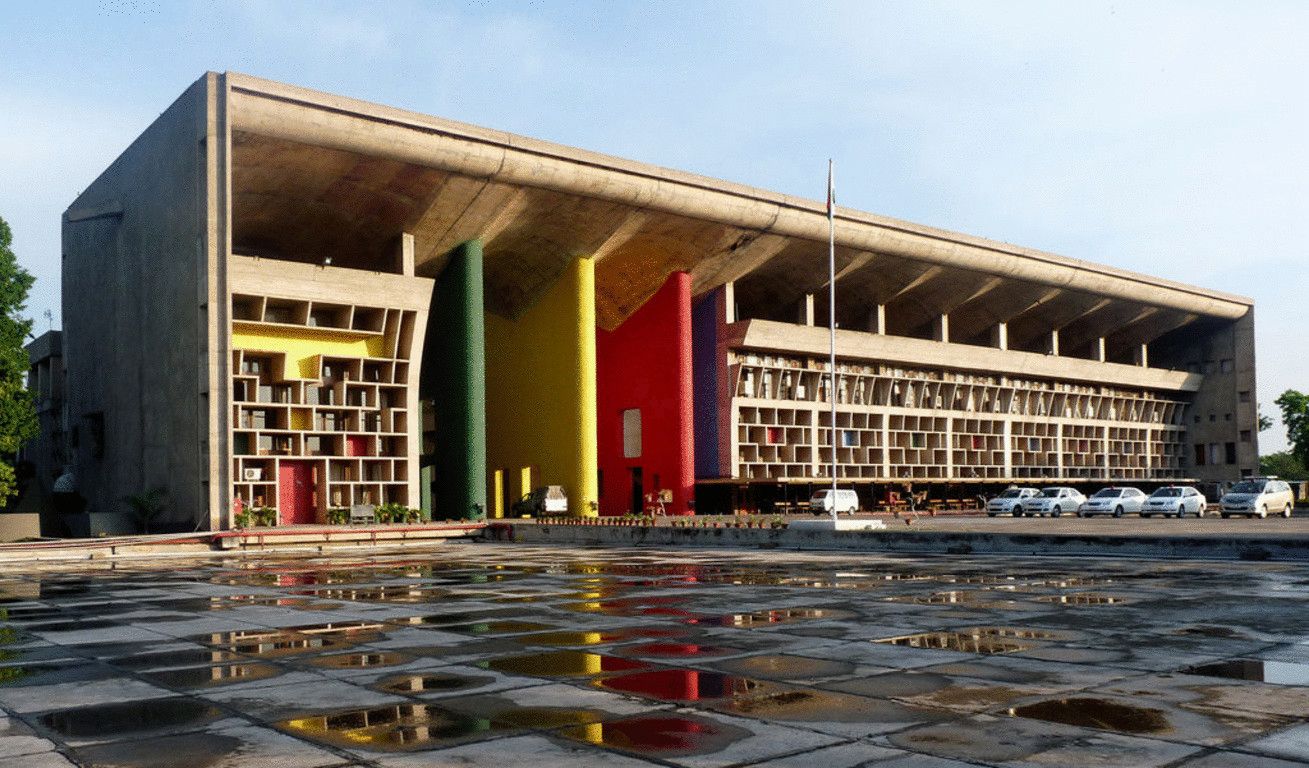
Case Name: Sukhdev Singh @ Rinku v. State of Punjab
Date of Judgment: 29 May 2026
Citation: CRA-D-616-2026
Bench: Justice Anoop Chitkara and Justice Sukhvinder Kaur
Held: The Punjab & Haryana High Court granted regular bail to an accused booked under the IPC and the Unlawful Activities (Prevention) Act, 1967, in connection with the alleged “Punjab Referendum 2020” and pro-Khalistan propaganda campaign. The Court held that prolonged incarceration of nearly four years and eight months, absence of criminal antecedents, lack of recovery from the accused, and the weak nature of evidence against him justified grant of bail notwithstanding the rigours of Section 43D(5) of the UAPA.
Summary: The appellant challenged the order of the Special Court, SAS Nagar, rejecting his regular bail application in a case registered under Sections 124A, 153A, 153B and 120B IPC along with various provisions of the UAPA. The prosecution alleged that several accused persons were involved in a campaign supporting “Punjab Referendum 2020” and propagating pro-Khalistan material through posters, pamphlets, flags and other printed content intended to promote separatist sentiments and undermine national integrity.
According to the prosecution, a large quantity of printed material, flags, posters, printing machinery, electronic devices and other articles were recovered from co-accused Gurwinder Singh. The investigation alleged that the appellant was part of the conspiracy and had participated in the dissemination of the campaign through contacts with other accused persons. The prosecution relied primarily upon disclosure statements, mobile-phone communications, tower-location data and movement of vehicles allegedly used in furtherance of the campaign.
The appellant argued that he had remained in custody for approximately four years and eight months without any criminal antecedents. He further contended that no incriminating material had been recovered from him and that his continued detention violated his fundamental right to a speedy trial under Article 21 of the Constitution. Through counsel, he undertook not to engage in any anti-national activity and expressed willingness to abide by any stringent conditions imposed by the Court.
While examining the record, the High Court noted that the police had recovered no posters, pamphlets or other incriminating material from the appellant’s residence. More importantly, forensic examination of his mobile phone did not yield any incriminating data. The Court observed that the prosecution case against the appellant was largely founded upon disclosure statements made by co-accused persons and information collected during investigation, the admissibility and evidentiary value of which would be tested during trial.
Relying upon the Supreme Court decisions in Union of India v. K.A. Najeeb, Ashim @ Asim Kumar Haranath Bhattacharya v. NIA, Athar Parwez v. Union of India and other precedents, the Court reiterated that constitutional courts retain the power to grant bail in UAPA cases where prolonged incarceration and delay in trial result in infringement of Article 21. It observed that statutory restrictions under Section 43D(5) UAPA cannot be used to indefinitely detain an undertrial when there is no realistic possibility of the trial concluding within a reasonable period.
The Court found that the appellant had already undergone an exceptionally long period of custody, had no criminal history, and that the evidence directly connecting him with the alleged conspiracy was limited. Considering the quality of evidence, the absence of any recovery from him, and the constitutional mandate of protecting personal liberty, the Court concluded that the appellant had overcome the embargo contained in Section 43D(5) UAPA and was entitled to be released on bail.
Decision: Allowing the appeal, the Punjab & Haryana High Court set aside the order of the Special Court rejecting bail and directed the release of the appellant on regular bail subject to stringent conditions. The Court required him to furnish bail bonds, regularly attend trial proceedings, refrain from influencing witnesses, surrender any firearms and licences in his possession, avoid publishing or disseminating material relating to the case, and abstain from any anti-India activities during the pendency of the trial.