Non-Payment of Balance Sale Consideration Does Not Invalidate Registered Sale Deed: Supreme Court Says Remedy Is Recovery of Money, Not Cancellation of Sale
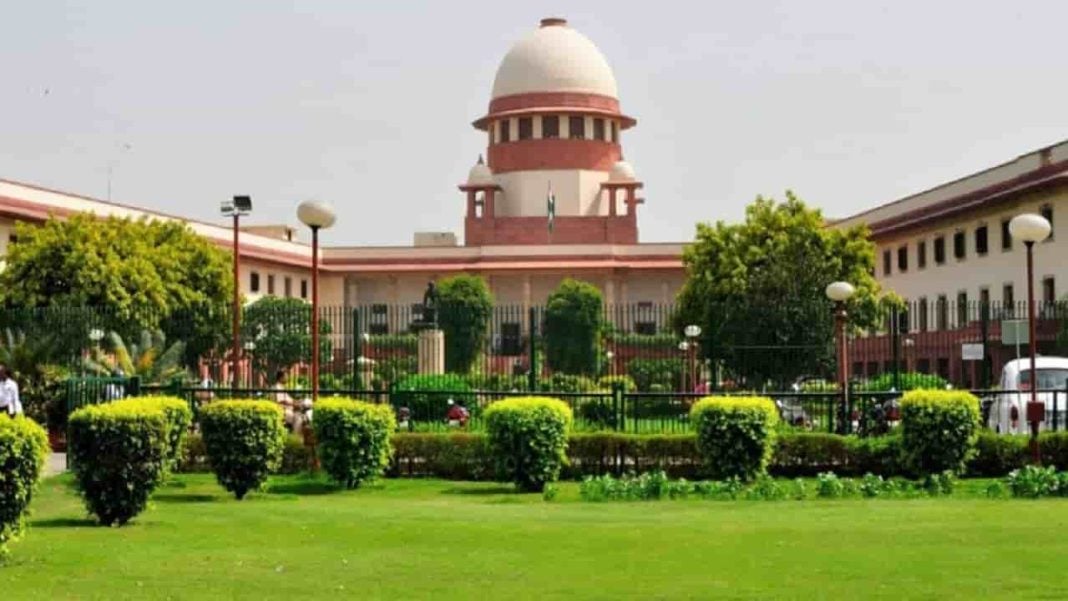
Case Name: Raziya Begum & Ors. v. Nafisa Begum Abdul Hamid & Ors.
Date of Judgment: 7 August 2026
Citation: 2026 INSC 814
Bench: Justice J.B. Pardiwala and Justice K. Vinod Chandran
Held: The Supreme Court held that non-payment of the entire sale consideration does not render a registered sale deed void or inoperative. Under Section 54 of the Transfer of Property Act, 1882, payment of the entire sale price at the time of execution is not essential for completion of a sale. Where the sale deed is executed with the parties’ knowledge that only part consideration has been paid and the remaining consideration is promised to be paid subsequently, title passes to the purchaser. The seller’s remedy for failure to pay the balance consideration is to recover the unpaid amount and not seek cancellation of the sale deed.
Summary: The dispute concerned two sale deeds executed on 10 March 1975. The consideration for each property was ₹7,000, of which ₹2,500 was paid while ₹4,500 was retained by the purchaser for clearing the sellers’ outstanding liabilities. The purchaser subsequently failed to discharge those liabilities, leading the sellers to seek cancellation of the sale deeds and declaration of their ownership.
The Trial Court dismissed the suit, holding that failure to pay the remaining consideration did not provide a ground for cancellation, and the First Appellate Court affirmed that decision. The High Court, however, reversed the concurrent findings and declared the sale deeds inoperative.
The Supreme Court relied upon Vidhyadhar v. Manikrao and Dahiben v. Arvindbhai Kalyanji Bhanusali and reiterated that Section 54 expressly recognises a sale for a price “paid or promised or part-paid and part-promised.” Therefore, actual payment of the whole price is not a sine qua non for completion of a sale. Once the registered sale deed transfers ownership, subsequent non-payment of the promised balance ordinarily gives rise to a monetary claim rather than a right to undo the conveyance.
Applying this principle, the Court held that the sale had become final. The sellers had executed the deeds knowing that part consideration had been paid and the balance was retained for satisfying their liabilities. Consequently, they ought to have pursued recovery of the unpaid balance instead of seeking a declaration that the registered sale deeds were null and void.
Decision: The Supreme Court allowed the appeal, set aside the High Court judgment and restored the Trial Court’s judgment as affirmed by the First Appellate Court. It nevertheless observed that the purchasers/legal heirs would have to pay the balance sale consideration with applicable interest if they sought possession. The Court declined to disturb the sellers’ existing possession of the properties.