Online Gaming With Money Stakes Is Taxable as Betting and Gambling Under GST: Supreme Court Upholds Full-Stake Valuation Rules
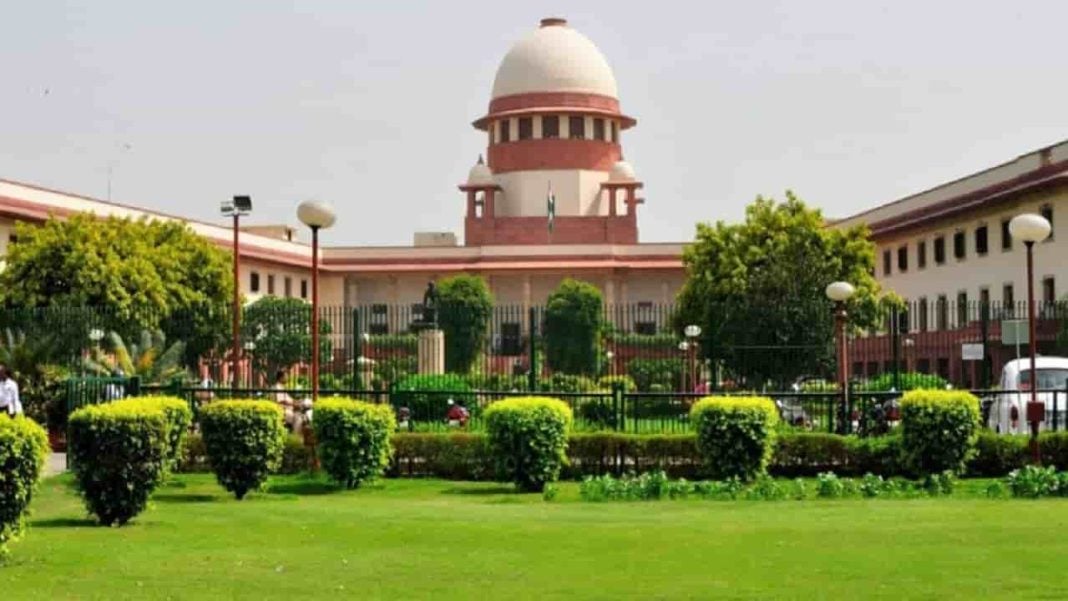
Case Name: Directorate General of Goods and Services Tax Intelligence (HQS) & Ors. v. Gameskraft Technologies Private Limited and Ors. with connected matters
Citation: 2026 INSC 595
Date of Judgment/Order: May 27, 2026
Bench: Justice J.B. Pardiwala and Justice R. Mahadevan
Held: The Supreme Court held that online gaming, fantasy sports, casino gaming and similar organised platforms involving money stakes give rise to taxable actionable claims arising from betting and gambling under the GST framework. The Court clarified that for GST purposes, the decisive feature is not whether the underlying game is one of skill or chance, but whether money or money’s worth is staked on an uncertain outcome. Such actionable claims are “goods” under the CGST Act, and their supply is taxable under Sections 7 and 9 read with Section 15 and the applicable valuation rules. The Court upheld Rules 31A, 31B and 31C as valid machinery provisions and rejected the argument that GST can be levied only on the platform fee, commission, GGR or net retained amount.
Summary: The dispute arose from GST show cause notices and related proceedings against online gaming companies, fantasy sports platforms and casino operators, including Gameskraft, where the Revenue alleged that the assessees had wrongly paid GST only on platform fees or commissions instead of the full value of stakes or bets. The Karnataka High Court had quashed the Gameskraft show cause notices, holding in substance that online rummy was a game of skill and not betting or gambling. Before the Supreme Court, the Revenue argued that once money is staked on an uncertain outcome, the transaction becomes betting and gambling for GST purposes and supplies an actionable claim taxable on full face value. The assessees contended that games of skill remain outside gambling, that platforms merely provide services, and that taxing the entire stake amount was arbitrary and confiscatory. The Supreme Court accepted the Revenue’s core position and held that organised online gaming platforms are not mere intermediaries; they create and operate the ecosystem in which players acquire contingent beneficial interests in prize pools, which are actionable claims. The Court further held that the 2023 GST amendments, including Rules 31B and 31C, are clarificatory and retrospective in the manner indicated in the judgment.
Decision: The Supreme Court rejected the constitutional and statutory challenges to GST on actionable claims arising from betting and gambling transactions and upheld Sections 2(31), 2(52), 7, 9 and 15 of the CGST Act, the corresponding State GST provisions, Rules 31A, 31B and 31C, and related notifications, circulars and executive instruments. The writ petitions and transferred cases were dismissed subject to the observations and directions in the judgment. The Revenue’s appeals against Gameskraft were disposed of by setting aside the Karnataka High Court judgment dated May 11, 2023 and restoring the show cause notices dated September 23, 2022. The assessees were given eight weeks to file replies, and the competent authorities were directed to adjudicate in accordance with law and the findings of the judgment. The Bombay High Court judgment in the Dream11/Fantasy Sports GST matter was also set aside to the extent it held that the transactions fell outside taxable supply under GST. All interim orders stood vacated, pending applications were disposed of, and no order as to costs was passed.