Open Spaces Do Not Automatically Vest in Municipality: Punjab & Haryana HC Restores Society’s Ownership, Draws Adverse Inference for Withheld Records
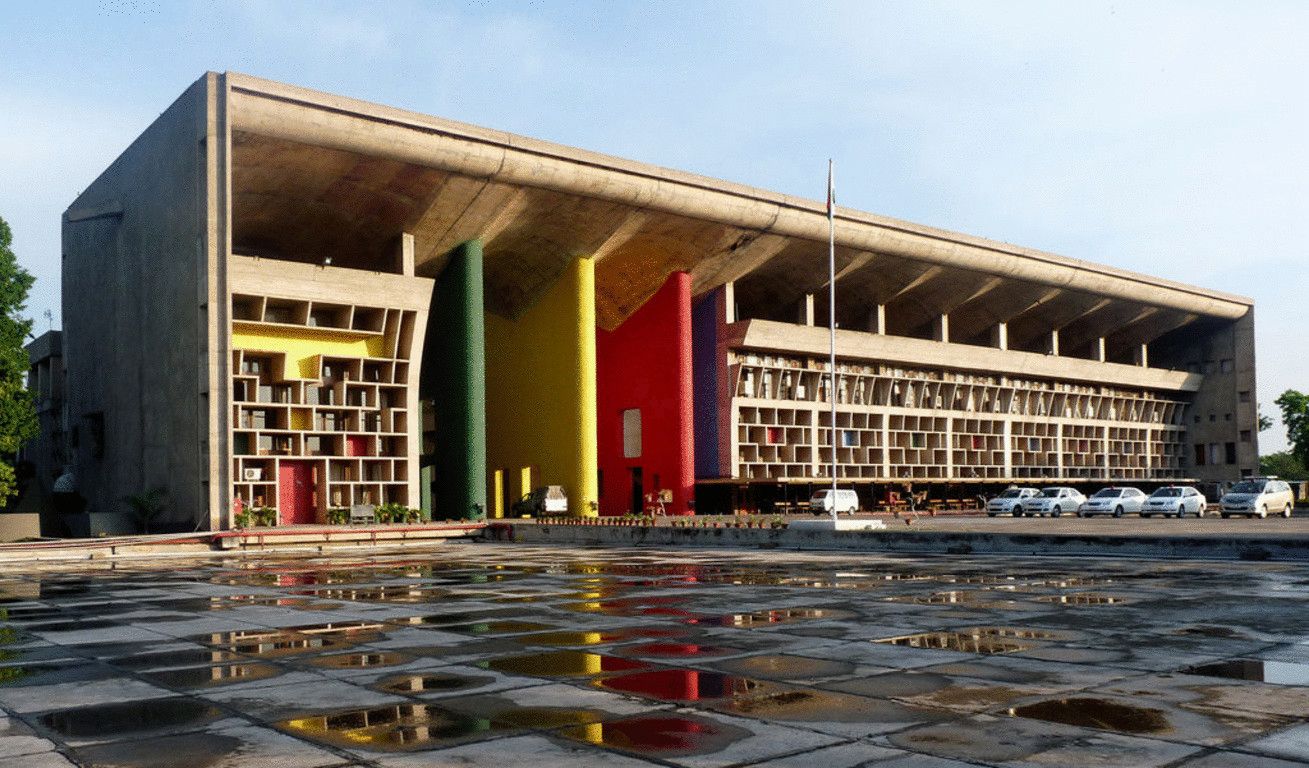
Case Name: The Hisar House Building Co-operative Society Ltd. v. Municipal Committee, Hisar
Date of Judgment: April 30, 2026
Citation: RSA No. 2437 of 1995
Bench: Justice Virinder Aggarwal
Held: The High Court held that ownership of open spaces in a developed colony does not automatically vest in the Municipal Committee in the absence of specific evidence. Failure of the defendant to produce crucial records justified drawing an adverse inference, thereby supporting the plaintiff’s ownership claim.
Summary: The dispute concerned ownership of residual open land in a residential colony developed by the plaintiff-society. The plaintiff had purchased land, developed it into plots, and earmarked certain portions for roads, streets, and parks. The remaining vacant land was claimed to be retained by the society. The Municipal Committee, however, asserted that all open spaces vested in it and had taken possession by fencing the land.
The Trial Court decreed the suit in favour of the plaintiff, holding it to be the owner in possession of the disputed land. However, the First Appellate Court reversed this finding on the ground that the plaintiff failed to prove its title.
Before the High Court, the plaintiff sought to adduce additional evidence, including the sale deed and revenue records. The Court rejected this application under Order XLI Rule 27 CPC, holding that such documents were always within the plaintiff’s knowledge and could have been produced earlier with due diligence.
On merits, the Court clarified that the core issue was limited to ownership of open spaces, as ownership of the colony land and vesting of roads and parks in the Municipal Committee were not in dispute. The Court observed that there was no automatic vesting of all open spaces in the Municipal Committee unless supported by specific statutory provisions, agreements, or resolutions.
Significantly, the Municipal Committee failed to produce the foundational resolution and layout plan, despite being in possession of such records. The Court held that such non-production warranted drawing an adverse inference against the defendant. Mere assertions in pleadings, without supporting evidence, were held insufficient to establish vesting.
The High Court found that the First Appellate Court had misappreciated evidence and reversed well-reasoned findings of the Trial Court on conjectures. It reaffirmed that in absence of evidence showing transfer of ownership, the residual open land continued to vest with the plaintiff-society.
Decision: The appeal was allowed. The judgment of the First Appellate Court was set aside, and the decree of the Trial Court was restored, holding the plaintiff-society to be the owner in possession of the disputed open land. The application for additional evidence was dismissed.