Punjab & Haryana High Court Clarifies That Conspiracy to Facilitate a Court Premises Murder Linked to a Designated Terrorist Attracts UAPA Rigours: Regular Bail Refused Despite Prolonged Custody
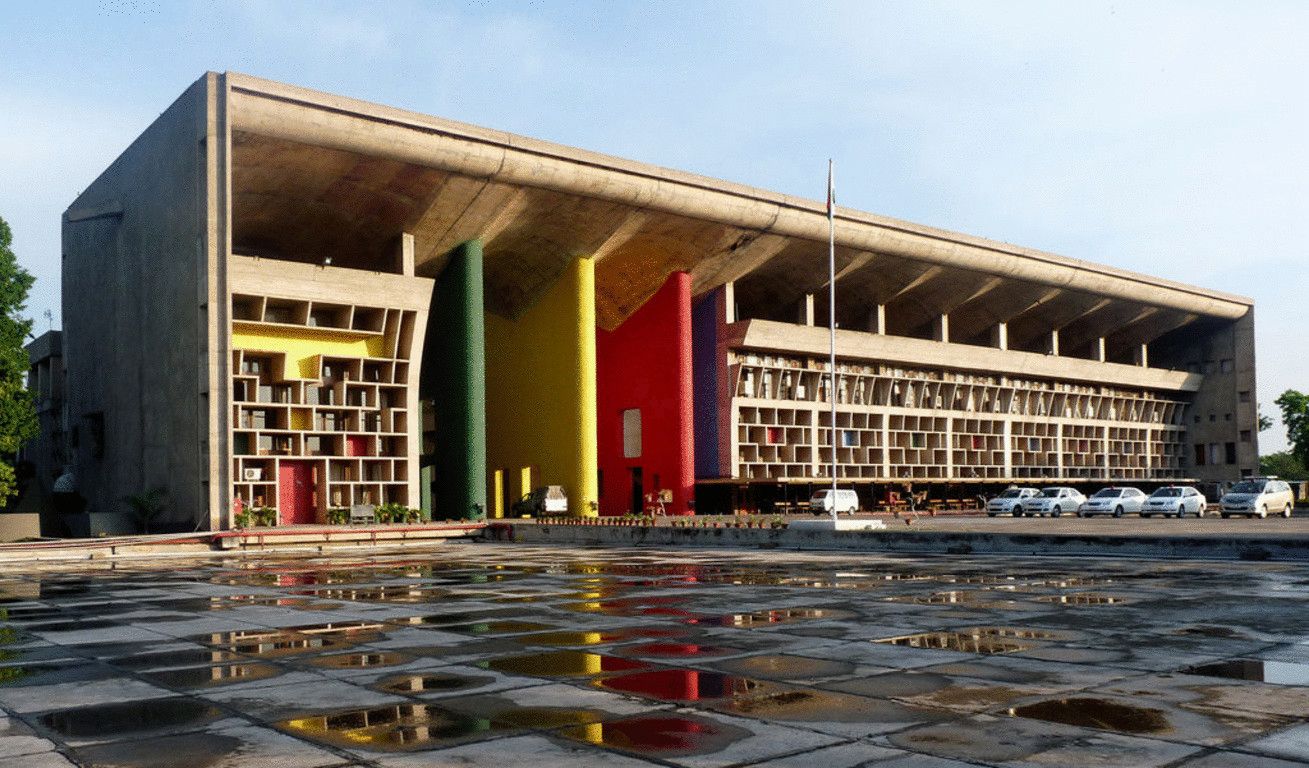
Case Name: Parwinder Singh @ Pindu v. U.T. Chandigarh
Date of Judgment: 10 July 2026
Citation: CRA-D-1020-2024
Bench: Hon’ble Mr. Justice Deepak Sibal and Hon’ble Ms. Justice Lapita Banerji.
Held: The Punjab and Haryana High Court held that where the prosecution places prima facie material showing that an accused allegedly facilitated members associated with a designated terrorist, provided logistical support, received and transferred funds on their behalf, and participated in a conspiracy to execute a murder inside court premises, the statutory embargo contained in Section 43D(5) of the Unlawful Activities (Prevention) Act, 1967 operates against the grant of regular bail. The Court further held that although prolonged incarceration and the right to a speedy trial are significant constitutional considerations, such factors alone cannot justify bail where the prosecution has produced prima facie evidence linking the accused with offences under Chapters IV and VI of the UAPA. The Court also observed that a conspiracy to commit murder within court premises is capable of creating terror among the public and therefore may satisfy the ingredients of a terrorist act under Section 15 of the UAPA at the stage of bail.
Summary: The appeal arose from the rejection of the appellant’s regular bail application by the Special Judge, NIA Court, Chandigarh, in connection with FIR No. 29 of 2024 registered under the Arms Act, IPC and the Unlawful Activities (Prevention) Act. The prosecution alleged that the appellant harboured members of a gang linked to designated terrorist Goldy Brar, transported them, provided shelter, communicated with terrorist associates through electronic platforms, and received money which was subsequently delivered to the co-accused. The prosecution further relied upon bank transaction records, recovery of mobile phones, forensic examination by the Central Forensic Science Laboratory, electronic conversations, CCTV footage and other digital evidence to establish the appellant’s alleged involvement in a larger conspiracy to assassinate gangster Bhupinder @ Bhuppi Rana within court premises. The appellant argued that no incriminating material connected him with a terrorist act, that only two mobile phones had been recovered from him, and that his continued custody of more than two years entitled him to bail under Article 21 of the Constitution, relying upon decisions including Union of India v. K.A. Najeeb, Vernon v. State of Maharashtra, Shoma Kanti Sen, Ashfaq Ansari and Javed Gulam Nabi Shaikh. The High Court rejected these submissions after finding that the investigation had produced substantial prima facie material indicating active assistance to persons allegedly operating under the instructions of designated terrorist Goldy Brar. It held that the alleged conspiracy to commit a murder inside court premises was capable of spreading fear among the public and attracting the statutory definition of a terrorist act under Section 15 of the UAPA. Consequently, the restrictions contained in Section 43D(5) continued to apply and regular bail was declined. The Court clarified that its observations were confined to the bail proceedings and would not influence the merits of the trial.
Decision: The criminal appeal was dismissed. The High Court affirmed the order rejecting regular bail and held that the statutory bar under Section 43D(5) of the UAPA continued to operate because the prosecution had established reasonable grounds to believe that the accusations against the appellant were prima facie true. The observations recorded in the judgment were expressly confined to the adjudication of the bail application and were not to be treated as findings on the merits of the criminal trial.