Punjab & Haryana High Court Rejects Belated Challenge to Clerk Recruitment Result; Holds Fence-Sitters Cannot Claim Benefit of Earlier Judgments
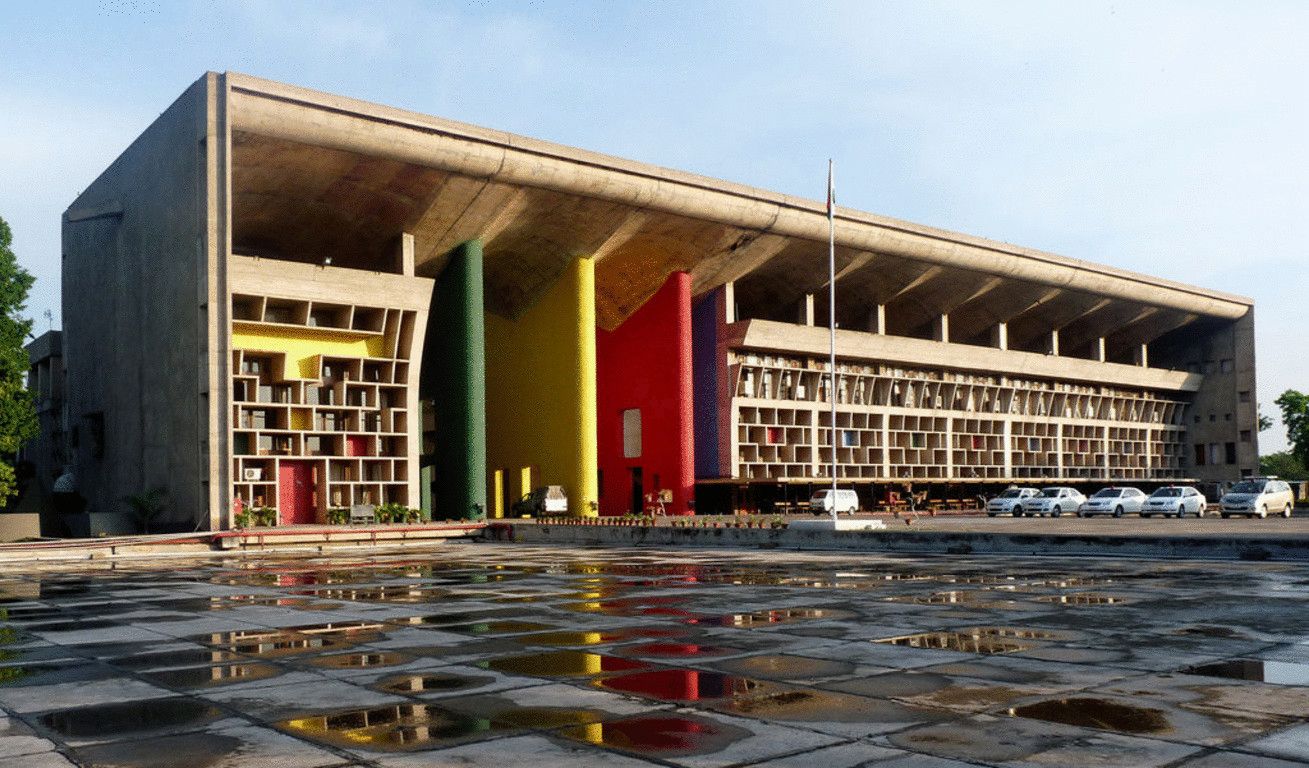
Case Name: Satwinder Singh and Others v. State of Punjab and Others
Date of Judgment: 21 January 2026
Citation: CWP-311-2018
Bench: Hon’ble Mr. Justice Namit Kumar
Held: The Punjab and Haryana High Court dismissed a batch of writ petitions challenging the 2014 recruitment to the post of Clerk conducted by the Subordinate Services Selection Board, Punjab. The Court held that candidates who approached the Court after an unexplained delay of four to five years are fence-sitters and are not entitled to claim parity or extension of benefits granted in earlier judgments which were expressly confined to the petitioners therein. The Court further held that stale claims cannot be revived merely because similarly situated candidates succeeded earlier.
Summary: The petitioners, belonging mainly to the Backward Class category, challenged the final select list dated 26.06.2014 issued pursuant to Advertisement No.02/2013 for recruitment to 1192 posts of Clerks in various departments of the Punjab Government. Their principal grievance was that candidates belonging to reserved categories, who had secured higher marks than the last selected candidate in the General Category, ought to have been adjusted against General Category vacancies in terms of the law laid down in R.K. Sabharwal v. State of Punjab.
It was contended that despite securing higher merit, the petitioners were confined to the Backward Class category, resulting in denial of appointment, whereas similarly situated candidates had obtained relief pursuant to the judgment in Parminder Singh v. State of Punjab. The petitioners sought recasting of the select list and appointment on the basis of combined merit.
The State opposed the petitions, contending that the petitioners had applied under the Backward Class category and were bound by Clause 13(x) of Advertisement No.02/2013, which prohibited change of category after submission of application. It was further submitted that the benefit of the judgment in Parminder Singh was expressly restricted to the petitioners therein and could not be extended to others who approached the Court belatedly. The State also pointed out that the selection process had concluded in 2014 and no vacancies remained.
The High Court noted that similarly situated candidates who approached the Court earlier had been granted relief, but the benefit was consciously confined to those petitioners alone. Relying on State of Uttar Pradesh v. Arvind Kumar Srivastava, Jagdish Lal v. State of Haryana, BSNL v. Ghanshyam Dass and Union of India v. C. Girija, the Court reiterated that the principle of parity does not apply to litigants who sleep over their rights and wake up only after others succeed. The Court held that delay and laches disentitle such candidates from invoking writ jurisdiction, especially where appointments had long been finalised.
Decision: All the writ petitions were dismissed. The Punjab and Haryana High Court held that the petitioners, having approached the Court after an inordinate and unexplained delay, were not entitled to any relief.