No Re-Evaluation in ADJ Recruitment: Punjab & Haryana High Court Dismisses Pleas Alleging ‘Cuttings’ in Answer Sheets
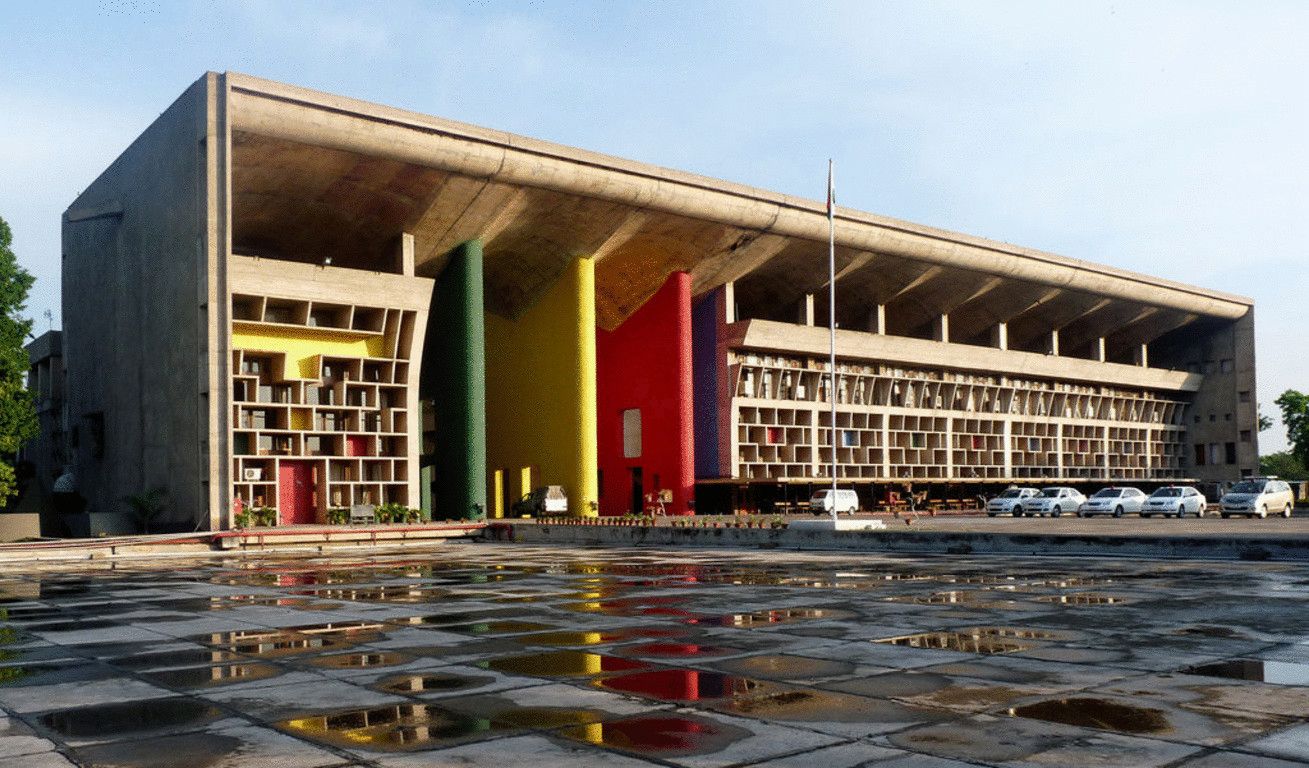
Case Name: Puneet Aggarwal v. Punjab and Haryana High Court and Others; Harvinder Singh Johal v. Punjab and Haryana High Court and Others
Date of Judgment: 17 February 2026
Citation: CWP-29498-2024 & CWP-3255-2025
Bench: Hon’ble Mr. Justice Sheel Nagu, Chief Justice and Hon’ble Mr. Justice Sanjiv Berry
Held: The Punjab and Haryana High Court held that in the absence of any statutory provision permitting re-evaluation, and in view of a specific clause in the recruitment notification prohibiting re-evaluation, no writ can be issued directing re-evaluation of answer sheets. Mere corrections or rectifications in awarded marks during the evaluation process, duly initialed by examiners, do not amount to tampering and cannot be a ground for judicial interference under Articles 226/227 of the Constitution.
Summary: The petitioners invoked Articles 226 and 227 of the Constitution seeking quashing of the action of the respondent-High Court in not considering their candidature for the post of Additional District Judge pursuant to notifications dated 14.11.2023 and 15.11.2023 for Punjab and Haryana Superior Judicial Service, 2023–24 .
Petitioner No.1 (Puneet Aggarwal) was declared unsuccessful in the written examination for Haryana Superior Judicial Service. Petitioner No.2 (Harvinder Singh Johal), though successful in the written examinations for both Punjab and Haryana, failed to secure the required 50% aggregate after viva voce, falling short by 14 and 9 marks respectively .
Petitioner No.2, after obtaining copies of answer sheets under RTI, alleged “rampant cuttings” in the marks awarded in various papers and sought re-evaluation. He contended that he had topped the Delhi Higher Judicial Service Examination 2023 and had secured high marks in the written examination here as well, and that such cuttings adversely affected his result .
The High Court examined Clause 12.18 of the recruitment notifications, which categorically provides that “Re-evaluation of answer sheets is not allowed” and only limited re-checking for totaling errors or unevaluated portions is permissible on payment of prescribed fee . Admittedly, neither petitioner sought re-checking in accordance with the prescribed procedure.
The Recruitment Committee had rejected petitioner No.2’s representation, observing that the alleged cuttings were in fact corrections/rectifications made by evaluators during the evaluation process, duly initialed, and that there was no cutting or overwriting on the title page of the answer sheets. It was further observed that nothing indicated any change of marks to the disadvantage of the candidate .
The Court noted that evaluation was conducted by “table marking”, wherein one particular question was assigned to one evaluator for all candidates, under the direct supervision of a senior academician of the rank of Vice-Chancellor of a National Law School. This ensured uniformity and application of a common yardstick to all candidates .
Upon perusal of the answer sheets, the Court found that the alleged cuttings were part of the routine evaluation process and bore the initials/signatures of the respective examiners. There was no cutting on the title page. The corrections were held to be bona fide rectifications during evaluation and not post-evaluation tampering .
Relying on settled precedents including Ran Vijay Singh v. State of U.P. and Vikesh Kumar Gupta v. State of Rajasthan, the Court reiterated that re-evaluation is impermissible in the absence of a statutory provision and that courts must not assume the role of super-examiner in academic matters. The limited scope of judicial review in recruitment examinations was emphasized .
Distinguishing the judgments relied upon by the petitioners, including Pranav Verma and Rustam Garg, the Court held that those cases turned on different factual contexts and did not warrant re-evaluation in the present case .
In view of the explicit bar on re-evaluation and absence of any demonstrated material error, the Court found no infirmity in the selection process.
Decision: Both writ petitions were dismissed.