Can a Woman Be Denied Maintenance Under Section 125 CrPC If Her Earlier Marriage Was Subsisting? Punjab & Haryana High Court Examines Meaning of ‘Wife’; Subsistence of First Marriage No Automatic Bar to Maintenance from Second Husband
Case Name: Jagga Ram v. Neelam Rani and Another
Date of Judgment: 06 August 2026
Citation: CRR(F) No. 476 of 2026
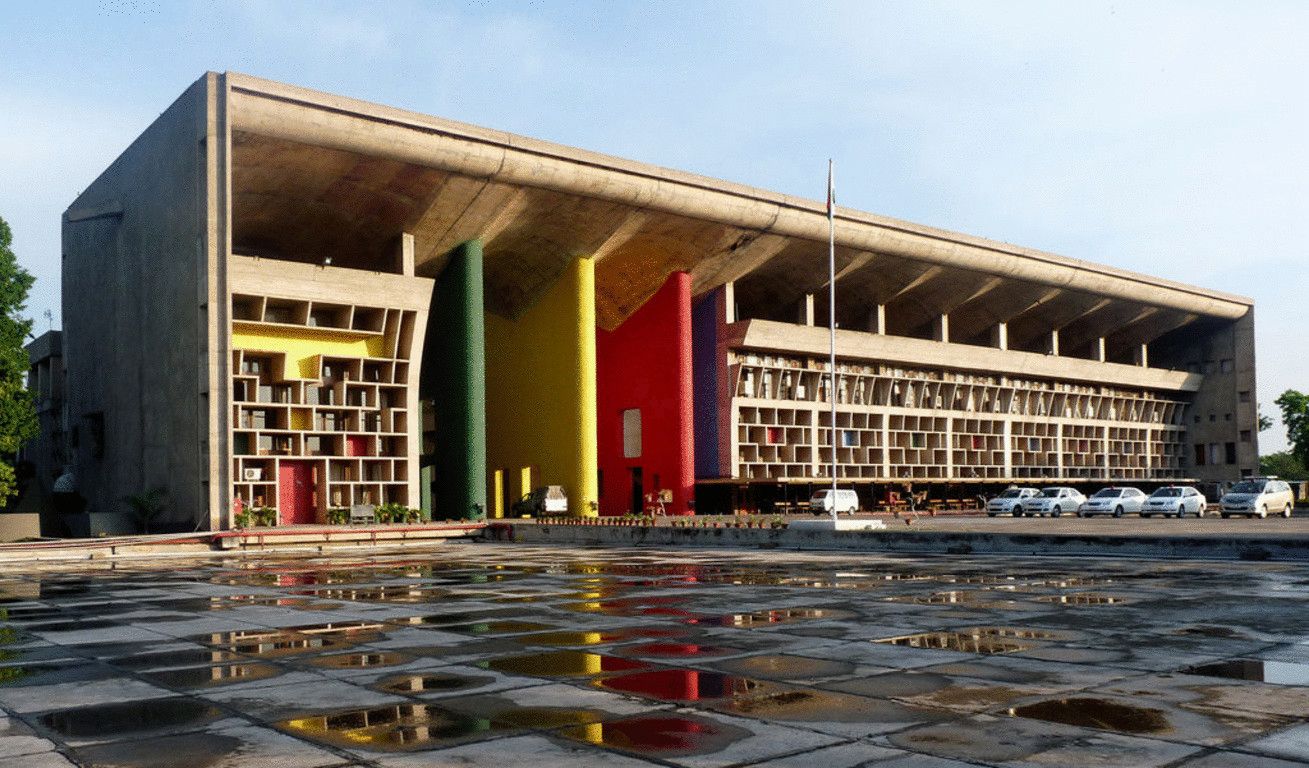
Court: High Court of Punjab and Haryana at Chandigarh
Bench: Hon’ble Ms. Justice Mandeep Pannu
Held: The Punjab and Haryana High Court held that the mere subsistence of a woman’s earlier marriage cannot, by itself, be treated as sufficient to deny her maintenance under Section 125 CrPC from a man with whom she subsequently lived as husband and wife for a considerable period, particularly when a child was born from their relationship. Relying upon the Supreme Court’s decision in Smt. N. Usha Rani v. Moodududla Srinivas, 2025 SCC OnLine SC 225, the Court held that the objection regarding the validity of the subsequent marriage must be considered in light of the beneficial and social-justice object of Section 125 CrPC rather than through a purely technical approach to marital validity. The Court further held that Savitaben Somabhai Bhatiya v. State of Gujarat, (2005) 3 SCC 636 cannot be mechanically applied in every case involving a subsisting earlier marriage.
The High Court also held that dismissal of an earlier maintenance petition for default does not bar a subsequent maintenance claim because dismissal for non-prosecution is fundamentally different from adjudication on merits. Likewise, the mere fact that a wife is educated or had previously worked as a teacher is not sufficient to deny maintenance; her entitlement must be assessed on the basis of her actual means and circumstances and the statutory requirements governing maintenance.
Summary: The case arose from a criminal revision petition filed by the husband challenging the judgment of the Principal Judge, Family Court, Fatehabad, whereby maintenance was awarded under Section 125 CrPC to the respondent-wife and their minor son. The parties were stated to have married on 12 December 2015 according to Hindu rites and ceremonies, and a son, Manpreet, was born from the relationship. The wife alleged cruelty, harassment and dowry demands and claimed that despite having sufficient means, the husband neglected and refused to maintain her and the child.
The husband principally resisted the maintenance claim by asserting that the wife’s earlier marriage was still subsisting when she purportedly married him and, consequently, their marriage was void ab initio. He contended that she could therefore not qualify as a “wife” for the purposes of Section 125 CrPC. He also pointed out that proceedings under Section 11 of the Hindu Marriage Act, 1955 seeking nullity of their marriage were pending. Additionally, he argued that the wife had concealed an earlier maintenance proceeding that had been dismissed in default and that she was educated, had worked as a private-school teacher and was capable of maintaining herself.
The principal legal issue before the High Court was whether maintenance could be denied merely because the alleged marriage with the petitioner had taken place while the woman’s earlier marriage was subsisting. The Court considered this issue against the significant factual backdrop that the parties had lived together as husband and wife for a considerable period and a child had been born from their relationship.
The Court examined the Supreme Court authorities dealing with the meaning of “wife” under Section 125 CrPC. While acknowledging Savitaben Somabhai Bhatiya, it noted the subsequent development of the law, particularly Smt. N. Usha Rani v. Moodududla Srinivas. The High Court observed that the Supreme Court had considered the divergence in judicial opinion concerning maintenance where parties had lived together as husband and wife despite questions regarding the legal validity of their marriage. It also referred to Chanmuniya v. Virendra Kumar Singh Kushwaha, (2011) 1 SCC 141, wherein the expression “wife” was viewed in the context of the social purpose underlying Section 125 CrPC and the need to prevent a man from enjoying the benefits of a de facto marital relationship while escaping its corresponding obligations through legal loopholes.
Of particular significance, the Court noted that Usha Rani had considered the earlier strict line of authorities, including Yamunabai Anantrao Adhav v. Anantrao Shivram Adhav, Bakulabai v. Gangaram and Savitaben. The Supreme Court had held in Usha Rani, on the facts before it, that maintenance could be claimed from a second husband despite the absence of a decree dissolving the first marriage where the woman was de facto separated from her first husband, was deriving no rights or entitlements from that marriage, and the second husband knew the circumstances yet entered into the relationship. The High Court therefore rejected the proposition that Savitaben automatically defeats every maintenance claim whenever an earlier marriage technically subsists.
Applying this approach, the High Court found that the parties had lived together for a considerable period as husband and wife and had a child from their relationship. It held that the alleged subsistence of the wife’s previous marriage, standing alone, could not non-suit her under Section 125 CrPC; the surrounding circumstances and the nature and duration of the relationship were also material.
The Court separately rejected the husband’s procedural objection based on the dismissal in default of the wife’s earlier maintenance petition. Since there had been no adjudication of her substantive entitlement on merits, dismissal for non-prosecution could not operate as a bar to the subsequent proceedings.
The contention concerning the wife’s education and prior employment as a teacher was similarly rejected. The Court clarified that education or the fact that a woman had worked in the past does not automatically establish financial self-sufficiency. Maintenance has to be determined from evidence regarding the parties’ actual means and circumstances. The Court further emphasised the limited scope of revisional jurisdiction: interference is warranted where the challenged order suffers from patent illegality, perversity, gross misappreciation of evidence or material irregularity resulting in failure of justice, none of which was established in the present case.
Decision: The Punjab and Haryana High Court dismissed the husband’s criminal revision petition and refused to interfere with the Family Court’s order granting maintenance. The Court held that Section 125 CrPC is a measure of social justice and its operation cannot be defeated merely by technical objections concerning marital status where the factual circumstances otherwise justify maintenance. Finding no illegality, perversity or material irregularity in the Family Court’s judgment, the High Court directed that the maintenance awarded by the Family Court would remain undisturbed.