Courts Cannot Render Police Custody Illusory With Unworkable Conditions: Supreme Court Clarifies Section 187 BNSS, Lawyer Presence and Videography During Interrogation
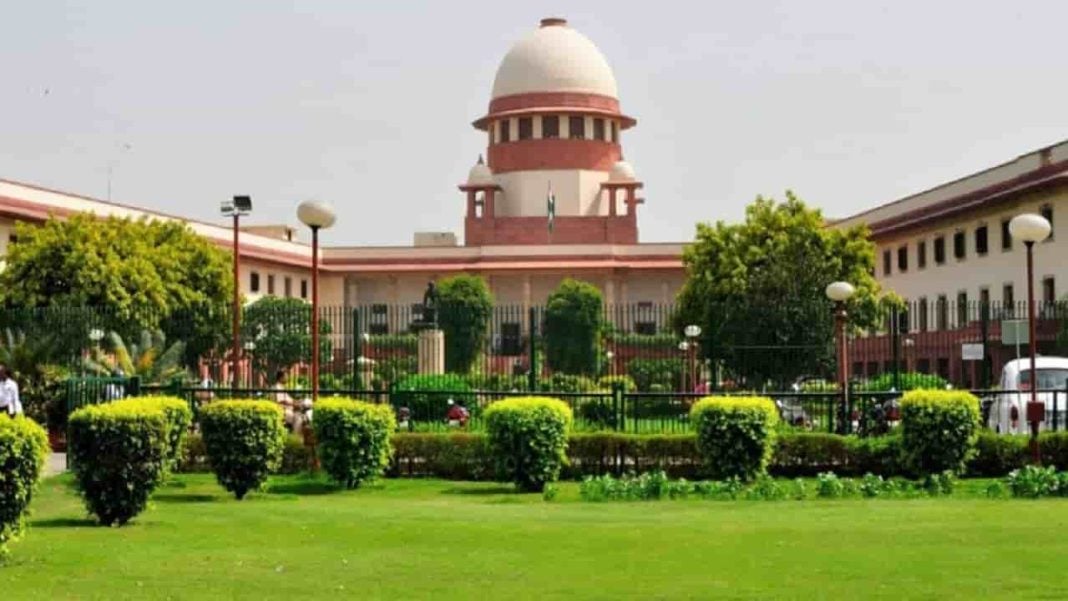
Case Name: State of Andhra Pradesh v. Suda Suresh Veera Venkata Naga Raju
Date of Judgment: 27 July 2026
Citation: 2026 INSC 744
Bench: Justice Vikram Nath and Justice Sandeep Mehta
Held: The Supreme Court held that conditions imposed while granting police custody must safeguard the accused’s life, dignity and protection against coercion under Article 21, but cannot be so rigid or impractical that they frustrate effective custodial investigation. Section 187(2) and (3) BNSS permits police custody, not exceeding fifteen days in aggregate, to be taken in parts during the first forty or sixty days of the permissible detention period, and a court cannot impose an absolute non-extendable deadline that prematurely closes this statutory window. The Court further clarified that Section 38 BNSS gives an arrested person the right to meet an advocate during interrogation, but not throughout the interrogation as an unqualified statutory right; CCTV/audio-visual recording of actual interrogation and discovery or recovery proceedings is a valid safeguard, but uninterrupted videography of every moment of transit is unnecessary and unworkable.
Summary: The case arose from an investigation into the alleged custodial death of Gade Sai Krishna, in which the respondent, a Police Inspector, was accused. The prosecution alleged that the deceased had been brought to Krishna Lanka Police Station on 6 May 2026, was never produced before a Magistrate, had been seen with visible injuries and subsequently disappeared. The investigation also revealed that CCTV footage for the crucial period was unavailable. A Special Investigation Team was constituted, and after arresting the respondent, it sought police custody for interrogation, recovery of evidence, identification of co-accused and reconstruction of the crime scene.
The Magistrate granted eight days’ police custody but imposed extensive safeguards, including interrogation inside Central Prison, presence of an advocate within sight, continuous audio-visual recording, CCTV preservation and restrictions against coercion or third-degree methods. The High Court modified some conditions but substantially retained the protective regime, including videography of the accused’s movement between the prison and Vijayawada. The State challenged these restrictions as making police custody practically ineffective.
The Supreme Court agreed that Article 21 protections remain inherent irrespective of any specific judicial condition, and the SIT remained responsible for ensuring that the accused was not subjected to threat, inducement, coercion, assault or third-degree methods. However, it found the jail-only interrogation condition unjustified because the alleged offence occurred around Krishna Lanka Police Station, the body remained untraced, CCTV hard disks were yet to be recovered and potential discoveries under Section 23 of the Bharatiya Sakshya Adhiniyam required the investigating agency to take the accused to relevant locations.
The Court also gave an important interpretation of the new BNSS regime. Unlike the earlier Section 167 CrPC framework, Section 187 BNSS allows the aggregate fifteen days of police custody to be sought in parts during the first forty or sixty days, depending upon the applicable detention period. Similarly, while videography of actual interrogation and recovery proceedings promotes accountability and protects both the accused and investigating officers, requiring uninterrupted recording during long road journeys was considered impractical.
Decision: The Supreme Court allowed the State’s appeal and substantially modified the police-remand conditions. It granted seven days’ police custody, subject to the aggregate statutory limit of fifteen days; permitted interrogation at the SIT’s designated interrogation centre or another secure police facility in Vijayawada; retained CCTV/audio-visual recording of actual interrogation and discovery or recovery proceedings but dispensed with uninterrupted videography of transit; permitted the lawyer to remain within sight without interfering in the investigation; prohibited coercion and third-degree methods; and made the investigating and custodial officers jointly responsible for the accused’s safety and physical well-being.