Section 244 CrPC evidence before committal is not required when the complaint case is exclusively triable by the Sessions Court
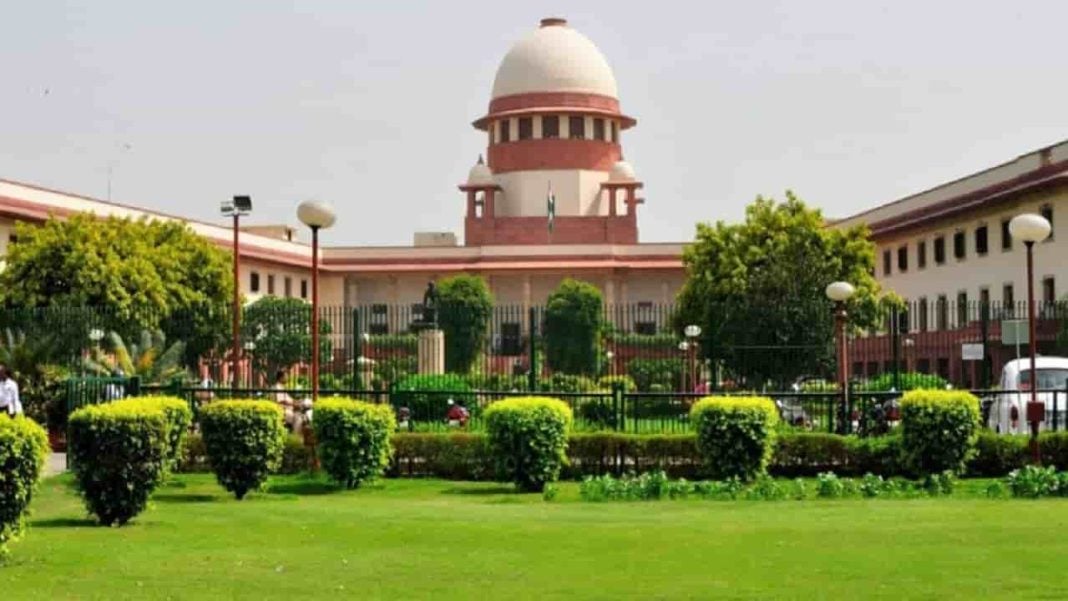
Case Name: Neeraj Gupta v. Pardeep Kumar Bansal & Ors.
Citation: 2026 INSC 660
Date of Judgment/Order: 1 July 2026
Bench: Sanjay Karol, J. and Nongmeikapam Kotiswar Singh, J.
Held: The Supreme Court held that in a complaint case involving offences exclusively triable by the Court of Session, the Magistrate is not required to record prosecution evidence under Section 244 CrPC before committing the case under Section 209 CrPC. The Court clarified that the Magistrate’s role at the committal stage is limited and administrative in nature, confined to verifying whether the offence is exclusively triable by the Sessions Court and ensuring statutory compliance. The High Court therefore erred in directing remand to the Magistrate for recording evidence under Section 244 CrPC.
Summary: The case arose from an altercation in April 2007 in which the complainant’s father fell unconscious and was later declared dead, but no FIR was initially registered. The complainant moved the Magistrate under Section 156(3) CrPC, after which proceedings under Section 200 CrPC were initiated, evidence was recorded, summoning orders were passed, and the matter was committed to the Sessions Court. The Sessions Court framed charges only against one accused and discharged the other two, leading to criminal revisions before the Punjab and Haryana High Court. The High Court remanded the matter to the Magistrate, holding that pre-charge evidence under Section 244 CrPC was required even in a complaint case triable by the Sessions Court. The Supreme Court rejected this view, holding that Section 244 CrPC applies to warrant cases triable by Magistrates and cannot be imported into the committal process for offences exclusively triable by the Court of Session.
Decision: The Supreme Court allowed the appeal and set aside the High Court’s judgment remanding the matter to the Magistrate for compliance with Section 244 CrPC. The Court directed the High Court to hear afresh both the complainant’s petition challenging discharge of two accused and the petition filed by the charged accused challenging the summoning and charge orders. Since charges had been framed as far back as 2011, the Supreme Court requested the High Court to decide both petitions expeditiously and not later than nine months. The parties were directed to appear before the High Court on 16 July 2026, and pending applications were disposed of.