Selection Committee Can Leave Reserved Teaching Post Vacant if No Candidate is Found Suitable Despite Qualifying Written Examination: Punjab & Haryana High Court
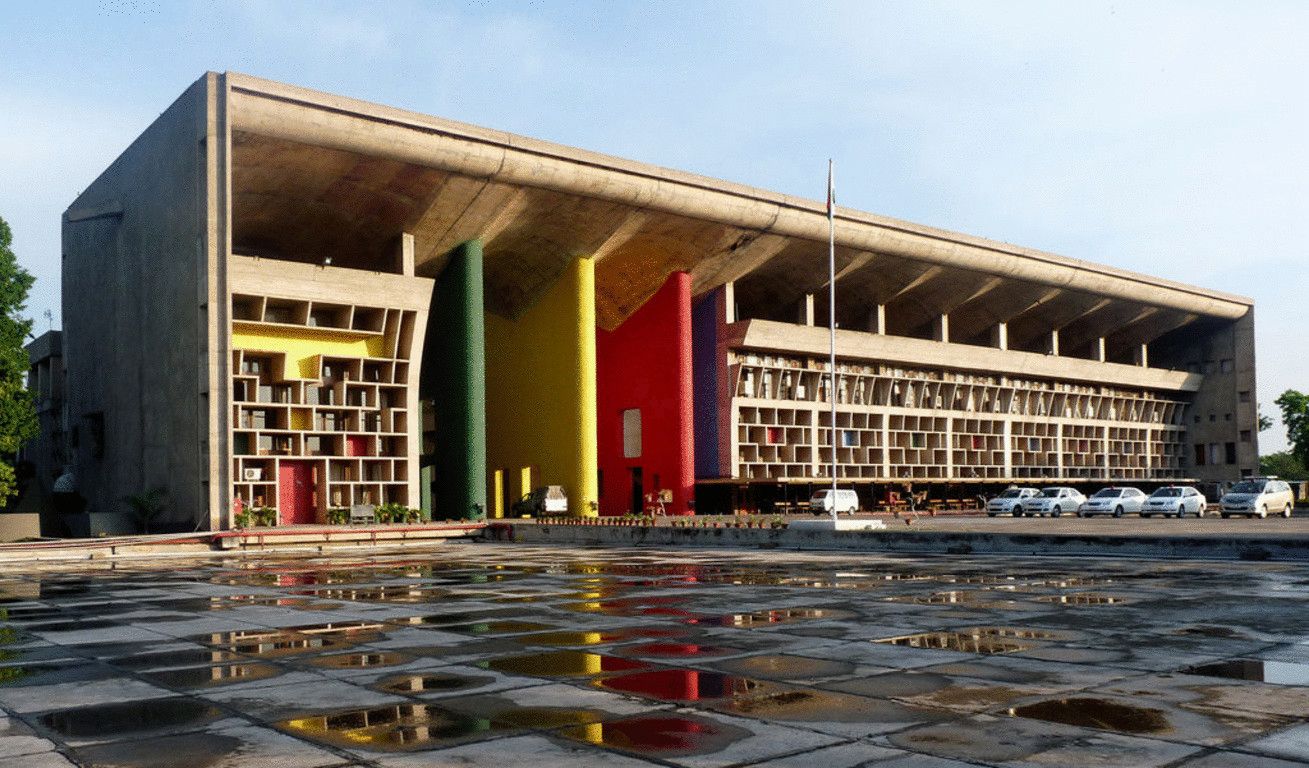
Case Name: Anu Chohla v. J.C. Bose University of Science & Technology and Another
Date of Judgment: 27 May 2026
Citation: CWP-12045 of 2021
Bench: Justice Namit Kumar
Held: The High Court held that merely securing the highest marks among shortlisted candidates or qualifying the written examination does not create an indefeasible right to appointment. The Selection Committee, being an expert body, is competent to assess overall suitability during the interview and may legitimately decide not to recommend any candidate if none is found suitable. Judicial review is confined to examining the decision-making process and not the merits of the Selection Committee’s assessment unless mala fides, arbitrariness, or procedural illegality are established.
Summary: The petitioner challenged the action of the Selection Committee in not recommending her appointment to the post of Assistant Professor (Mathematics) under the Scheduled Caste category in J.C. Bose University of Science and Technology. She contended that she fulfilled the eligibility criteria, secured the highest marks among the shortlisted SC candidates, and therefore ought to have been selected.
The University argued that appointment is governed by its statutory regulations and that the Selection Committee is empowered to assess a candidate’s overall suitability, including interview performance. The Committee found no candidate suitable for the reserved post and consequently left it vacant.
The High Court observed that selection and appointment are distinct stages. Performance in the written examination is only one component of evaluation, while the interview enables the expert committee to assess teaching aptitude, subject knowledge, personality, communication skills, and overall suitability. The Court reiterated that it cannot substitute its own assessment for that of an expert selection body.
Relying upon settled principles governing judicial review in service matters, the Court held that unless the selection process suffers from mala fides, arbitrariness, bias, or violation of statutory provisions, the Court will not interfere with the assessment made by the Selection Committee. Since no such infirmity was established, the writ petition was dismissed.
Decision: The writ petition was dismissed. The High Court upheld the Selection Committee’s decision not to recommend the petitioner and held that the University was justified in leaving the reserved post vacant after finding no suitable candidate.