Stem Cell Therapy for Autism Cannot Be Offered as Routine Clinical Service: Supreme Court Holds It Is Impermissible Outside Approved Research Framework
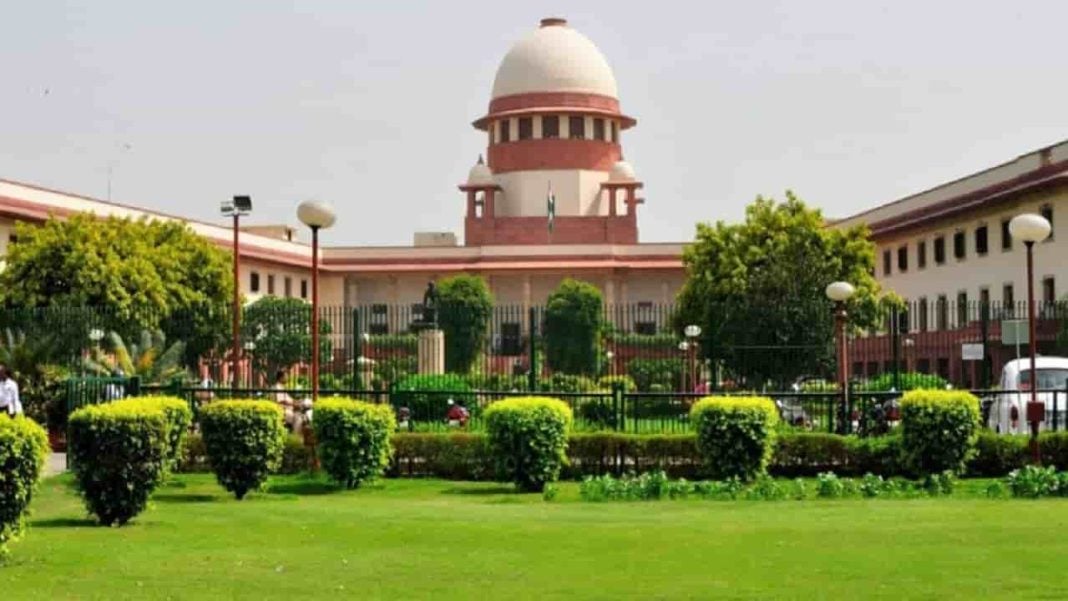
Case Name: Yash Charitable Trust & Ors. v. Union of India & Ors.
Citation: 2026 INSC 96
Date of Judgment/Order: 30 January 2026
Bench: Justice J.B. Pardiwala and Justice R. Mahadevan
Held: The Supreme Court held that stem cell therapy for Autism Spectrum Disorder (ASD) cannot be offered as a routine clinical or commercial healthcare service in India in the absence of credible scientific evidence establishing its safety and efficacy. Relying upon the standard of care jurisprudence developed in Jacob Mathew, V.P. Shantha, Kusum Sharma and M.A. Biviji, the Court ruled that a medical practitioner cannot administer an intervention that lacks authoritative professional endorsement or is expressly characterised as unproven and not recommended by competent regulatory bodies. The recommendations dated 06.12.2022 of the Ethics and Medical Registration Board (EMRB), duly approved by the National Medical Commission, categorically state that stem cell therapy is not recommended for ASD and that its use, promotion, or advertisement amounts to professional misconduct. The Court held that such therapy may only be undertaken within a duly sanctioned research or clinical trial framework compliant with the applicable statutory regime, and not as a standard treatment service.
Summary: The writ petition, filed as a Public Interest Litigation, raised concerns regarding the rampant promotion and administration of stem cell “therapy” for ASD by various clinics across India, allegedly in violation of the Drugs and Cosmetics Act, 1940, the New Drugs and Clinical Trial Rules, 2019, and the National Guidelines for Stem Cell Research, 2017. The petitioners contended that stem cell therapy for ASD remains experimental, lacks robust scientific validation, and is being commercially exploited, thereby exposing vulnerable patients and their families to unregulated interventions. The Union of India and regulatory authorities clarified the distinction between “stem cell derived products” falling within the statutory framework and certain autologous procedures claimed to be outside it, while the National Medical Commission relied upon expert recommendations declaring such therapy not recommended and ethically impermissible in routine practice. The respondent clinics and parent associations invoked patient autonomy under Article 21 and contended that autologous procedures did not amount to “drugs.” The Court examined the standard of care expected of medical practitioners, the Bolam test as adopted in Indian jurisprudence, and the authoritative conclusions of the EMRB, ICMR and allied bodies, which uniformly found insufficient scientific evidence supporting stem cell therapy for ASD. The Court emphasised that patient autonomy cannot legitimise administration of speculative or unproven medical interventions outside a structured research framework.
Decision: The Supreme Court held that stem cell therapy for ASD cannot be offered as a routine clinical or commercial service and clarified that such interventions may only be administered within an approved research or clinical trial setting in compliance with the applicable regulatory framework. The writ petition was disposed of with appropriate directions reinforcing adherence to statutory and ethical norms governing stem cell research and medical practice.